


A history of the humble pasty
Today’s pasty remains similar to the 13th century pasty; However, in their early days, pasties were enjoyed only by the upper classes and royalty, with varied fillings such as venison, beef, lamb and seafood, flavoured with rich gravies and fruits. It wasn’t until the 1700s that pasties became popular among working class families in Cornwall. Five centuries on, the fillings changed from decadent to simple—potato, swede and onion, and occasionally cheap meats in a short-crust pastry.
Pasties were adopted into the diet of miners and farm workers in Cornwall, as a means of having an easy all-in-one meal for their crib breaks while they worked. Pasties could be taken down the mines and eaten without cutlery, the crust (or “crimp”) serving as a handle, so that miners could hold a pasty with dirty hands without contaminating their meal. The crimp was not only functional but essential, with many miners across Cornwall tinning for arsenic—a highly toxic, naturally occurring element used as a pesticide until the early 1870s. Some mine shafts even had stoves dedicated to cooking the raw pasties; However, a stove wasn’t necessary to have a hot meal, with pasty fillings keeping warm for up to 10 hours! The pasties would be home-made, sometimes with a sweet filling at one end to be enjoyed as dessert, known as “tinners” pasties. It’s believed that a pasty’s crust would be marked with the husband’s initials to tell his pasty apart from other workers’, with the crust then being left out for the “knockers”—mischievous sprites who wreaked havoc in the mine shafts unless bribed with small amounts of food!
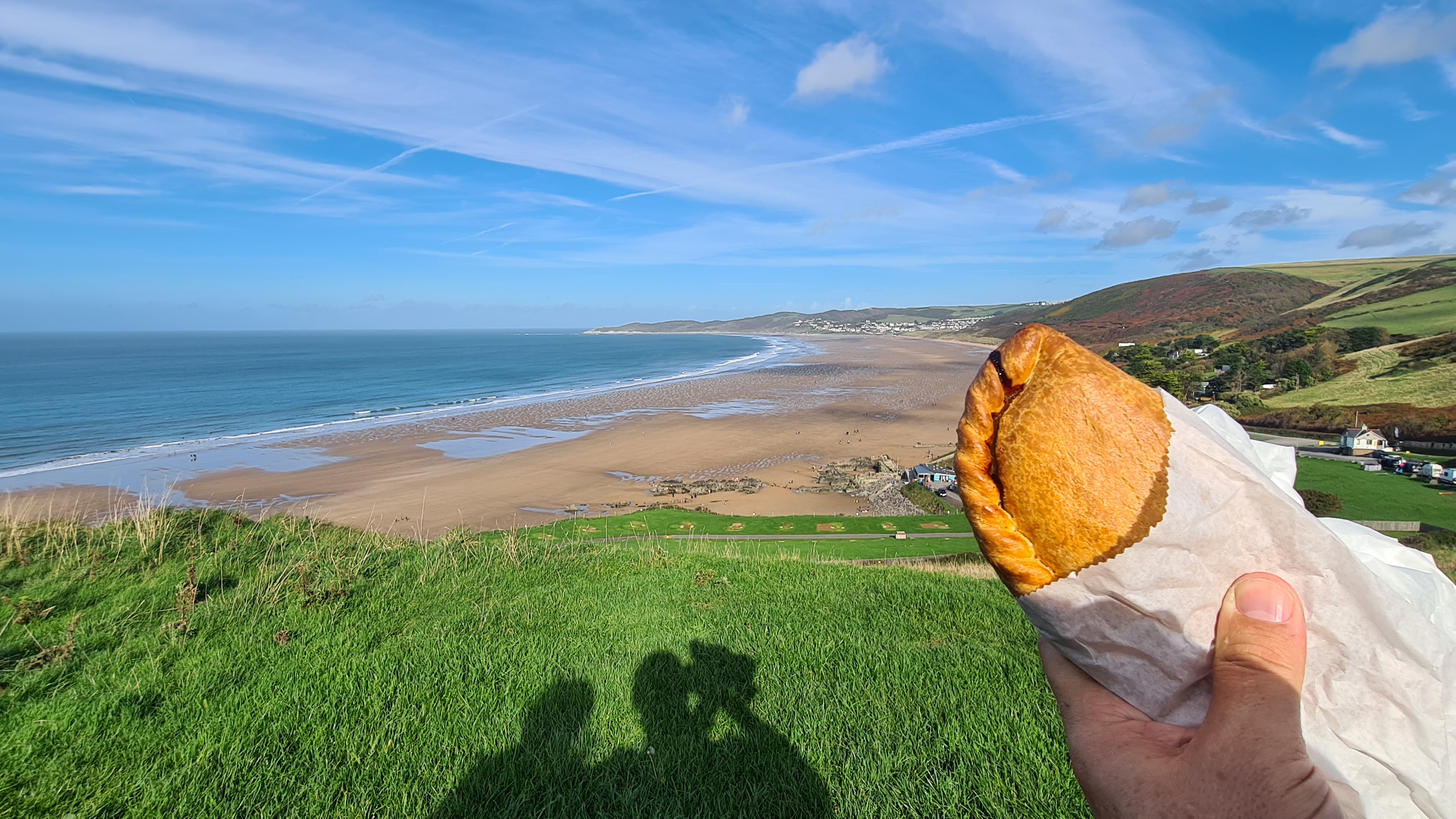
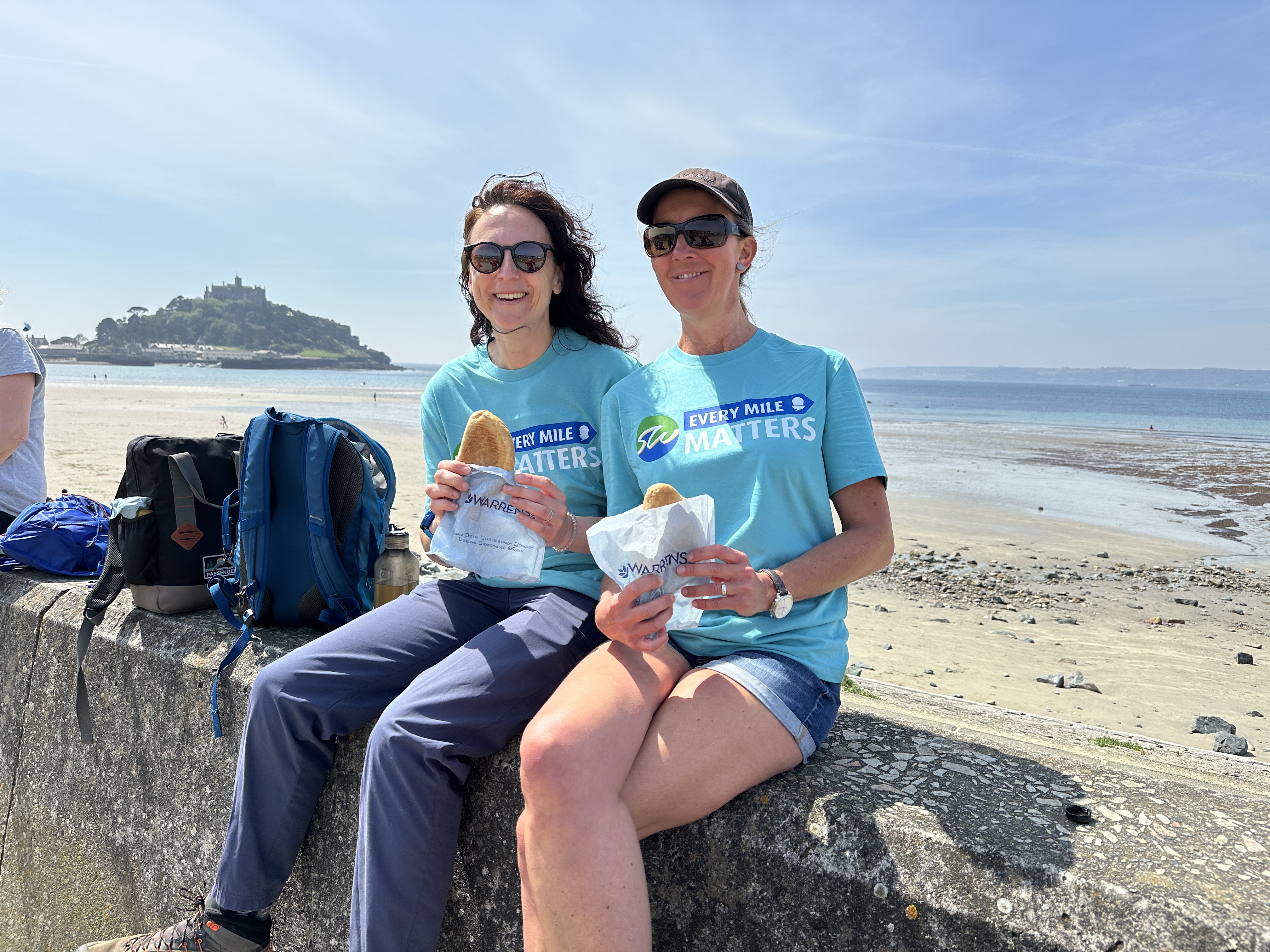
Now, in the 21st century, Cornish pasties are enjoyed up and down the country and across the world with around 120 million being hand-crimped each year, with an endless variety of fillings, both savoury and sweet.
What makes a pasty or “oggy” Cornish?
Cornish pasties have protected status under Protected Food Names legislation, meaning that for a pasty to be truly Cornish, they must be made to a specific recipe in the county of Cornwall.
In the Cornish language, pasties are known as “oggy”, which is thought to be derived from “hoggan”, which became “hoggy” until finally landing at “oggy”. This is where the well-known British chant “Oggy, oggy, oggy” with the response “Oi, oi, oi!” comes from.
Supporting the economy in Cornwall
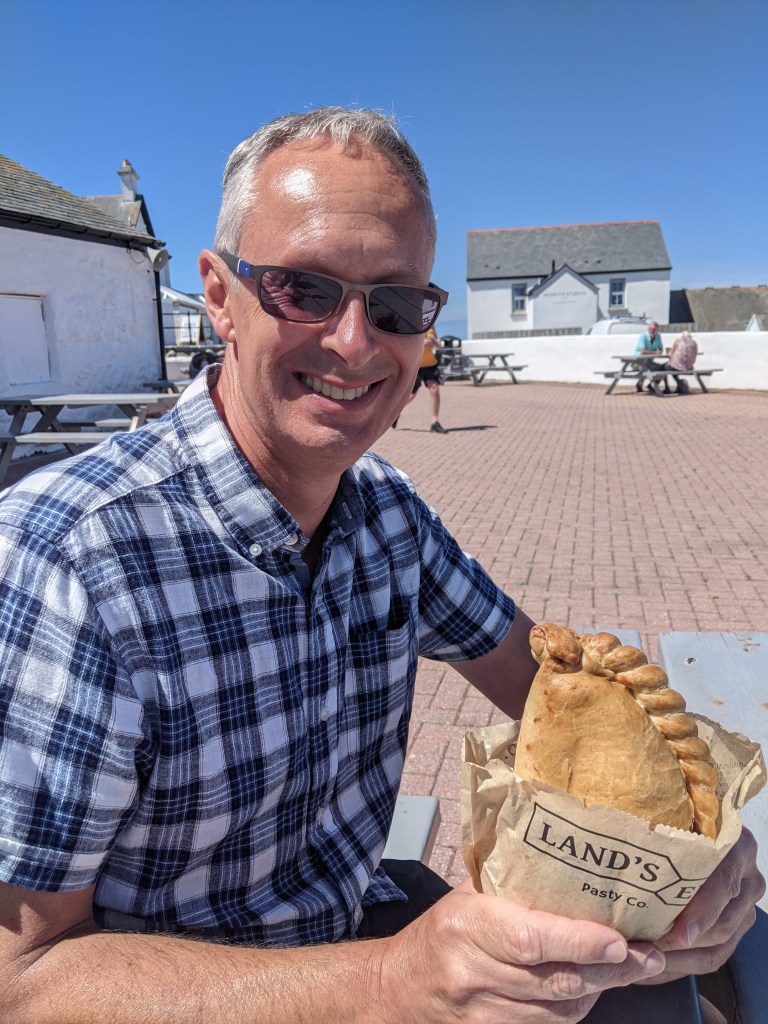
Around 20% of Cornwall’s employment is made up by the visitor economy, generating over £2billion each year; However, the tourism industry in Cornwall is seasonal, meaning that jobs are often part-time and low-paid. Pasty production, on the other hand, keeps upwards of 2,000 people in employment and many of these jobs are year-round, which is a bonus given Cornwall’s seasonal economy. On top of that, Cornish pasty producers generate approximately £300million worth of trade for the Cornish economy, which accounts for 20% of the turnover for Cornwall’s food and drink sector.
Photo: Land’s End by Lizzie Mayell
About Cornish Pasty Week
Cornish Pasty Week is an annual celebration, which in 2025 will see pasty makers across the country raising money for local schools and inspiring the next generation of cooks and bakers. This year an all-new contest is also being launched to find the world’s fastest amateur pasty crimper, with competitions for both adults and children. Find out more about Cornish Pasty Week on the Cornish Pasty Association’s website, here.
 The South West Coast Path