
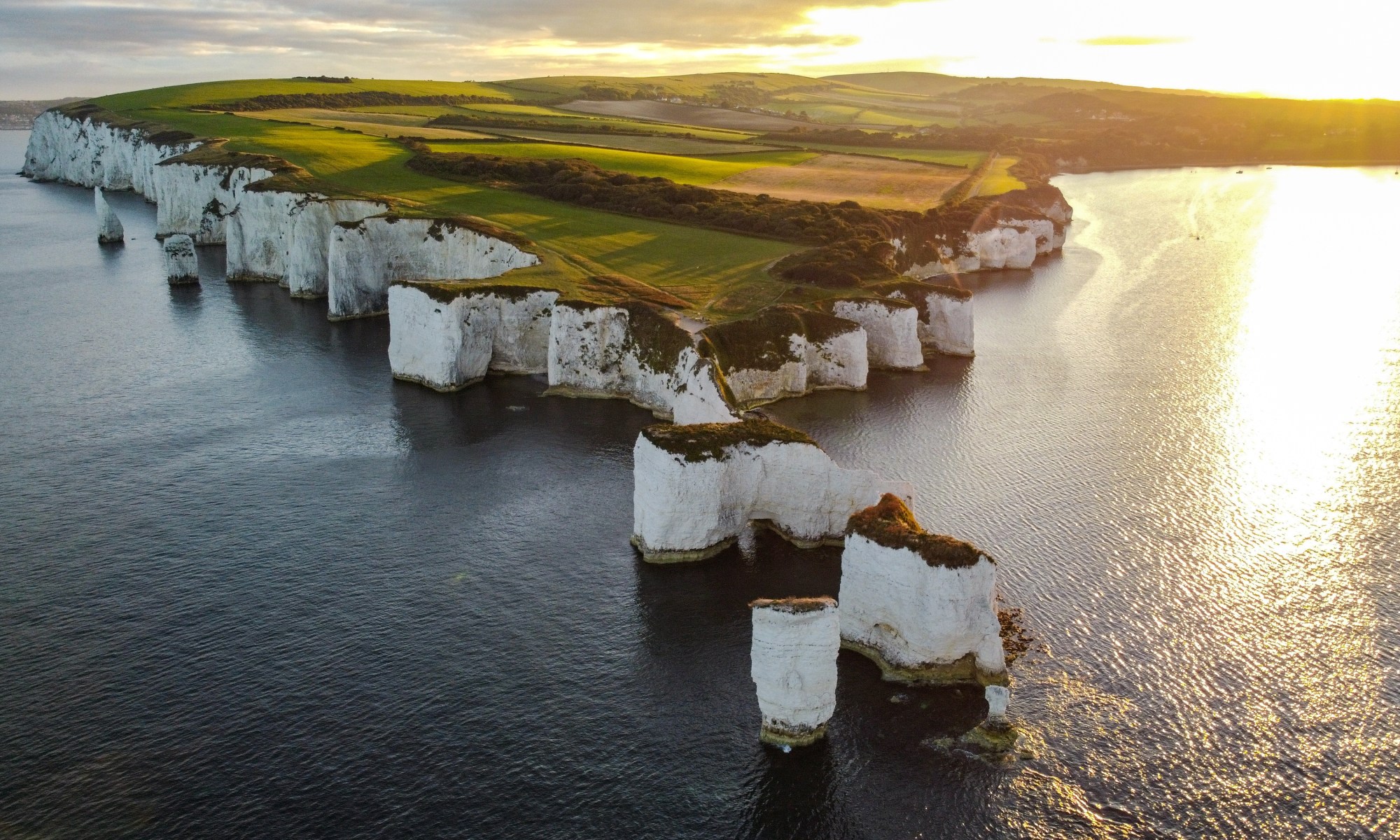

It may not come as a surprise to hear that the South West Coast Path passes through several protected landscapes, but did you know there are 12 of them? From impressive geological sites to vibrant wildlife, read on to learn about all our protected landscapes and why they’re so special.
Five National Landscapes
Previously known as Areas of Outstanding Natural Beauty (AONBs), National Landscapes are places that are safeguarded due to their character and beauty. There are 46 in the country, and the Coast Path passes through five of these – Cornwall, North Devon, South Devon, East Devon and Dorset.
Cornwall National Landscape is unique in that it’s split into 12 different sections, making up nearly a third of Cornwall’s area. The South West Coast Path runs through 11 of these sections, making for some stunning walking with rugged cliffs, vibrant wildlife and fascinating mining heritage.
North Devon Coast National Landscape covers a long coastal section, with the Coast Path stretching all the way along it. It’s packed with ancient sites, thriving habitats and awe-inspiring geology, creating a sense of wilderness that is hard to find elsewhere.
South Devon National Landscape is characterised by its dramatic, undeveloped coastline, deep valleys, and winding rivers. The Coast Path here is perfect for wildlife-spotting, with seabirds, cetaceans (aquatic mammals including whales, dolphins, and porpoises) and seals to look out for.
East Devon National Landscape includes three valleys, some quaint villages and the charming coastal town of Budleigh Salterton. It’s filled with colour and contrasting scenes, best explored on foot. As well as the Coast Path, the East Devon Way runs inland, giving walkers a different view of rolling green countryside.
Dorset National Landscape covers over 40% of Dorset, from Lyme Regis to Poole, where the Coast Path ends. There’s rich cultural history to be discovered here, as well as impressive geology and the famous Jurassic Coast.
Many walks along the South West Coast Path are in National Landscapes, but if you’d like to see where exactly, you can cross-reference using a map on the National Landscapes website.
Two UNESCO World Heritage Sites
Selected for outstanding natural and cultural value, UNESCO World Heritage Sites are recognised internationally by the United Nations and protected for generations to come. There are 35 of these in the UK, and we’re lucky enough to have two along the South West Coast Path; the Jurassic Coast and Cornwall West Devon and Mining Landscape.
Exmoor National Park
A small but hard-hitting National Park, Exmoor condenses an array of landscapes, wildlife and history into just 268 square miles. It includes roughly 37 miles of coastline, spanning from Minehead in Somerset, where the Coast Path begins, to Combe Martin in North Devon.
The area is known for its diverse landscape, with dramatic moorland, windswept beaches and deep, wooded valleys appearing side-by-side. It also holds some impressive UK records, with the highest Coastline, the highest sea cliff and the longest stretch of coastal woodland. Boasting such a special landscape, it’s no wonder walking here is so popular.
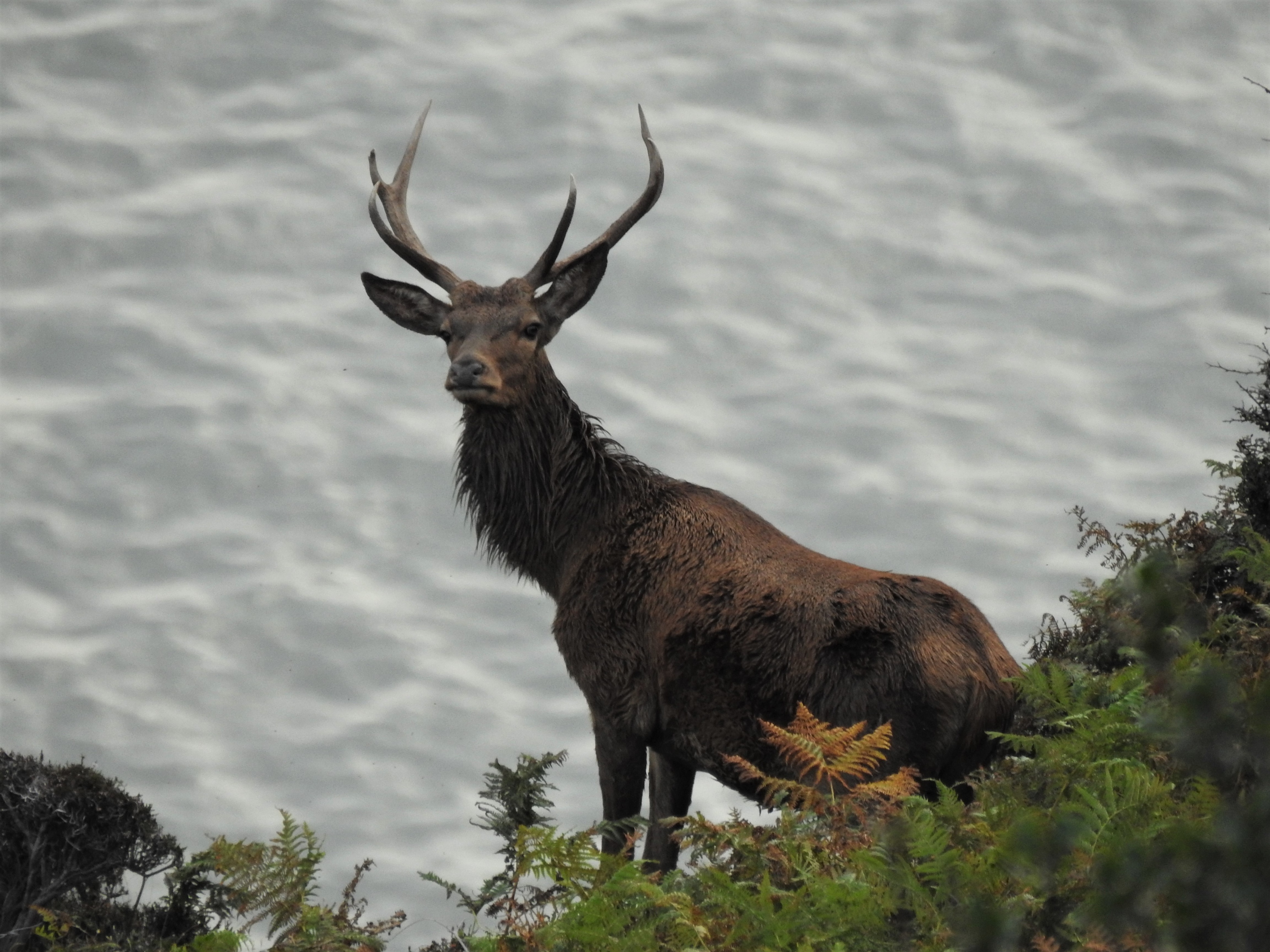
All of the Exmoor coastline is worth walking, but we especially recommend the Valley of Rocks, with its impressive geology and awe-inspiring views, and Porlock Weir to Lynmouth, featuring that famously long stretch of coastal woodland.
Exmoor International Dark Sky Reserve
With such wild, untouched countryside, Exmoor is also home to Europe’s first International Dark Sky Reserve, due to its uniquely low light pollution and unbeatable opportunities for stargazing. This means the area is protected from further light pollution, which means we can enjoy looking at the night sky for years to come.
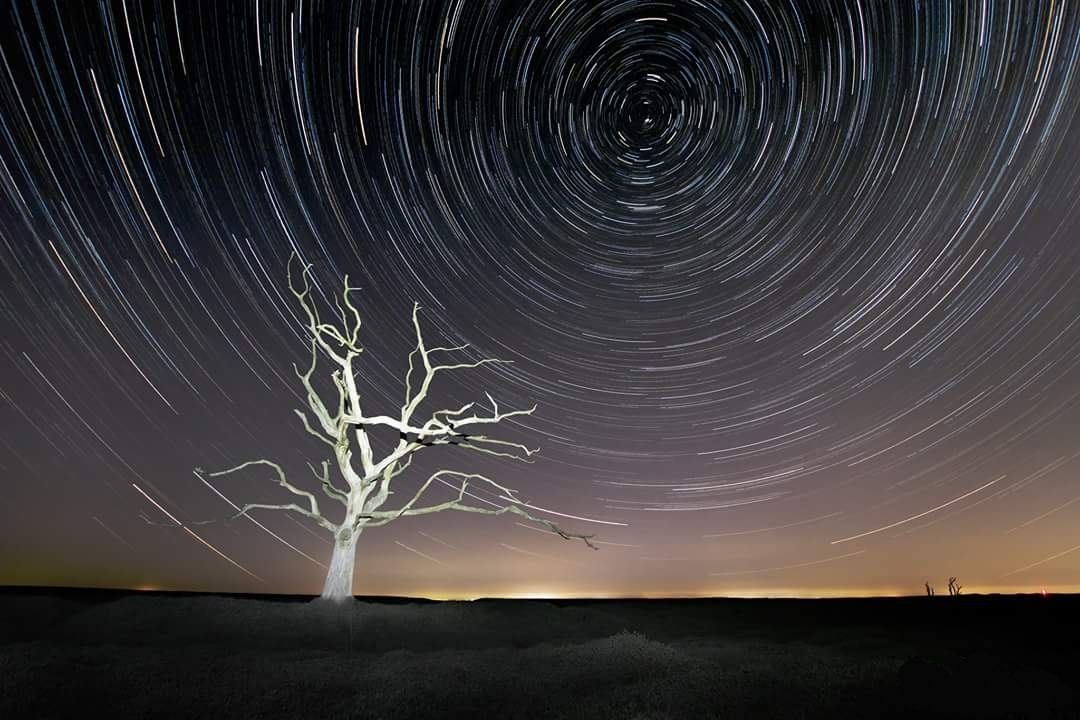
We don’t recommend walking the Coast Path at night, but if you’re staying in the area, stargazing is a must. On a clear evening you can see thousands of stars, and impressive astronomical sites like the Milky Way, with the naked eye. It’s also a great chance to hone those smartphone astrophotography skills!
Visit the National Park website for more information and some great stargazing tips.
If you’re visiting in Autumn, it’s worth joining in on the Dark Skies Festival, with a full programme of events from 17th October to 2nd November.
North Devon UNESCO Biosphere
Another trailblazing protected landscape, The North Devon UNESCO Biosphere was the first of its kind in the UK. The designation is due to the area’s incredible landscapes, diverse wildlife and culture. There’s a special focus on how the people of North Devon live in harmony with nature, conserving the environment while contributing back to communities.
The Biosphere covers over 2,000 square miles, with its buffer zone reaching along all of North Devon’s coastline, and as far in-land as North Dartmoor. It also covers a large marine area, encompassing Lundy Island. The core of the Biosphere is Braunton Burrows, a large dune system packed with rare plants, hidden pathways and World War II history.
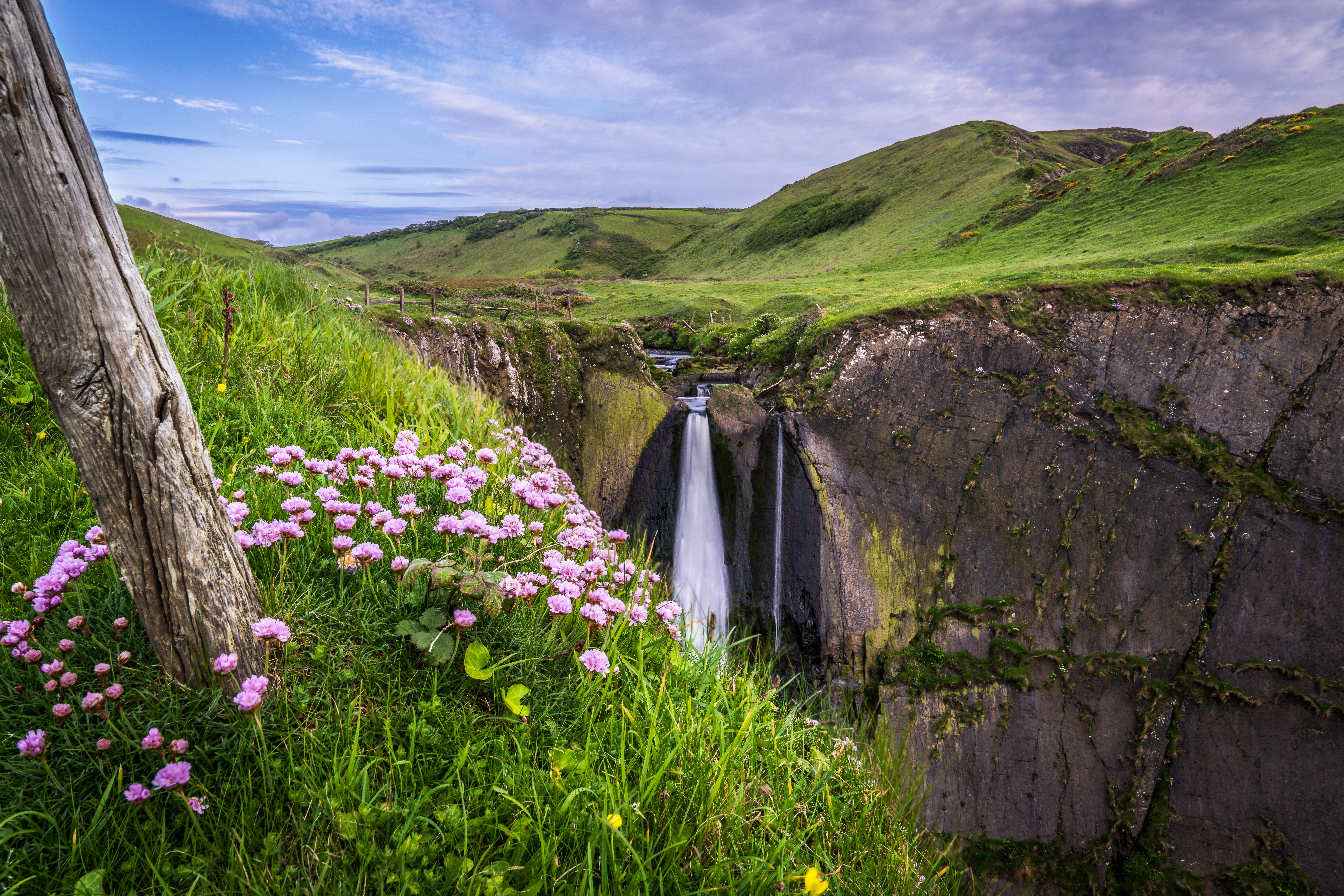
An array of rare and globally important species call the biosphere home, including butterflies, otters, wading birds and ancient trees. The marine life includes basking sharks, dolphins, kelp forests, corals, spiny lobsters and grey seals.
To get a true sense of the biosphere and its wildlife, we recommend a walk along the Coast Path, around Braunton Burrows.
North Devon World Surfing Reserve
The newest edition to this list is the North Devon World Surfing Reserve. This was established in 2022 and joins world-famous surfing hotspots in California, Australia and more. World Surfing Reserves are protected from things like coastal development, dredging and pollution, ensuring a healthy ecosystem and great waves for generations to come.
The reserve covers roughly 30 km of the North Devon coast, including notorious surfing spots like Croyde, Saunton and Woolacombe. It was the first of its kind in the UK, and the first ever cold water World Surfing Reserve.
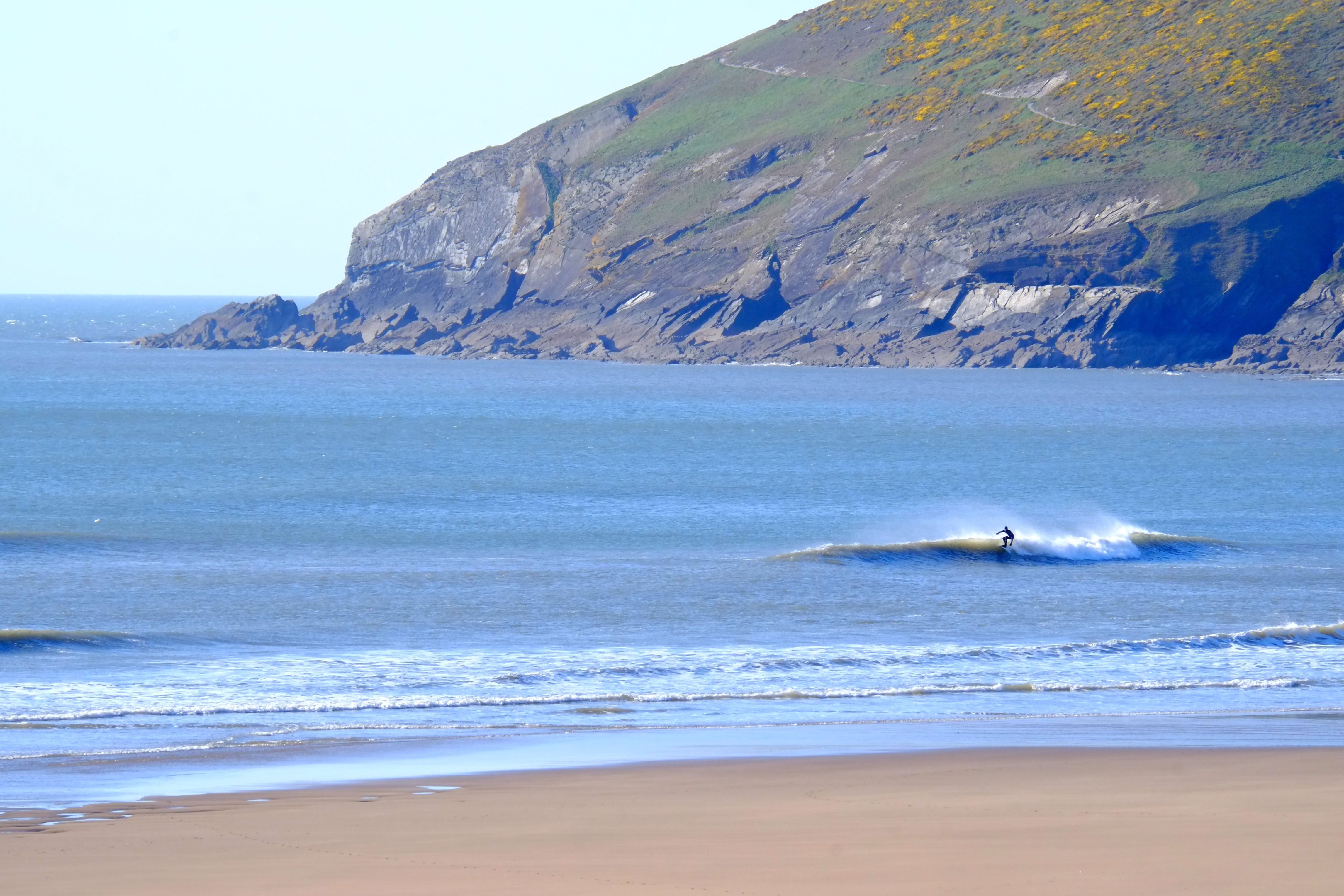
Fancy breaking up your surfing days with a scenic trundle on the Coast Path? For walks within the Surfing Reserve, we recommend Croyde and Saunton Down, Woolacombe to Braunton, or Baggy Point.
Cornwall and West Devon Mining Landscape
Perhaps less known than the Jurassic Coast, the Cornwall and West Devon Mining Landscape is the UK’s largest Industrial World Heritage Site. This area combines fascinating industrial history, imposing ruins and far-reaching views of wild countryside and coast. It includes 10 separate areas, ranging from St Just in far West Cornwall to Tavistock in West Devon, with several of these along the Coast Path.
Although mining has taken place in these areas since the bronze age, tin and copper mining was at its peak here in the 18th and 19th centuries. Cornwall and Devon were pioneering heartlands of mining during this time, contributing new technologies to the industry and at one point producing two thirds of the world’s copper.
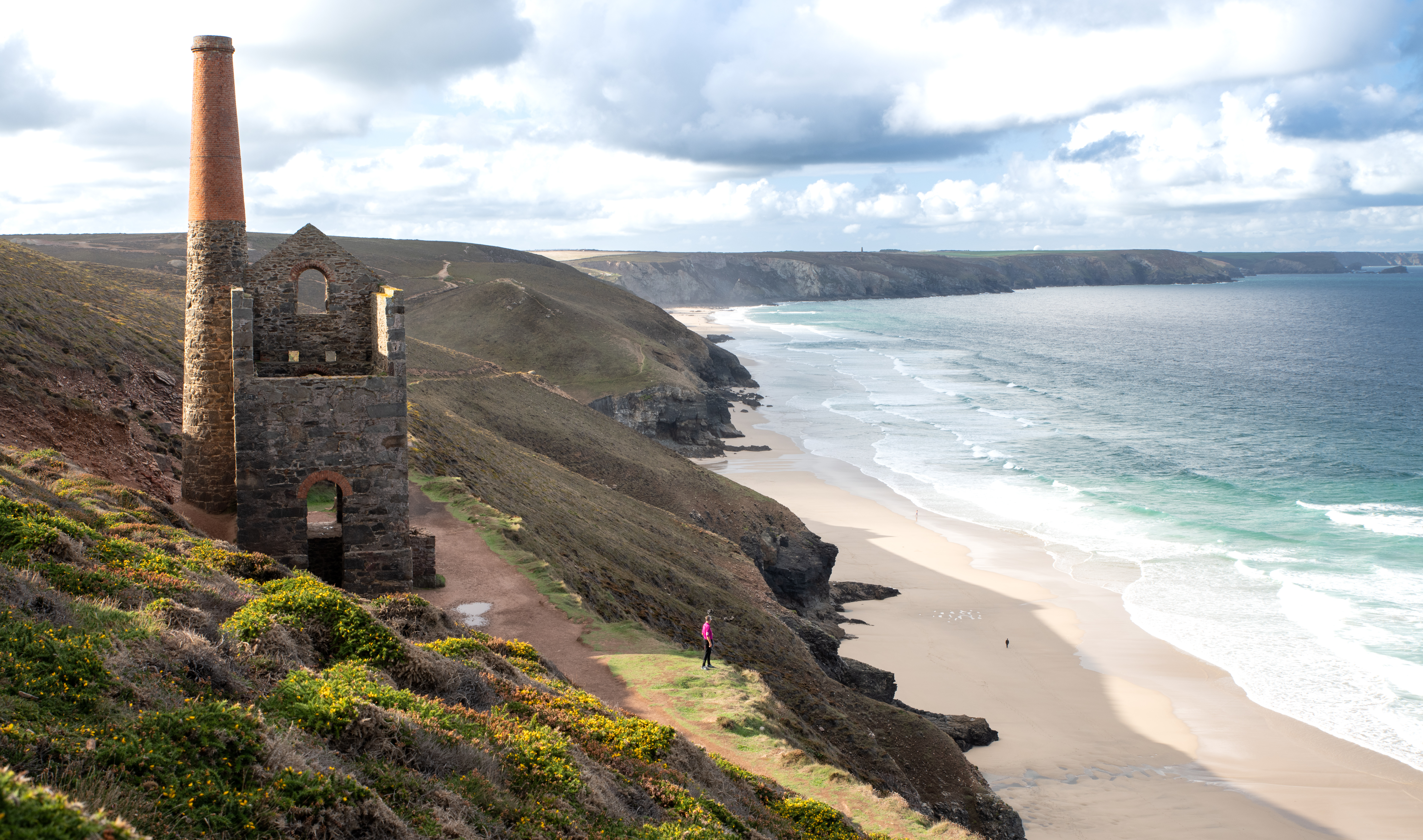
This protected landscape is characterised by well-preserved industrial buildings, often jutting out of unspoiled countryside. There are also historical ports and quays, picturesque mining villages and important mineralogical sites to explore. For a true taste of where mining meets the sea, we recommend walks at Geevor Tin Mine, near Botallack and Wheal Coates, near St Agnes Head.
English Riviera UNESCO Global Geopark
In 2007, UNESCO designated the whole of Torbay as a Global Geopark, one of only nine in the UK. The designation is down to the area’s unique geological importance, as well as spectacular landscapes and cultural heritage. Encompassing Brixham, Paignton, Torquay and Babbacombe, the Geopark spans around 40 square miles and is one of only two ‘urban’ Geoparks in the UK.
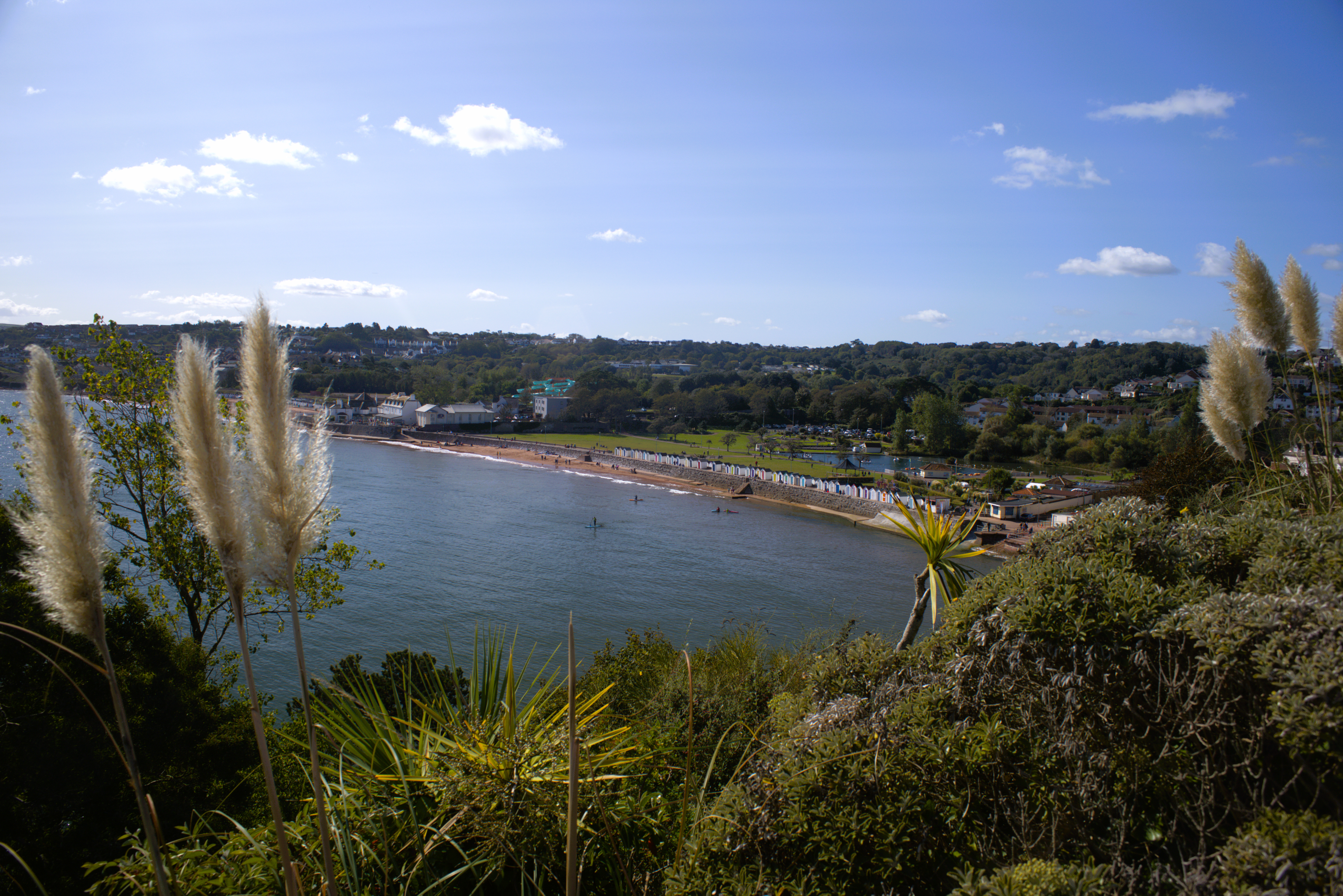
The English Riviera’s exceptional coastline was formed over hundreds of millions of years, and examples of the different stages can be seen all around the area. From Devonian limestone at Hope’s Nose, to Permian sandstone at Oddicombe Beach, there is a rich geological history waiting to be explored. Kent’s Cavern is an excellent example of prehistoric caves, carved out by rainwater 500,000 years ago.
To experience some local geology on the South West Coast Path, we recommend walks at Hope’s Nose, Sharkham Point and Berry Head, and Babbacombe and Oddicombe.
Jurassic Coast
Designated as a World Heritage Site in 2001, the Jurassic Coast’s cliffs expose up to 185 million years of history. It’s globally significant as a site for fossils and ancient geology, with rock formations spanning the Mesozoic era, and is England’s only natural World Heritage Site.
The coastline stretches 95 miles, all along the South West Coast Path, from Orcombe Point near Exmouth to Old Harry Rocks near Swanage. There’s plenty of excellent walking along the way, with opportunities for fossil hunting and breathtaking cliff views aplenty.
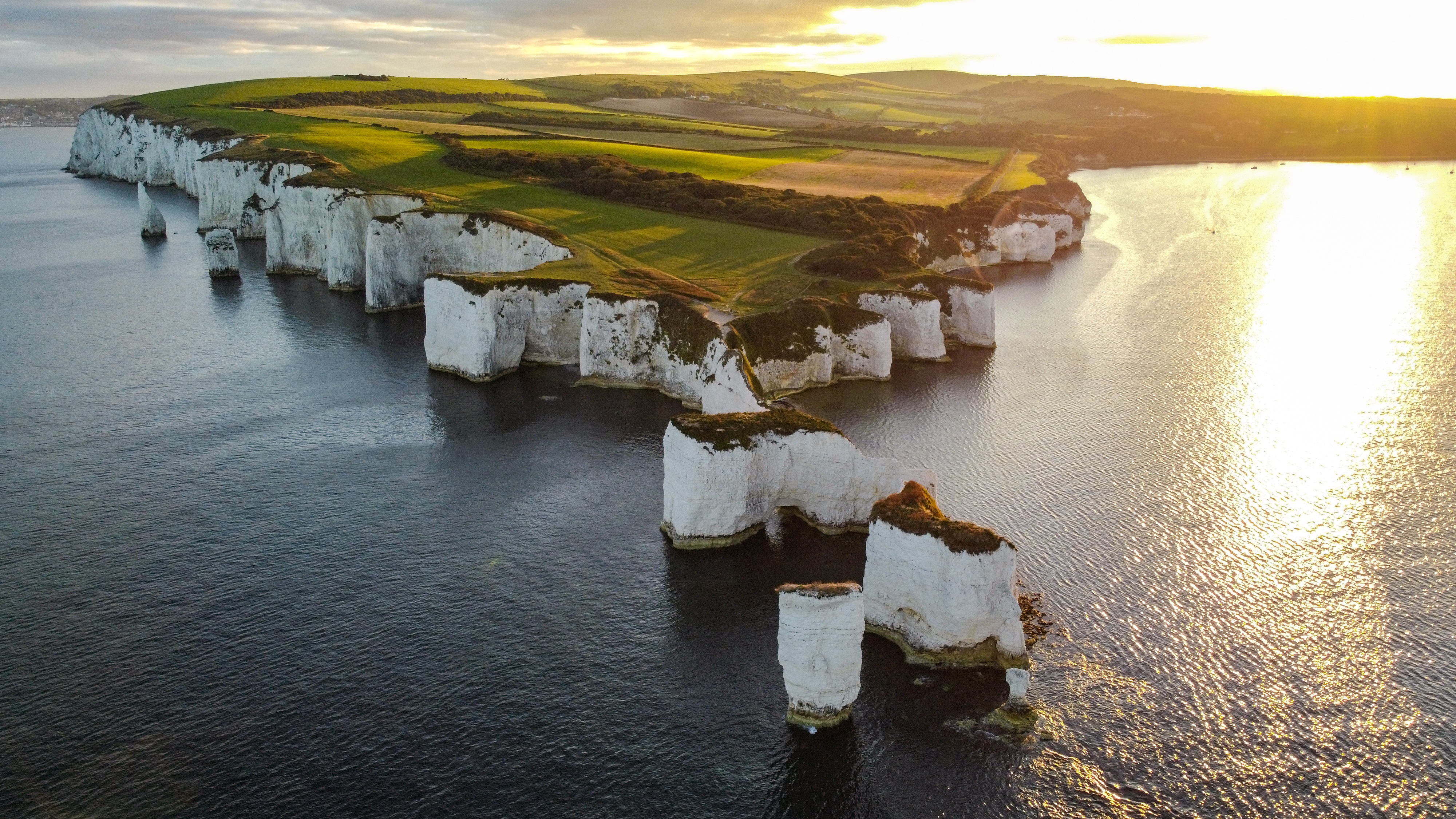
If you’re exploring the Jurassic Coast, it’s worth checking out Durdle Door, Old Harry Rocks, the never-ending Chesil Beach and the undercliffs at Lyme Regis and Branscombe. Read our page on walks along the Jurassic Coast for more inspiration.
That wraps up our list of all the protected landscapes along the South West Coast Path! From wildlife, to geology, to catching waves, there are plenty of reasons to look after our amazing area.
There are countless teams of volunteers working tirelessly to maintain the special landscapes along the path – all that’s left for you to do is get out and enjoy them!
Guest blog written by Barney Munn, SWCPA Communications Volunteer
Barney loves long-distance walking and prehistory, meaning any walk with standing stones, hillforts or dolmens has a firm place in his heart. Despite the countless show-stopping things to see along the Coast Path, Barney’s favourite part is the peace and meditation felt when walking.

Check out Barney’s previous blogs
South West Coast Path Through the Lens: 10 Screen-Worthy Locations on the Coast Path
5 Autumn and Winter Walks on the South West Coast Path
8 Marine Animals to Spot on the South West Coast Path
4 of my Favourite Summer Walks on the South West Coast Path
 The South West Coast Path