
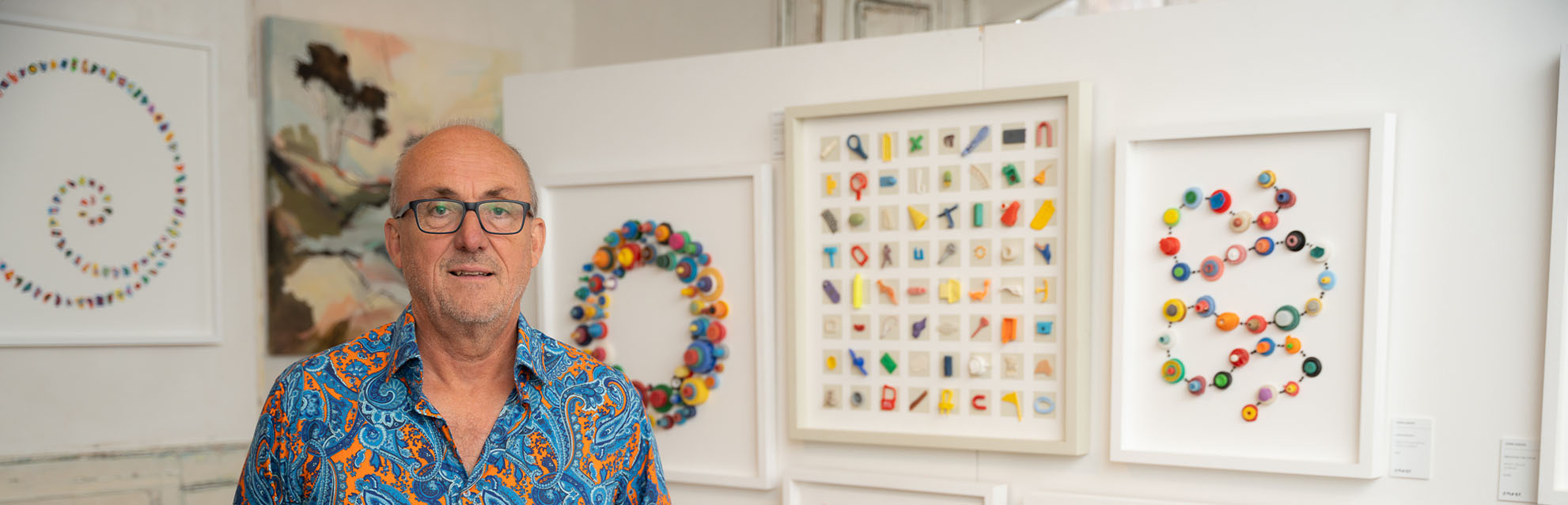

The coast as inspiration for my art
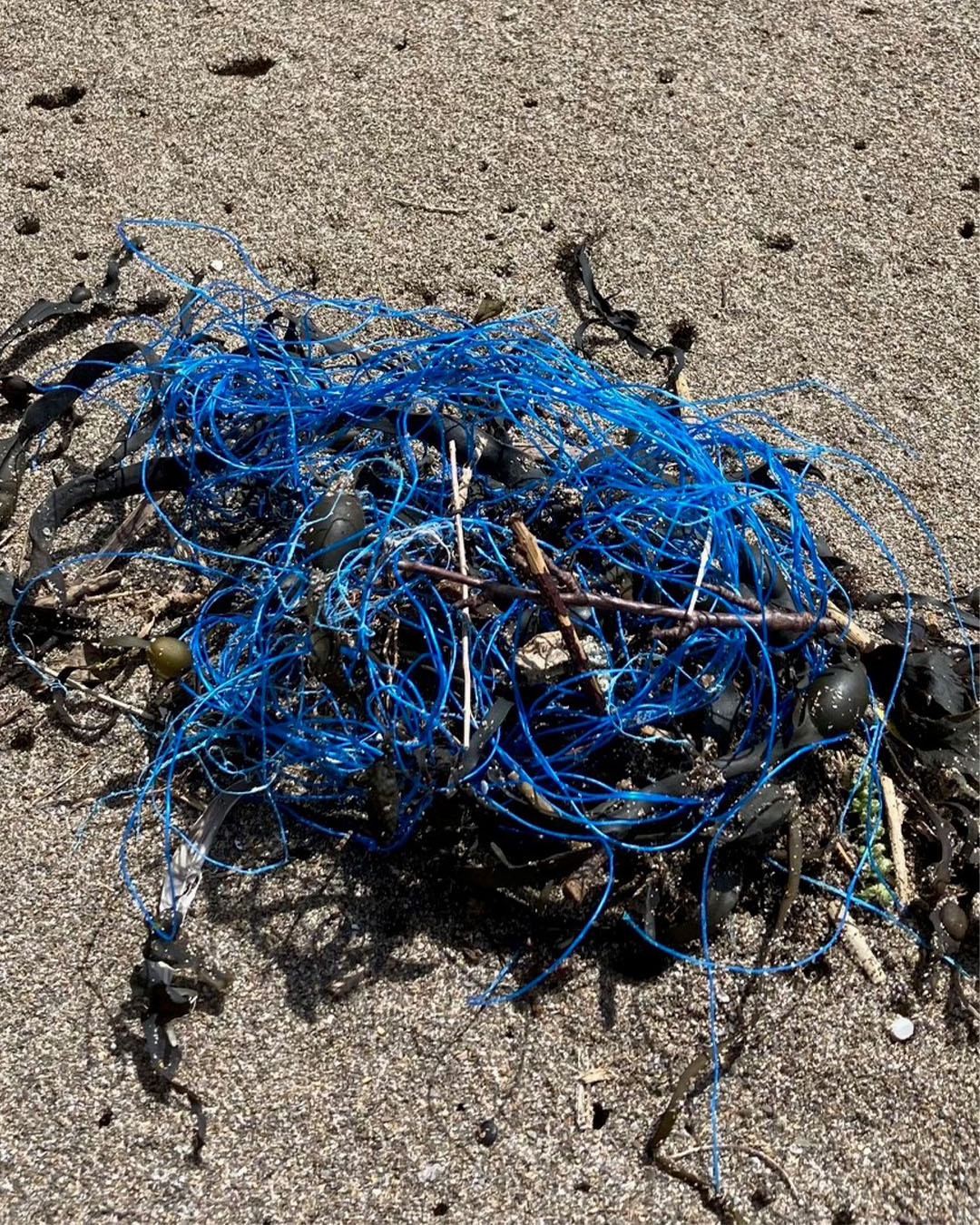
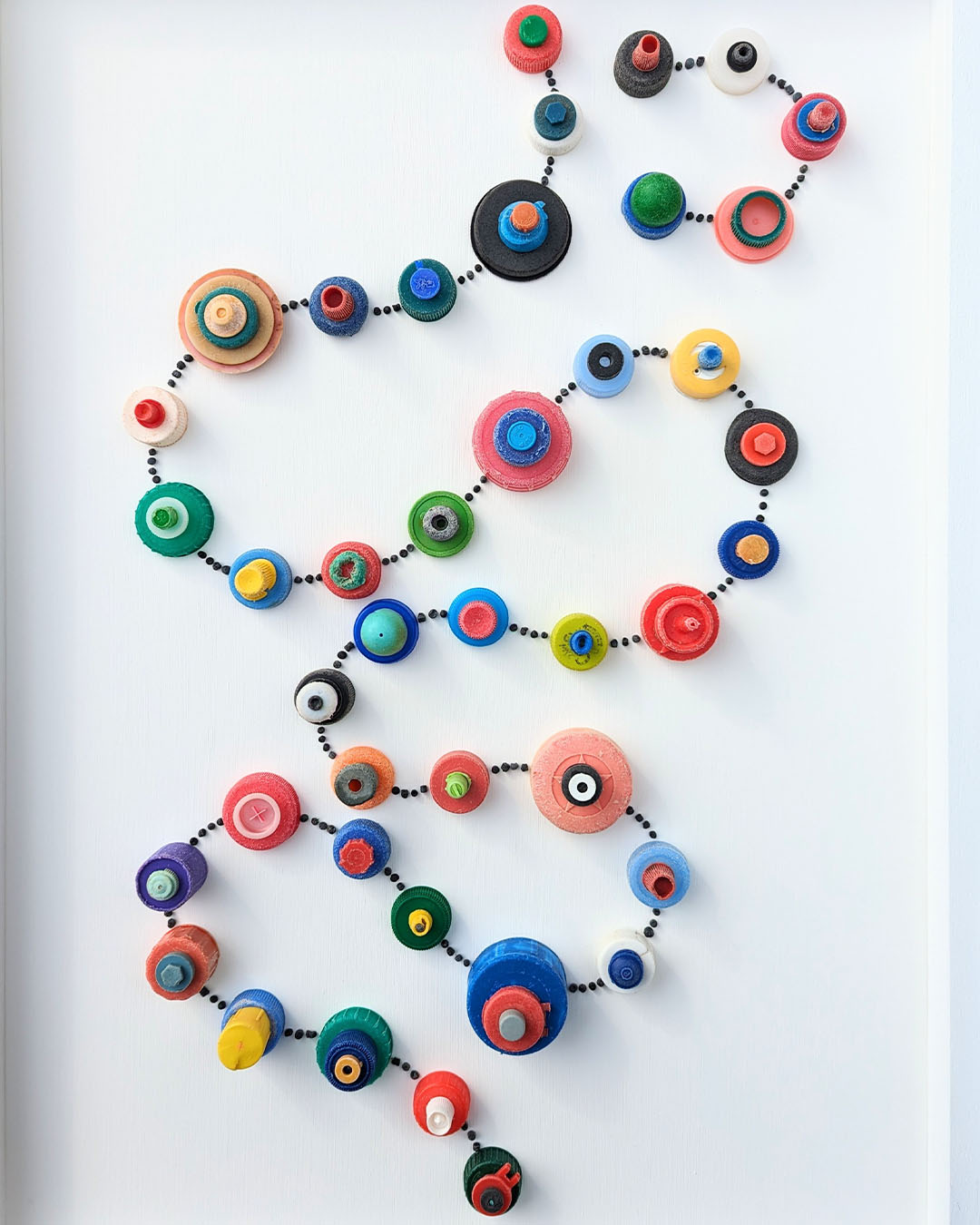
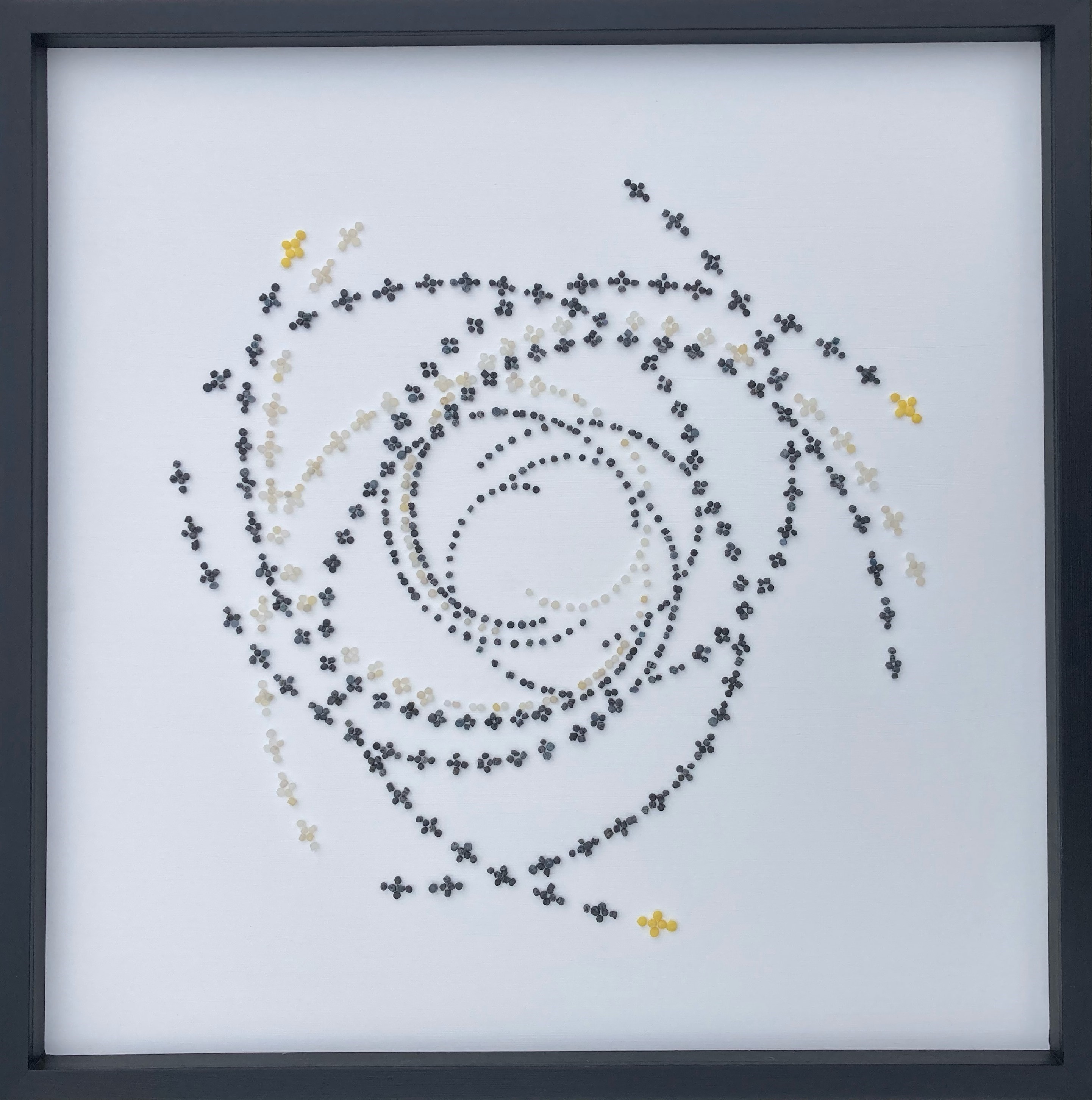
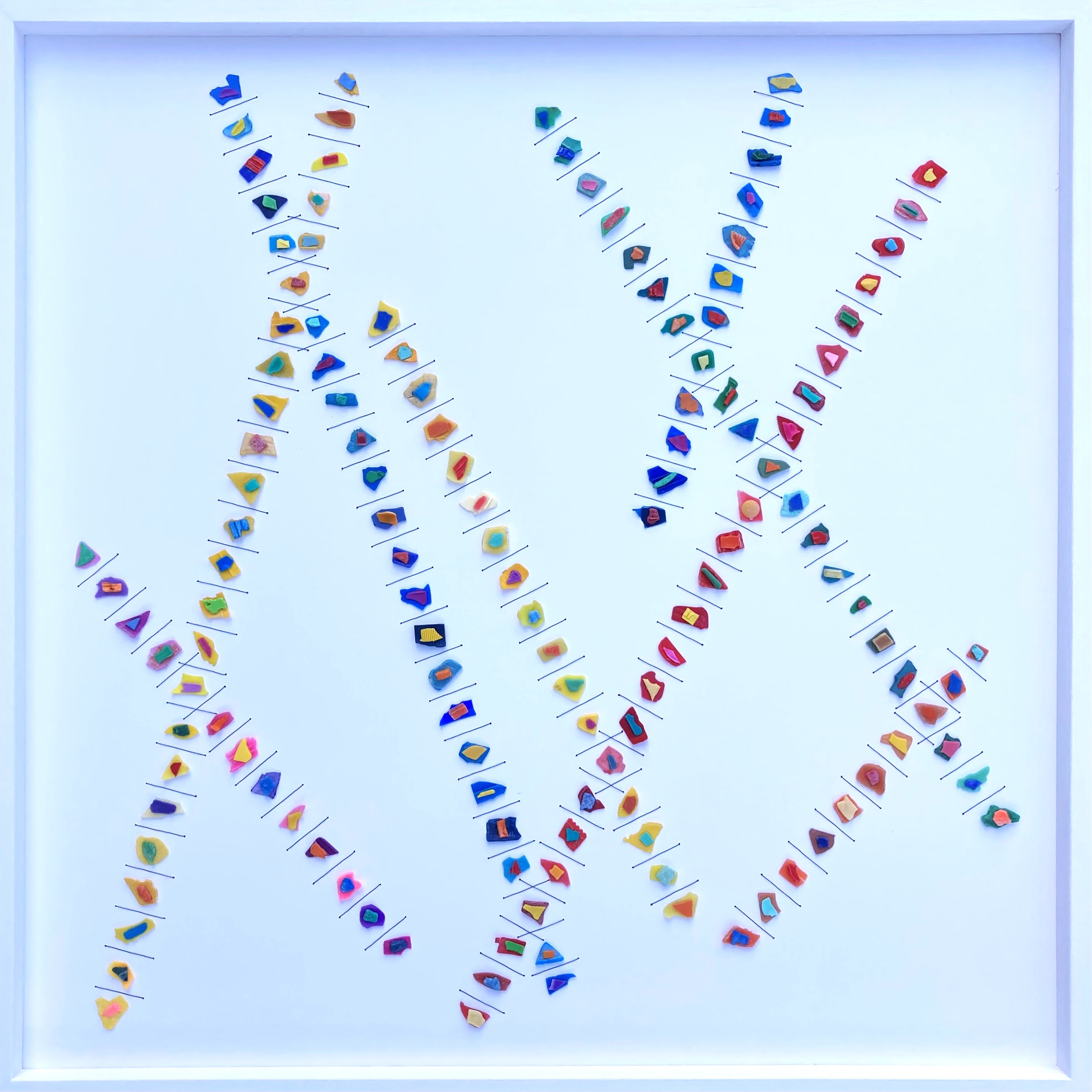
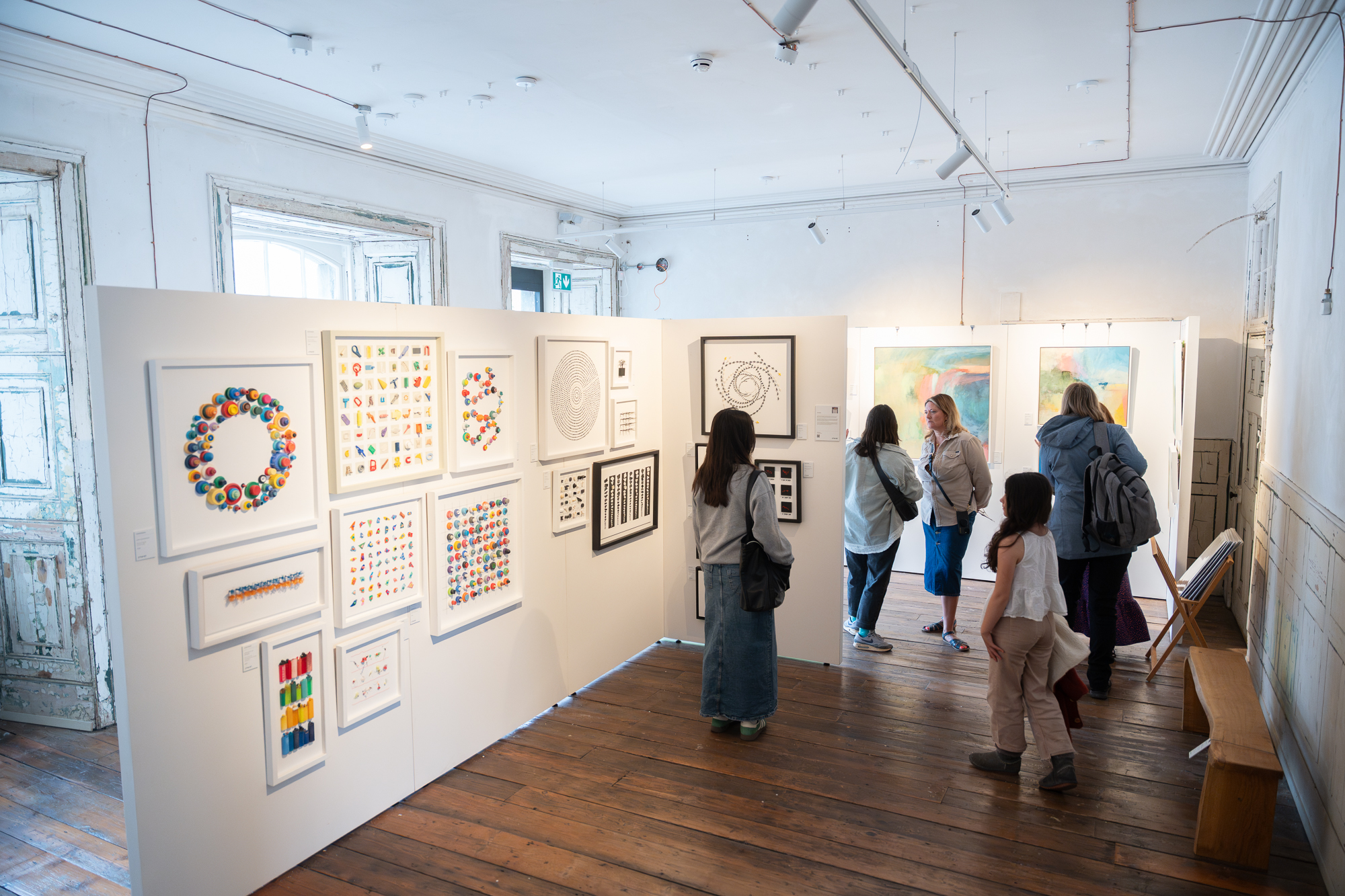
Inspiration for my art comes from many different directions. I remember on one of my earliest trips to the beach after I had moved down to the south-west, finding a piece of vivid blue rope wrapped around a piece of sheer black seaweed and thinking that’s art right there framed beautifully by this sandy beach. Ideas also come from other artists such as Wassily Kandinsky and his use of colour, Damien Hirst’s use of pattern, and the minimalist art of the likes of Donald Judd. Nature and mathematics also inspire some of the arrangements, such as the Fibonacci spiral found in snail shells and sunflower seed heads.
The South West Coast Path is important to me not just because it gives access to our amazing beaches, but also because it gives inspiration, the colour of the sky, the unfurling of a fern by the path-side or just the calmness and the natural beauty.
The environmental message running through my art
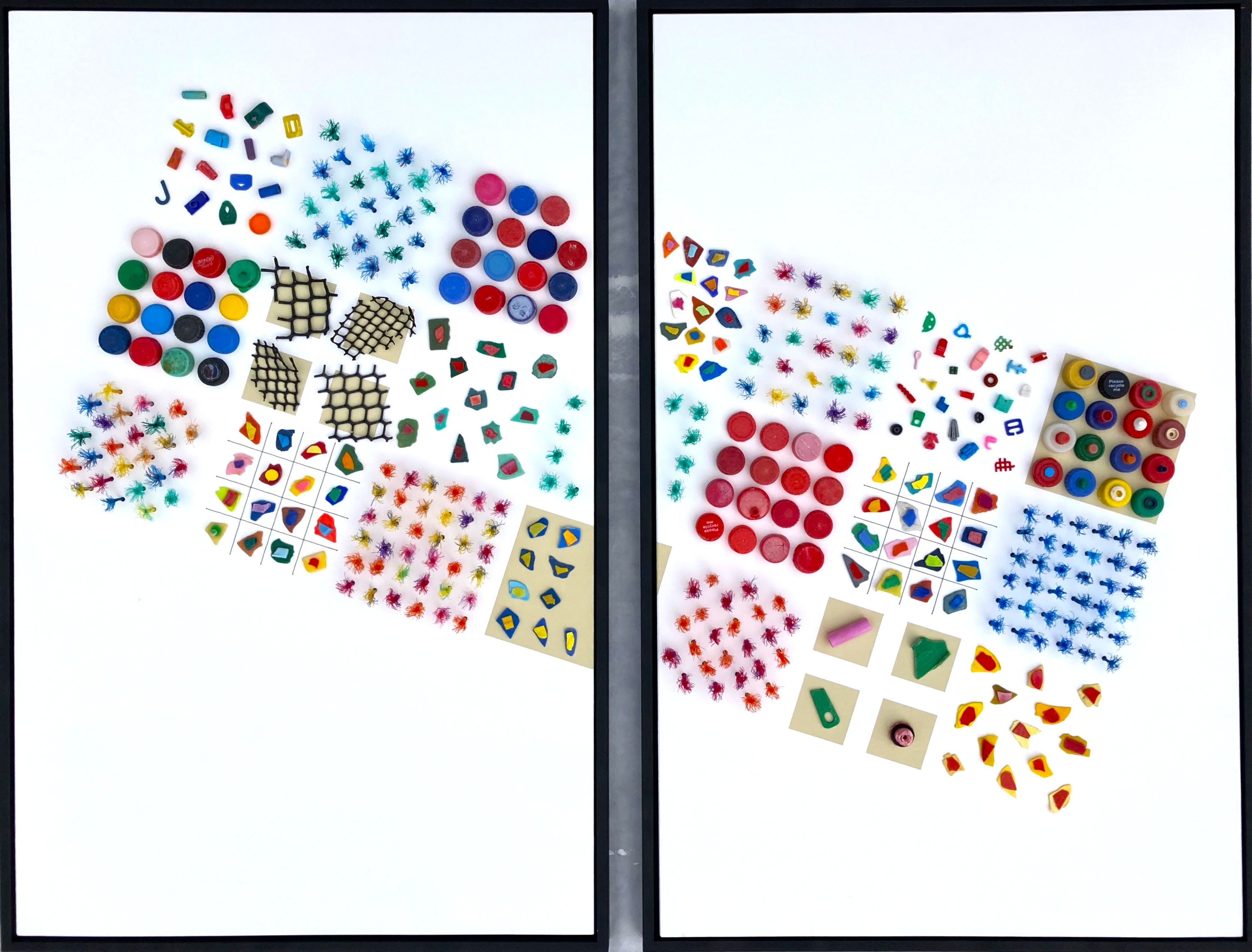
The key message behind my art is that waste plastic is doing immense damage to our planet, our oceans and our ecosystems, all those things that keep the human race alive and thriving. Plastic is everywhere, and whilst some of it is essential to modern life, much of it is now ‘throwaway’. Thousands of tonnes of microplastics are entering the ocean every year, and by 2050 it is estimated that there will be more plastic than fish in the sea. More and more of this marine litter is ending up on our beaches. As it breaks down into smaller and smaller fragments, it enters the food chain and ultimately us.
Plastic on the beach
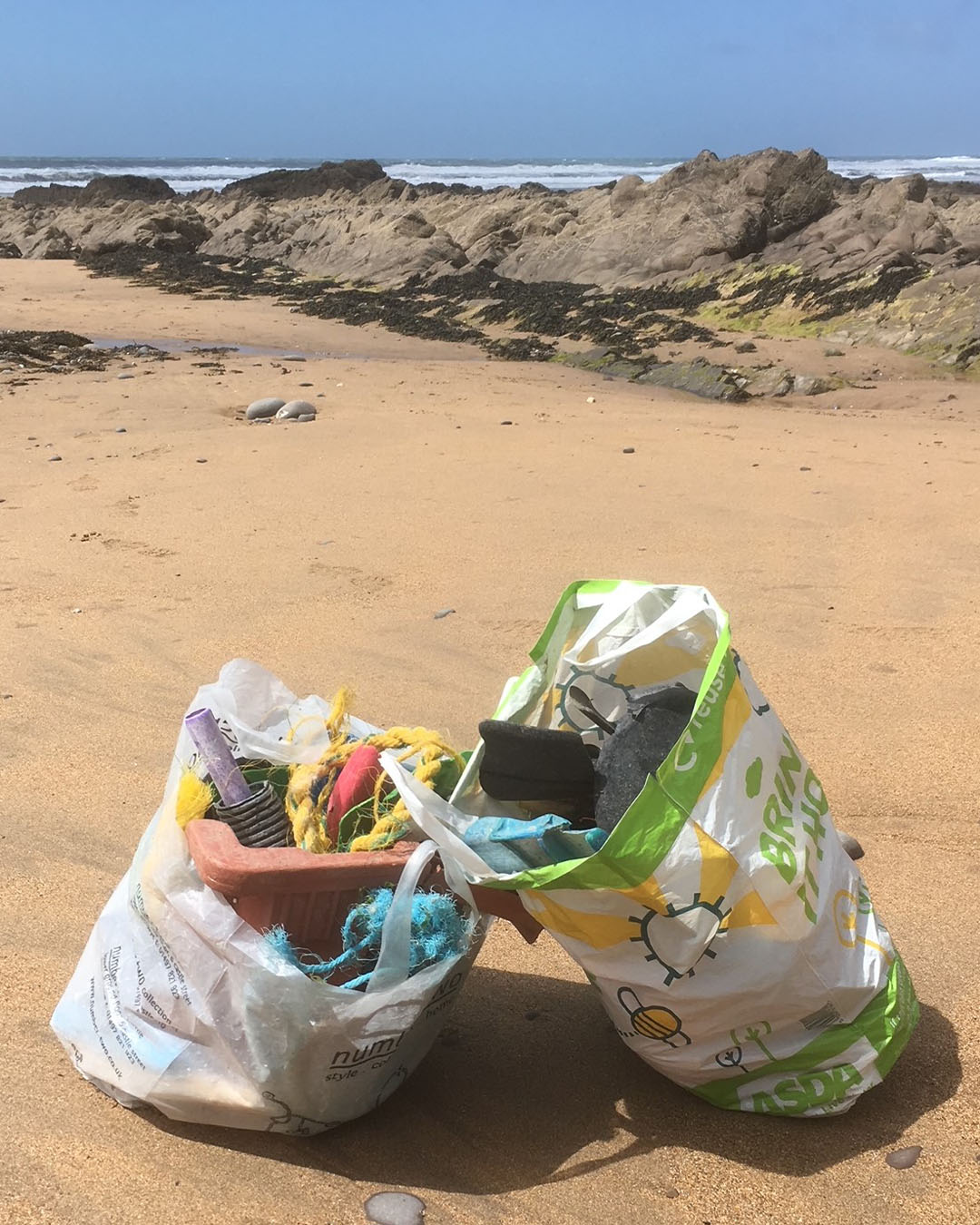
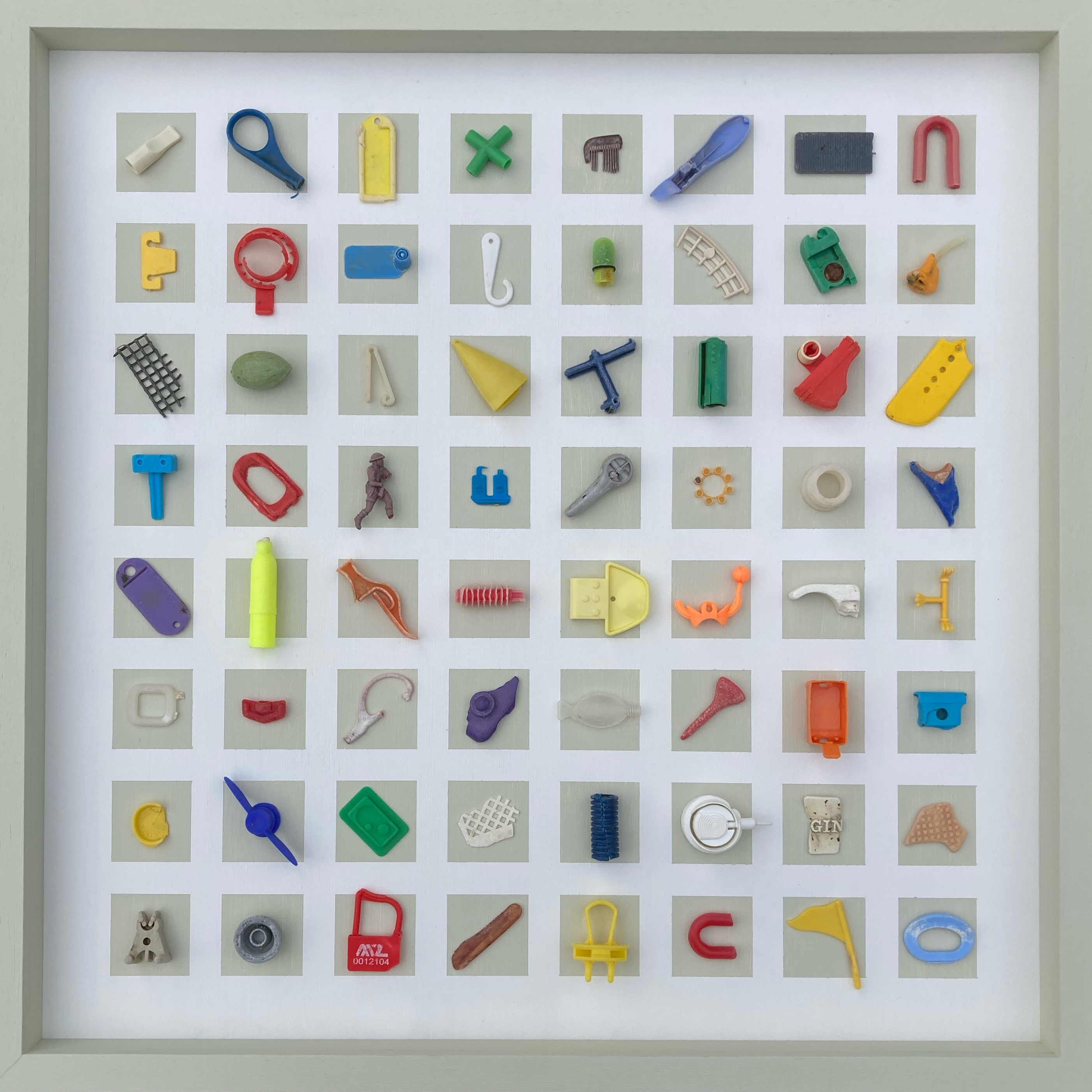
In 1997, five million pieces of lego fell into the sea from the container ship Tokio Express. They are still being washed up around the Cornwall coast today. Other less romantic and more common finds are bottle tops, fishing line, trawler net, pieces of buoys and floats, and a myriad of tiny unidentified plastic fragments. Nurdles, which are mainly the small pellets used as the raw material for the plastics manufacturing industry are becoming more and more common. Whilst the reason for our beaches attracting so much plastic lies in the currents off the Atlantic Ocean, there are geographical variations for example Tregantle Beach, part of Whitsand Bay seems to harbour lots of small fragments, whilst Northcott Mouth, just outside Bude tends to have larger pieces, parts of fish crates for example.
What can we do?
Many beaches now have litter picker stations where people can do a small beach clean whilst they are enjoying their visit to the coast and the sea. All this makes a difference and helps to keep the coast and the coast path litter free. But if we are to make a real impact, people need to change their buying habits, refusing plastic packaging and using refills for example. And we need to keep up the pressure for regulatory change, such as campaigning for the use of returnable bottles instead of single use plastic.
Where to see coast inspired art
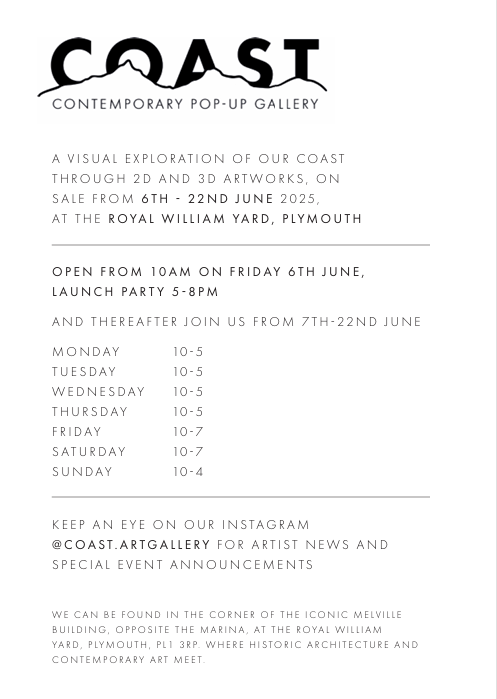
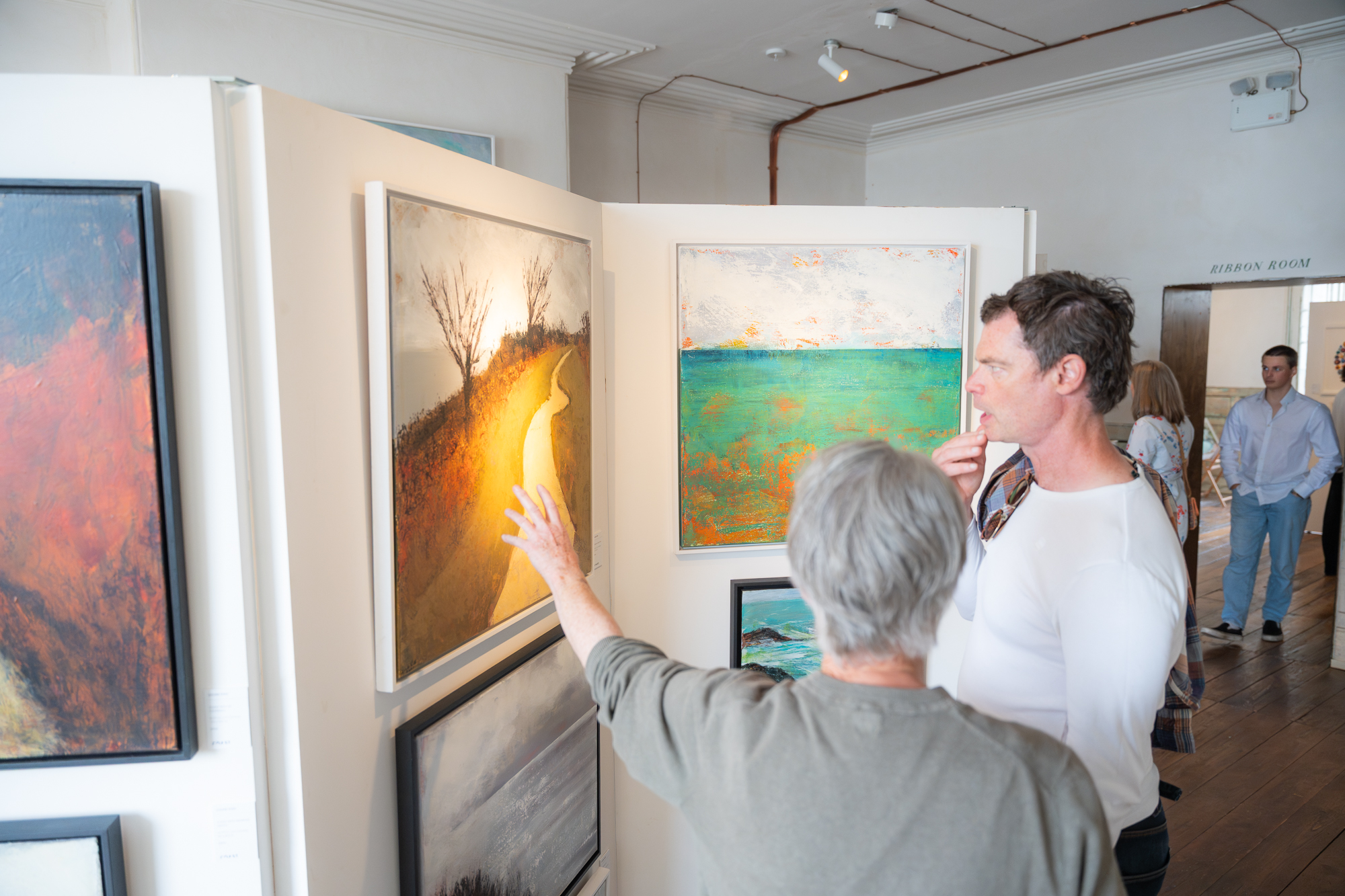
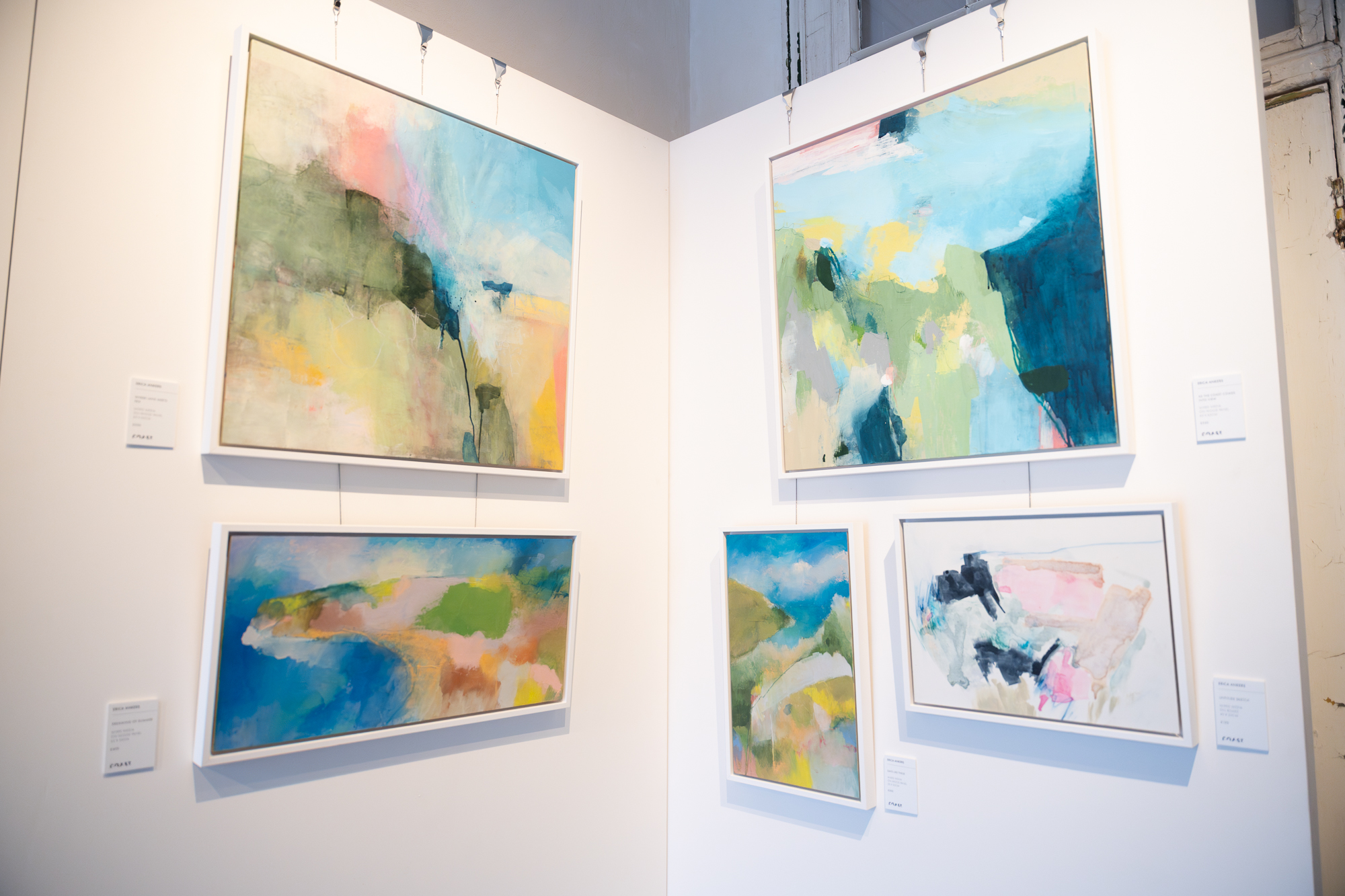
You can find coastal art in the many galleries along the route of the coast path. John’s art and the art of eight other coast inspired artists is currently on display in Melville Corner at Plymouth’s historic Royal William Yard. Other artists there include Erica Ankers who paints colourful coast inspired semi abstract works, Rebecca Roberts whose ceramics are inspired by the coast path, and Louise Kidd, based in Polruan, who has just completed a series of coast path paintings. Erica and John have curated the gallery specifically to bring together those south west artists who are particularly inspired by our amazing and dramatic coast. @coast.artgallery is open every day until 22nd June.
To see more of John’s work go to www.pollutionart.com
 The South West Coast Path