


Cold water swimming has grown in popularity in recent years, especially during the pandemic when leisure centres were closed. In fact, 45% of swimmers increased their outside swimming sessions in 2020, according to research. Even when the world opened up again, many people chose to continue their outdoor swimming activities, thanks to the health benefits and community spirit the sport offers.
In this guide, we’ll explore some of those benefits, as well as a few top tips for ensuring that you’re wild swimming safely.
Cold water swimming and physical health
Reduced inflammation
Jumping into cold water is a fairly common technique used by athletes – you may have seen or heard about them using ice baths to reduce swelling and minimise the chance of injury. The blood vessels pull your blood towards the vital organs and away from the extremities in order to tackle the cold. Cold water swimming offers the same effect, allowing your muscles to recover, as the restricted blood flow reduces swelling and pain.
Boost immune system
Research in this area is still ongoing, but there is some evidence to suggest that regularly going swimming in cold water can be beneficial for your immune system. Whilst a dip once a week might not make a difference, going multiple times may well have an impact, as your body becomes adapted to the cold. This may result in you suffering from fewer winter coughs and colds overall.
Weight loss
As you might expect, cold water puts your body under a level of stress, as it fights to keep your core temperature at the right level. That might not sound good, but in controlled doses, it can be beneficial. The effort needed to control your body temperature can mean that you burn more energy when cold water swimming, and over time this can lead to weight loss. Additionally, swimming is just a great way to keep fit.
Cold water swimming and mental health
Increased stress tolerance
Plunging into freezing water can feel a little stressful. The temperature drop is a shock, and you’ll need to get moving in order to stay warm. This might not immediately sound appealing, but being able to cope with stress and shock on a regular basis may help you have improved tolerance for stress in other areas in your life.
Mindfulness
When you’re cold water swimming, it’s hard to focus on anything other than the immediate environment around you. As a result, it can act as a form of mindfulness, helping you stay fixed on the present moment and forget your worries for the time that you’re in the water. It can also help you have a greater appreciation for the beauty of nature, and connection with other people if you swim in a group.


How can you ensure you swim safely?
Choose an appropriate venue
Reading about all the benefits of cold water swimming may have you researching local rivers and beaches, but the best way to start this hobby is to choose a venue that is lifeguarded, or join a swimming group. That way, you can ensure that help will be close by if you get into difficulty in the water.
It can also be helpful to choose an unheated outdoor pool to start with, as these venues are more likely to have steps to help you leave the water quickly. Bude Sea Pool and Penzance Jubilee Pool are both great options in Cornwall.

Have the right equipment
Even the most experienced cold water swimmers would flinch at the idea of getting in the water in just a swimming costume in winter. Many people choose to wear a wetsuit, at least at first, to help acclimatise to the water temperature and reduce the shock of the cold.
You’ll also want to make sure that you can be seen clearly. This means wearing a brightly coloured swim hat (also helpful for maintaining body temperature) and potentially a tow float that you tie around your waist. Tow floats also offer the practical element of acting as storage for your keys whilst you’re on the water.
Some swimmers also carry a small whistle attached to their wrist to be used to signal for help in emergency situations.

Listen to your body
As we’ve explained, cold water swimming puts your body into an element of shock, so the sport should not be underestimated. Whilst there are many benefits to be had, ultimately, you will need to listen to your body and understand when to call it a day. Make sure you know how to warm yourself up after your swim so that you can enjoy the experience to the full, and avoid causing yourself harm.
Written by James Ritter
James is a digital consultant with several years of experience creating content for a range of different companies worldwide. Thanks James for researching the benefits of cold water swimming and sharing them with us.
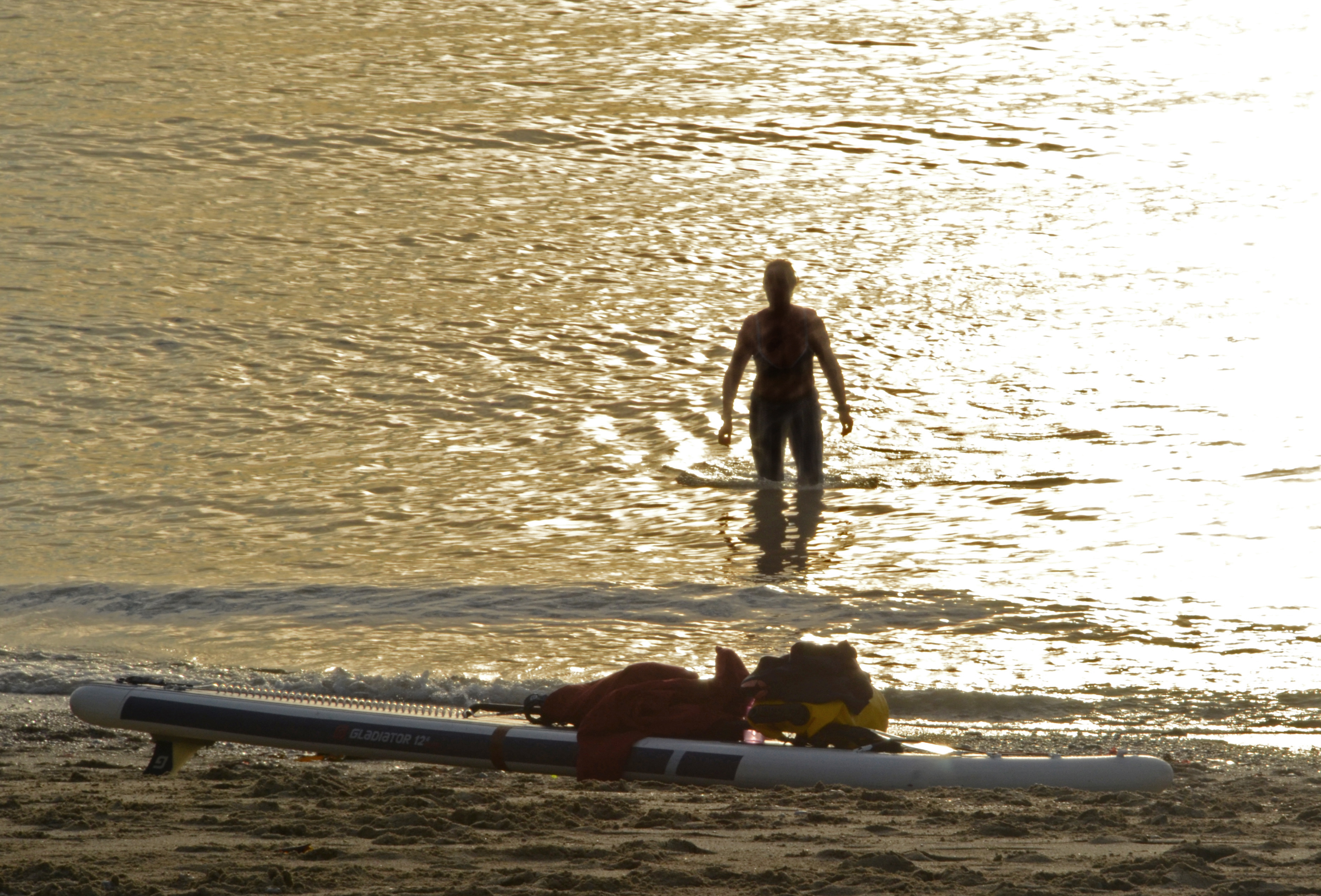
Header image: Polurrian Cove by Jim Ayres
Check out the following websites for further safety advice when swimming on the coast
The RNLI provides a useful guide to open water swimming with advice on checking weather and tides, and what equipment to take with you when venturing for a sea swim. For more details go to their website https://rnli.org/safety/choose-your-activity/open-water-swimming#
Water quality is also really important and there are a few App’s which monitor the water quality of rivers and beaches and alert swimmers to contaminated water, particularly after a sustained period of rainfall. Go to the Surfers Against Sewage Safer Seas and Rivers Service App that alerts to pollution in our rivers and sea https://www.sas.org.uk/water-quality/sewage-pollution-alerts/safer-seas-rivers-service/

 The South West Coast Path