
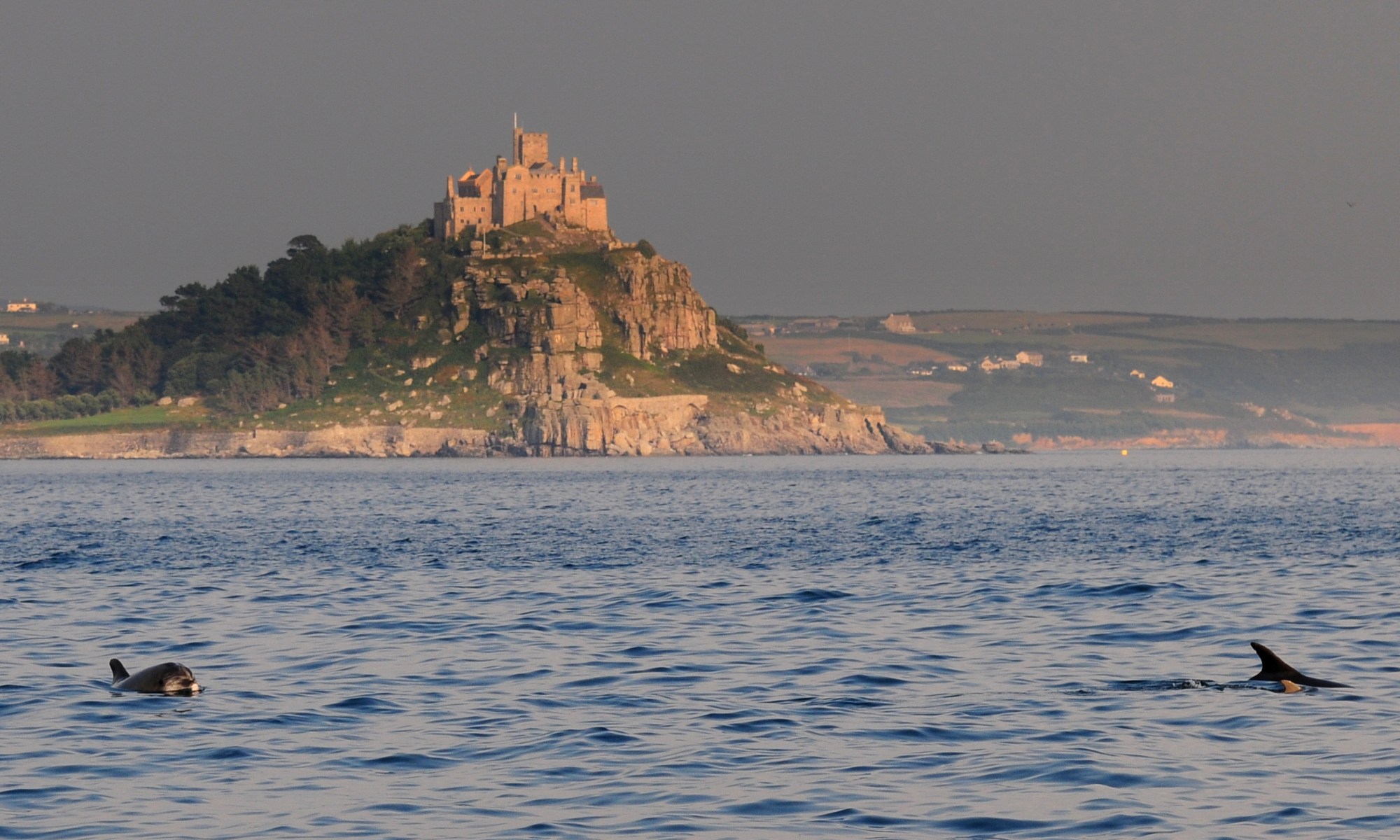

Passing through plenty of nature reserves and protected landscapes, the South West Coast Path is a haven for wildlife. With the sea by your side and cliff-top views aplenty, it’s no surprise that the Coast Path makes an excellent observatory for spotting marine life. To celebrate National Marine Week (27 July – 11 August), we’ve compiled this list of 8 impressive marine animals to look out for on your wanders.
1. Dolphins
When many think of keeping an eye out for coastal life, it’s dolphins that first spring to mind. There’s nothing quite like the excitement of seeing a cluster of silver fins cutting up and down in the near distance, and the South West Coast is known to be one of the best dolphin-spotting destinations nationwide.
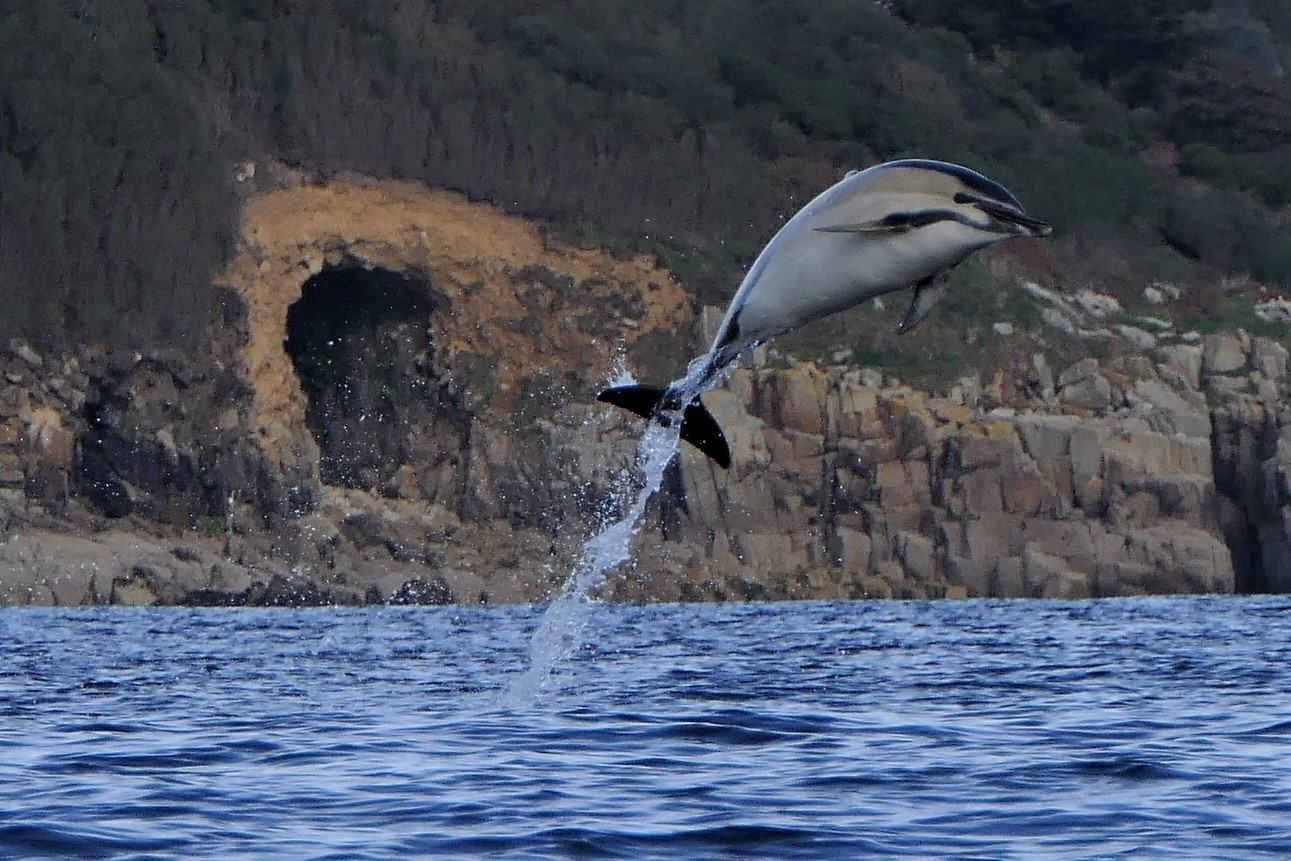
The most common species to observe from the path are Bottlenose Dolphins, followed by Harbour Porpoise. If you’re lucky, you may see the classic silhouettes of Common Dolphins, which occasionally travel from their natural offshore habitat to feed closer to land.
For Bottlenose Dolphins, the largest number of sightings take place in West Cornwall, with top spots including Land’s End, St. Ives Bay and Penzance Bay.
Harbour Porpoise are commonly spotted from the Devon Coast, especially Morte Point and Baggy Point in North Devon, as well as Berry Head in South Devon.
If you’re looking to spot Common Dolphins, South Devon is ideal, with Berry Head near Brixham being the most popular viewing point.
2. Seals
Another much-loved marine mammal that frequents our coastline, seals are inquisitive and fun-loving animals which are very enjoyable to watch. Of course, seal-watching often involves staring at a buoy or unsuspecting diver for an embarrassing while, but the excitement of seeing a friendly grey head bob on the surface makes it all worthwhile!
There are two species of seal which can be observed from the South West Coast Path: The grey seal and the common seal. Ironically, the common seal is the least common of the two in the UK, even though the grey seal is listed as a globally rare species!

Grey seals can be identified by their much larger bodies and heads, longer noses and lack of a forehead. Common Seals, also known as Harbour Seals, are much smaller than their Grey counterparts and have a rounder head and shorter snout. Frustratingly, the name ‘Grey’ doesn’t offer much help when trying to identify seals, as both species range in colour from brown to grey!

The most notorious region for spotting seals along the Coast Path is West Cornwall, where they ‘haul out’ onto land from September to January. Well-known locations for seal watching are:
- Mutton Cove, Godrevy Point
- Seal Island, St Ives Bay
- Land’s End
Take note: It’s important not to get too close to seals, no matter how tempting that ‘seal selfie’ might be. These are rare and sensitive animals, so although you should enjoy watching them, please remember to do so from a distance.
For more in-depth info about seals, listen to our interview with Sue Sayer MBE, Founder and Director of the Seal Research Trust.
3. Whales
Dolphins and seals seem to get a lot of the limelight, but whales can be an equally, if not more impressive marine mammal to watch! Minke whales are the most common species in UK waters, though the magnificent and dramatic humpback whale has also been seen from the South West in recent years.
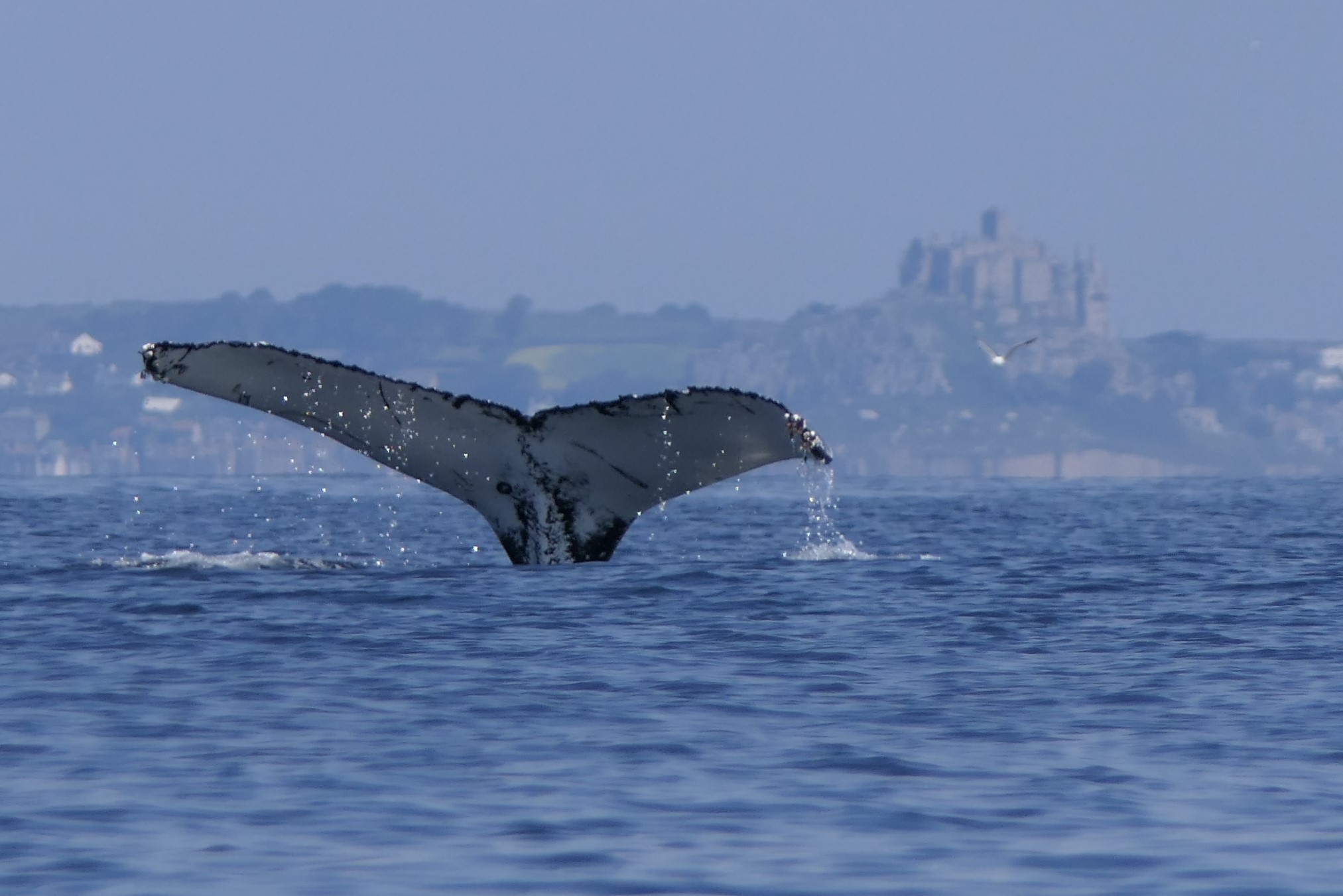
Minke whales can be as long as 10 meters, with a small, sickle-shaped dorsal fin which sits far back on their body. Humpback whales can mainly be identified by their sheer scale, measuring up to 18 meters long. These are rare to see from the Coast Path as they prefer staying in deeper waters, but are easily spotted when they burst explosively through the surface. Witnessing this is a once-in-a-lifetime event, and something truly magical to experience in person.
Like dolphins, Minke whales are most common in West Cornwall during the summer months. They’re sighted everywhere from St Ives to Falmouth, with the point of Land’s End being a firm favourite. Humpback whales, on the other hand, are present during the winter months from November to March.
If you’d like to find out more about seeing a humpback whale in all its glory, this blog by Cornwall Wildlife Trust is a fascinating read.
4. Tuna
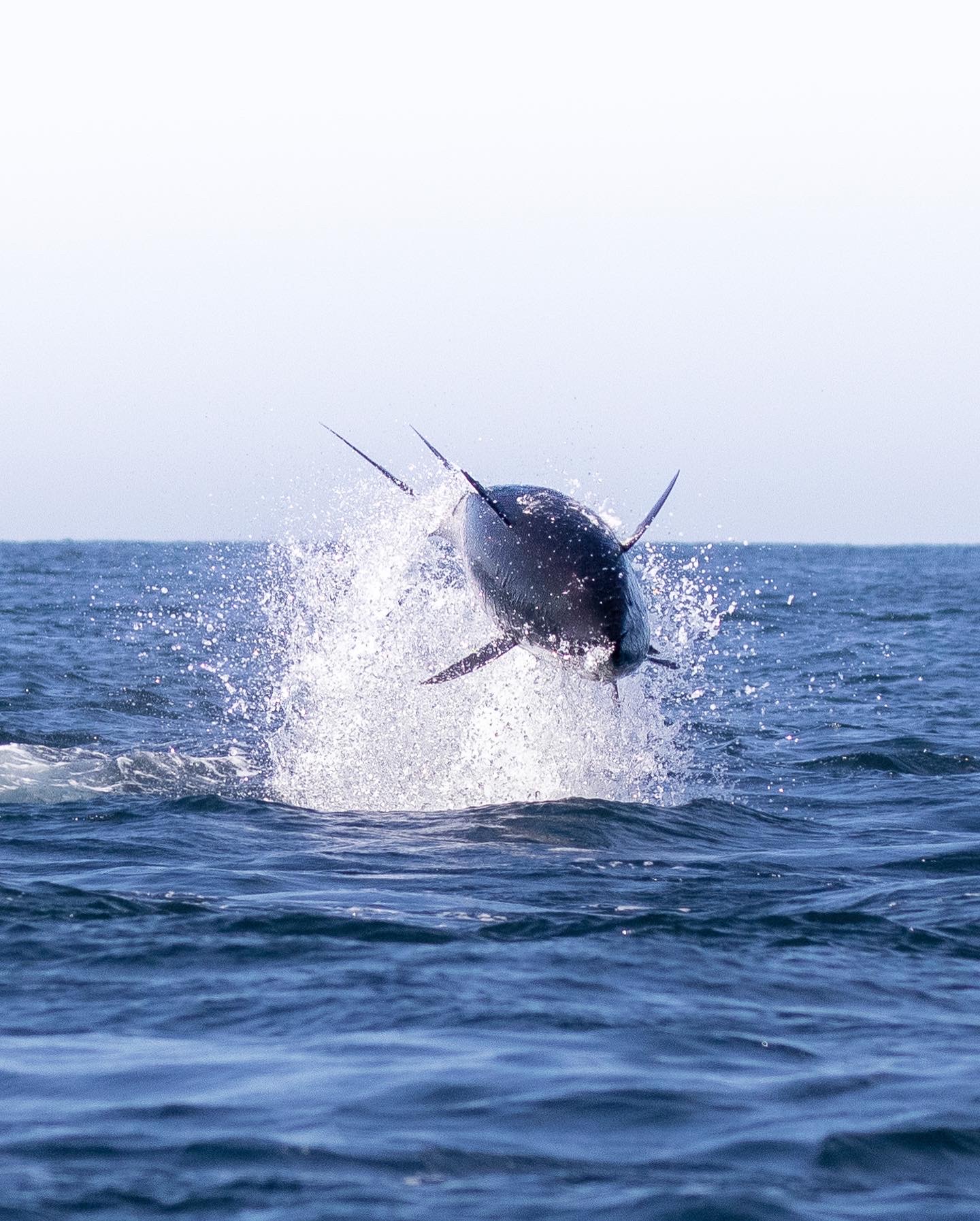
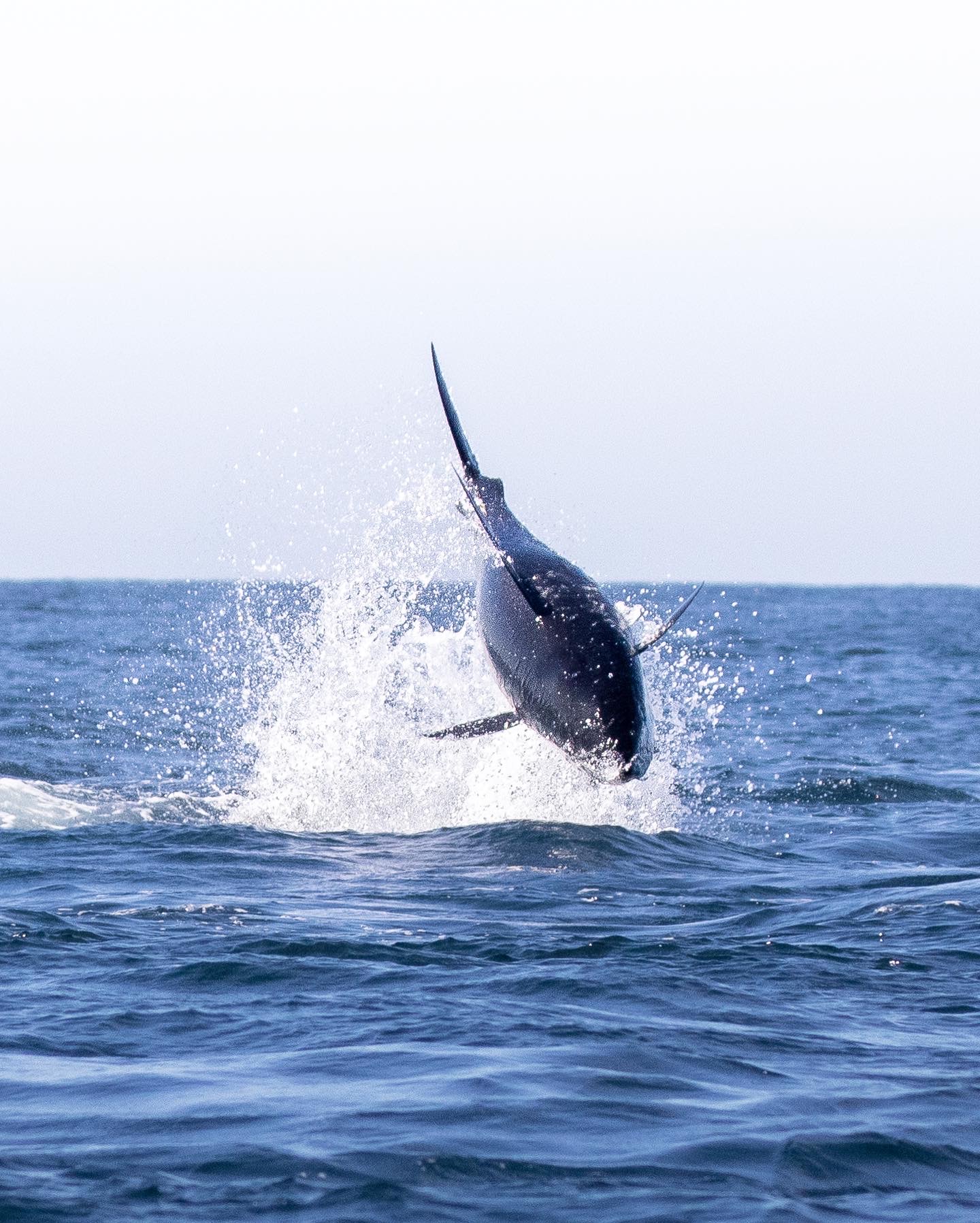
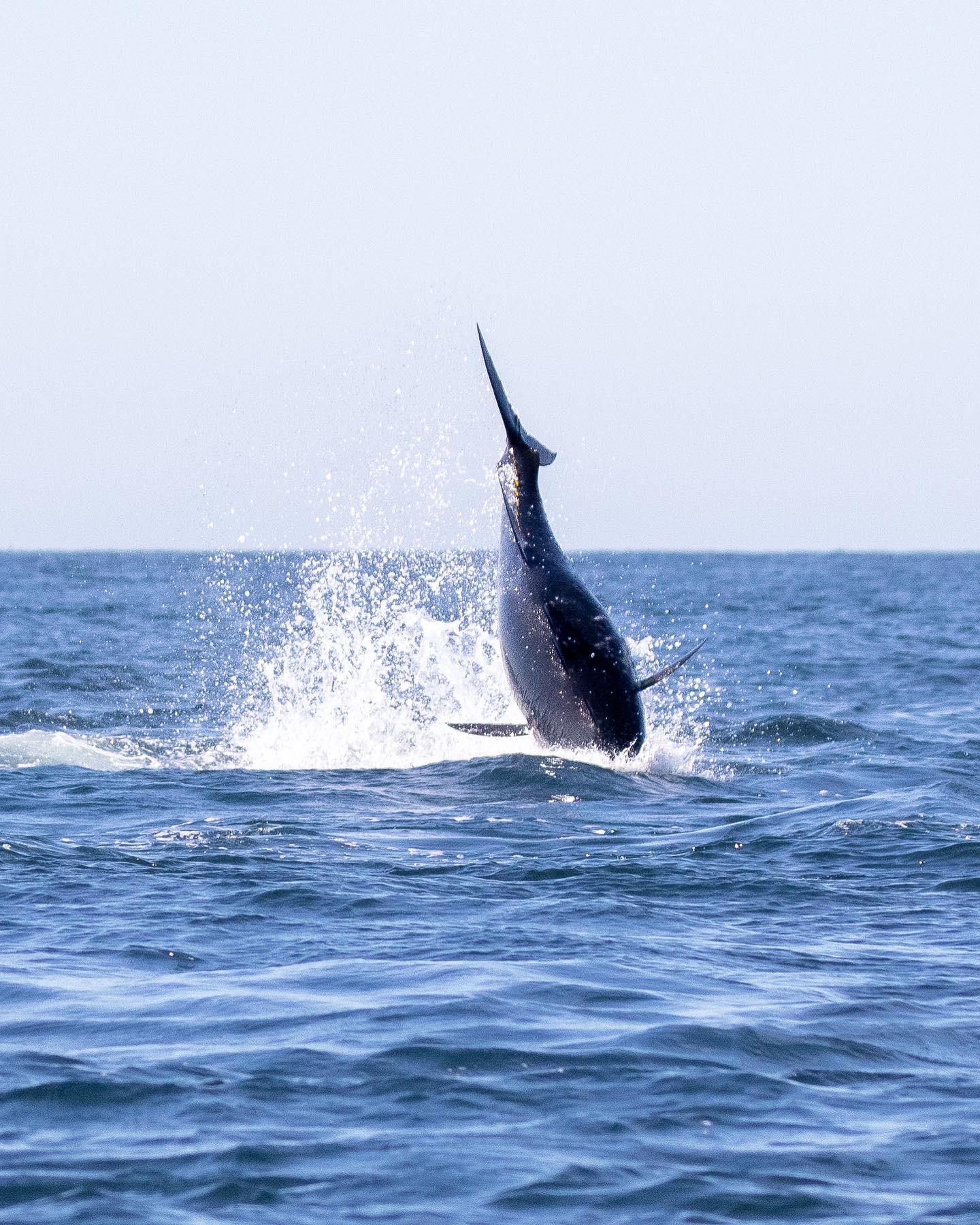
Atlantic Bluefin Tuna are majestic fish native to UK waters, which have only recently returned after a long spell away from our shores. These apex predators sadly disappeared from around our coast at one point due to overfishing, but following a long period away, have made a return over the last 10 years or so.
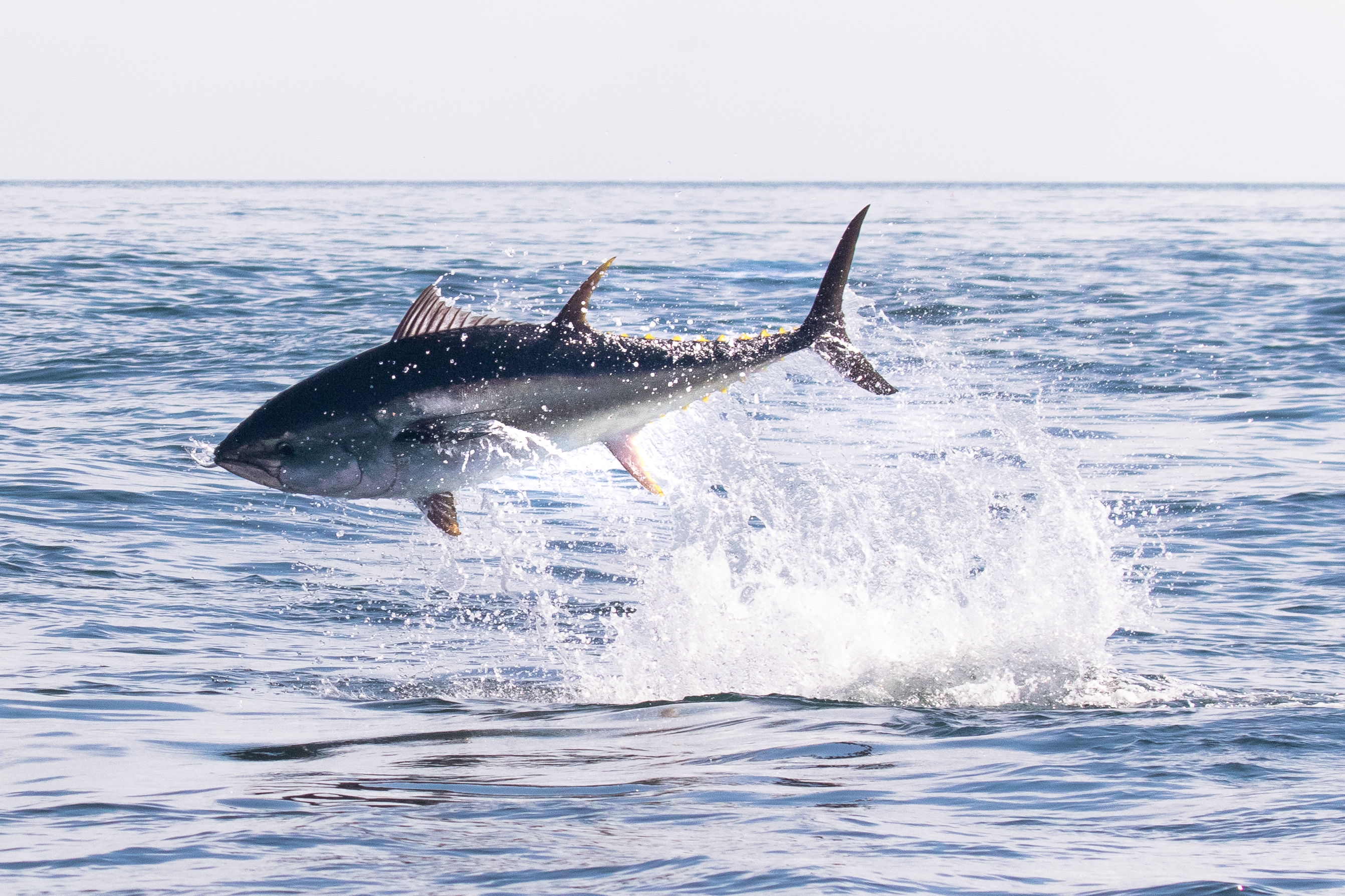
Bluefin tuna are very large fish that measure up to 10 feet long, meaning they can easily be mistaken for dolphins from the shore. However, a clear dark blue stripe along their backs can help you pick them out, as well as the way they breach the water when hunting smaller fish. There are plenty of videos online of tuna jumping along Cornwall’s coast; watch enough of these and you’ll know what to look out for!
You’re most likely to see tuna in Cornwall during the warmer summer months, with regular sightings at Land’s End and St Ives.
5. Basking Sharks
If spotting big fish is what you’re interested in, seeing a basking shark from the Coast Path is sure to get your heart racing. These endangered fish make tuna look like small fry, measuring up to 10 meters long and weighing up to an impressive 6 tonnes. Unlike tuna, basking sharks don’t hunt other fish; they feed on zooplankton by opening their enormous bucket-like mouths and scooping up these microscopic critters in great numbers.
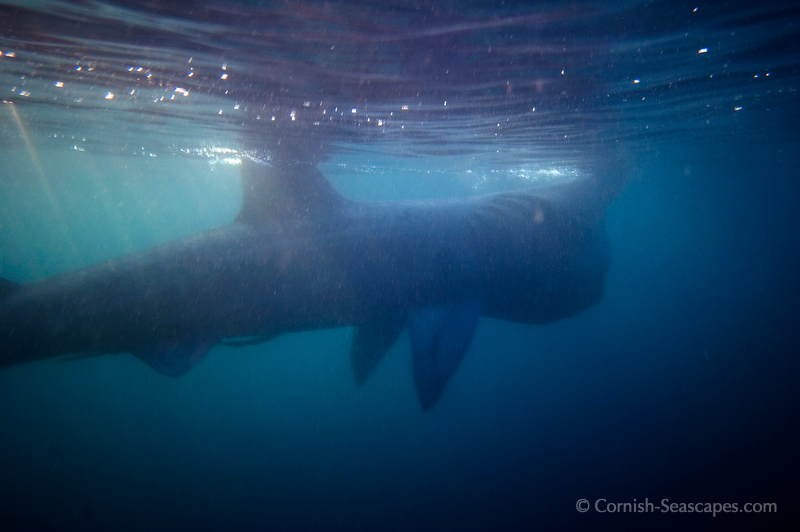
Photo by Mike Newman @Cornish-Seascapes.com
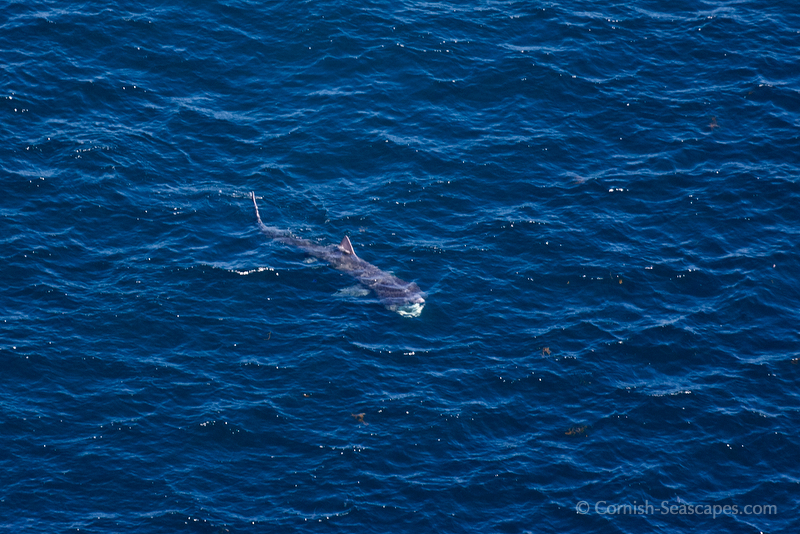
Photo by Mike Newman @Cornish-Seascapes.com
If you manage to see a basking shark for yourself, the stand-out feature will be its large, black, triangular dorsal fin cutting through the water. These can measure up to 2 meters long, so if basking sharks are feeding on the surface, you’ll have a good chance of spotting them!
Basking sharks come to the Cornish Coast in the late spring to feed. It’s somewhat rare to spot them from the cliffs, but your best bet on the Coast Path is in the far West of Cornwall. The top locations are Porthcurno, Sennen and, again, Land’s End.
6. Sunfish
A fascinating and almost comical fish to watch, sunfish are unlike any other marine animal on our coast. These bizarre and bulky fish can often be seen from cliffs as they float on the surface, warming their bodies in the sun after swimming in deeper, colder waters.
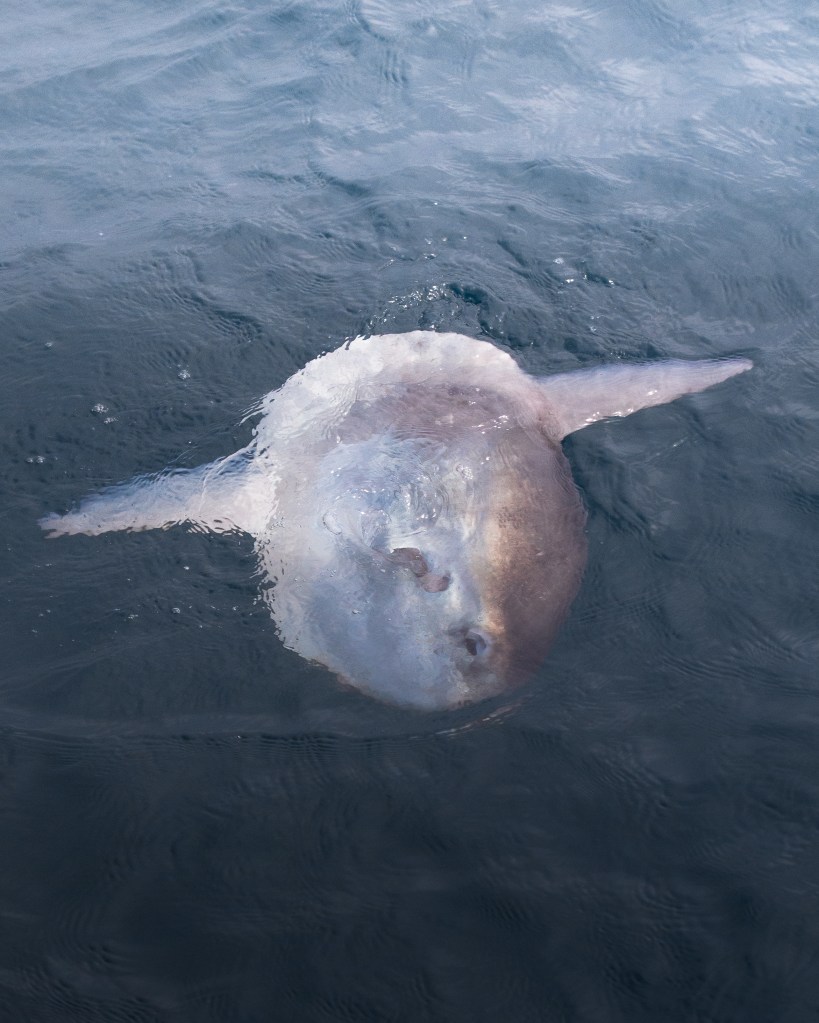
When identifying a sunfish, you’re unlikely to mistake them for anything else – they look remarkably like a large, round head gleaming in the sunlight.
They also have 2 fins which they use to steer, which can sometimes be seen flailing around on the water’s surface.
This can be both interesting and bizarre to watch, making spotting a sunfish a truly unique experience.
Sunfish Photo by Josh Wilson
Similarly to other fish on this list, Sunfish are most often seen in the summer as they prefer warmer waters. They’re often sighted in West Cornwall but are present across most of the South West, so your best bet is simply getting out on the Coast Path and keeping one eye on the sea!
7. Seabirds
We couldn’t talk about the SWCP’s amazing array of wildlife without mentioning seabirds. There are a large number of seabirds that can be observed from the Coast Path, from the common to the very rare, and certainly more than this small section can do justice. You can read more about specific breeds in the Wildlife Trust’s pages on seabirds in Devon and Cornwall.
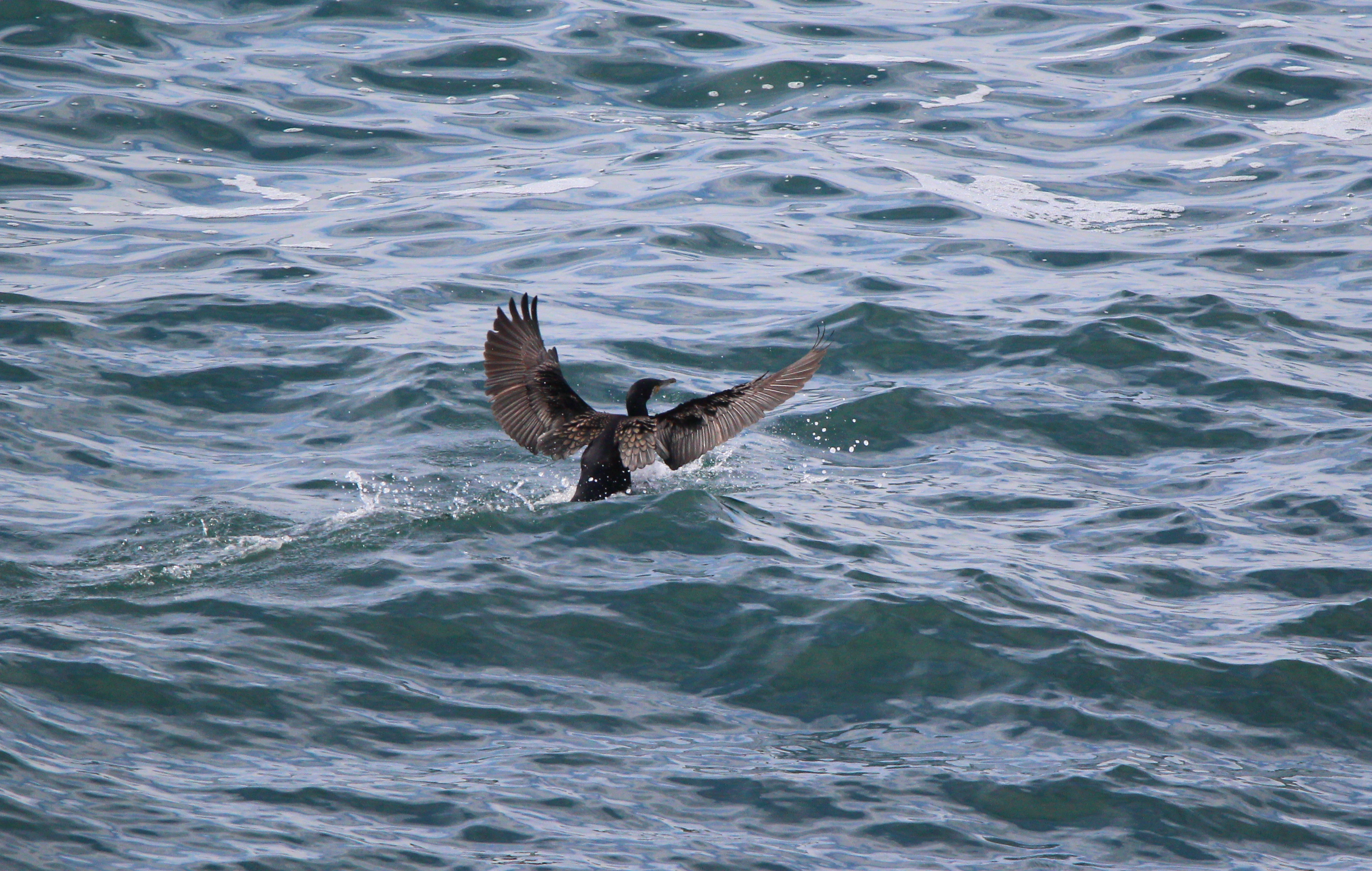
Breeds to look out for include gannets, fulmars, kittiwakes, shags, razorbills, shearwaters, terns, and, if you’re lucky, puffins.
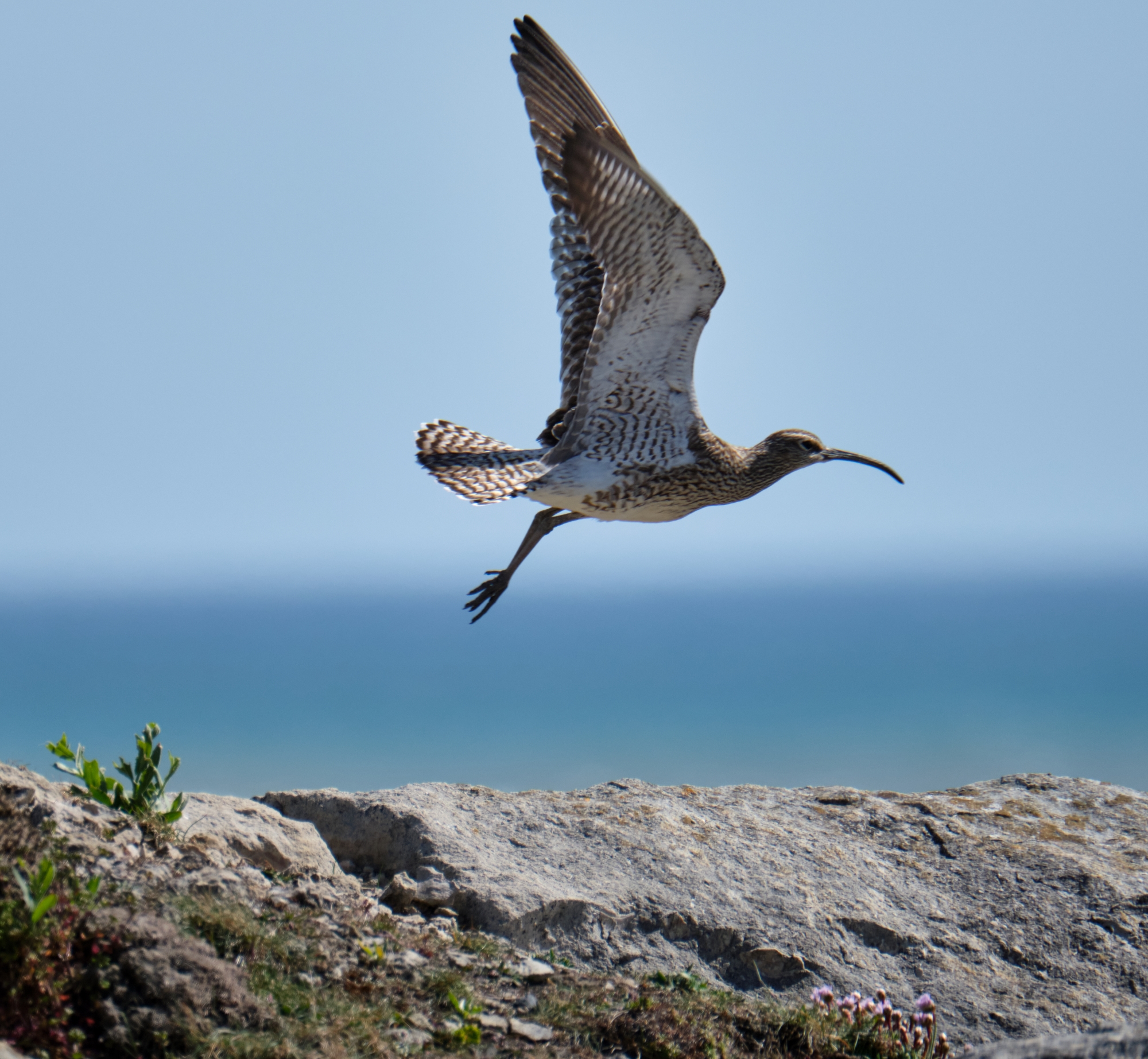
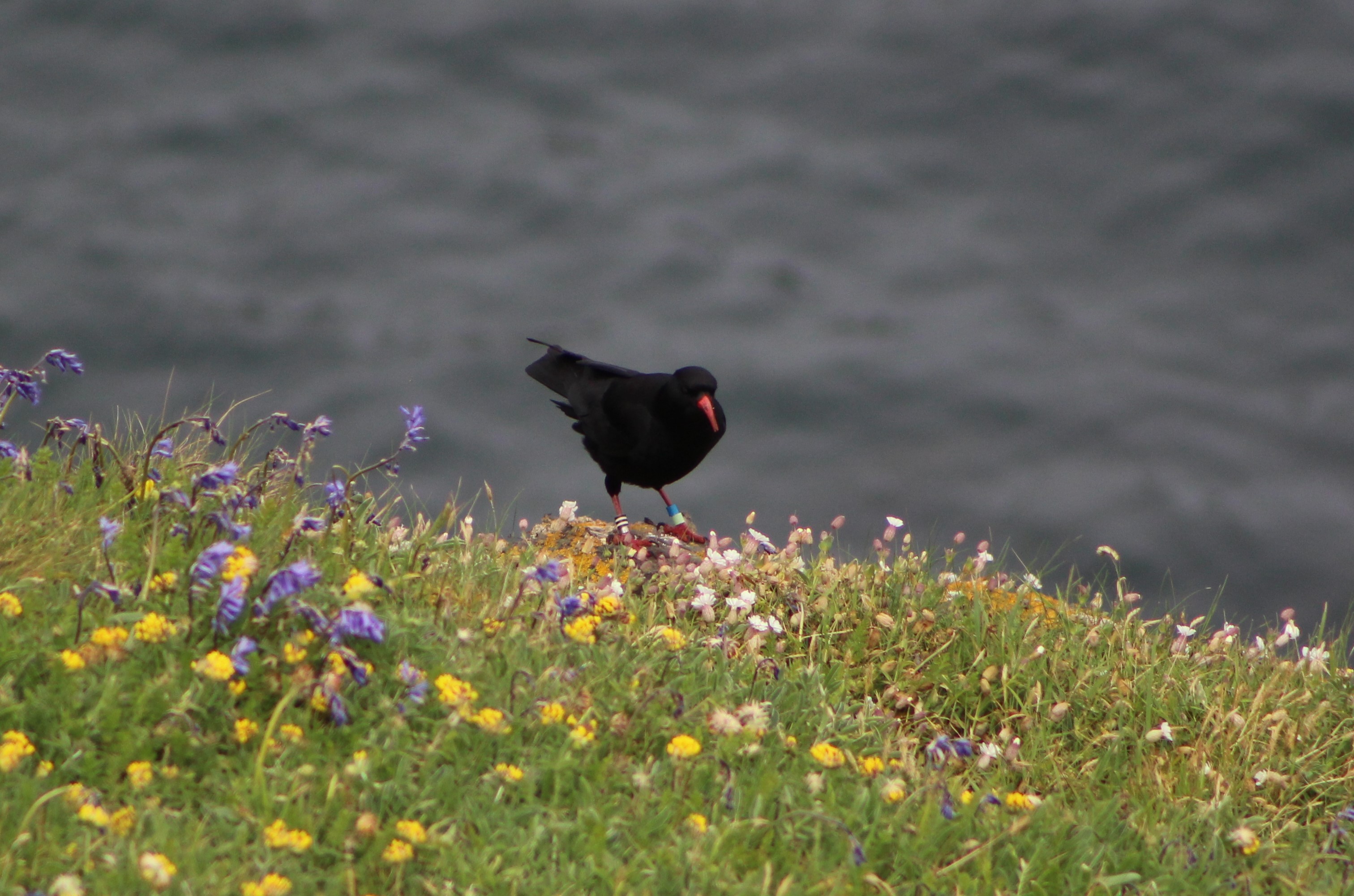
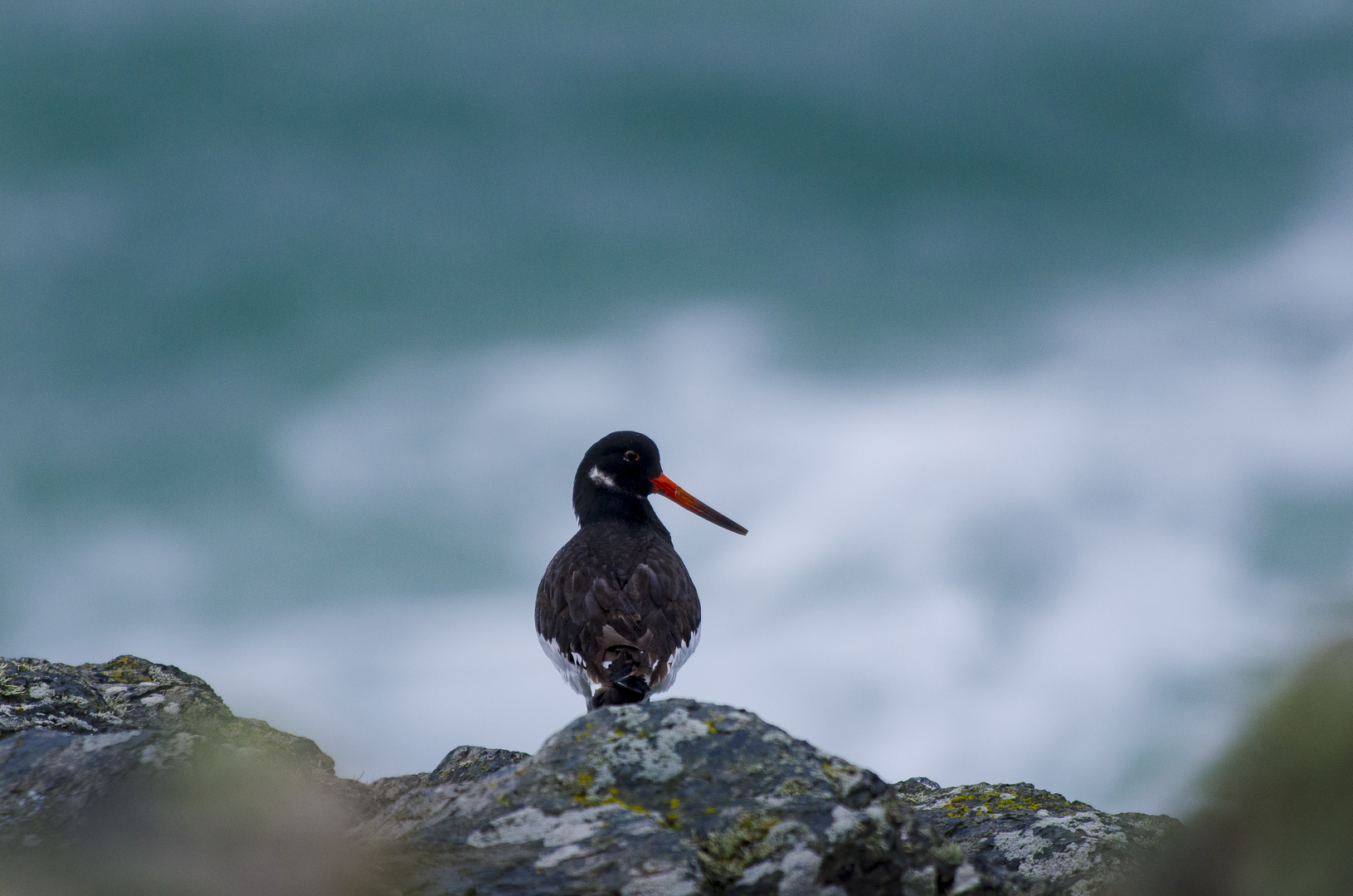
Many seabirds return to our shores during spring for the warmer months, after a long period of migration. With plenty of nature reserves along the Coast Path, soaring seabirds are never far away, but here are a few of our favourite sections for bird watching:
- Gwennap Head, West Cornwall for shearwaters, skuas and petrels
- Newquay, North Cornwall for kittiwakes, terns and occasional storm petrels migrating south in Autumn
- Lizard Point, West Cornwall, where the National Trust’s Wildlife Watchpoint is ideal for watching guillemots and the occasional puffin
- The Rumps, near Padstow for a chance to see puffins
- Braunton Burrows, North Devon for bitterns, herons and even ospreys
- Baggy Point, North Devon for nesting cormorants and shags
- Berry Head, South Devon for a range of seabirds, including critically endangered balaeric shearwaters
8. Crabs and Crustaceans
Perhaps forgotten when talking about huge whales, adorable seals and majestic predatory fish, the South West’s wide array of crustaceans are equally interesting in their own right! Key species to look out for are edible crabs, spider crabs, velvet swimmers, hermit crabs, squat lobsters and prawns. You can view the Devon Wildlife Trust’s list of crustaceans to spot here.
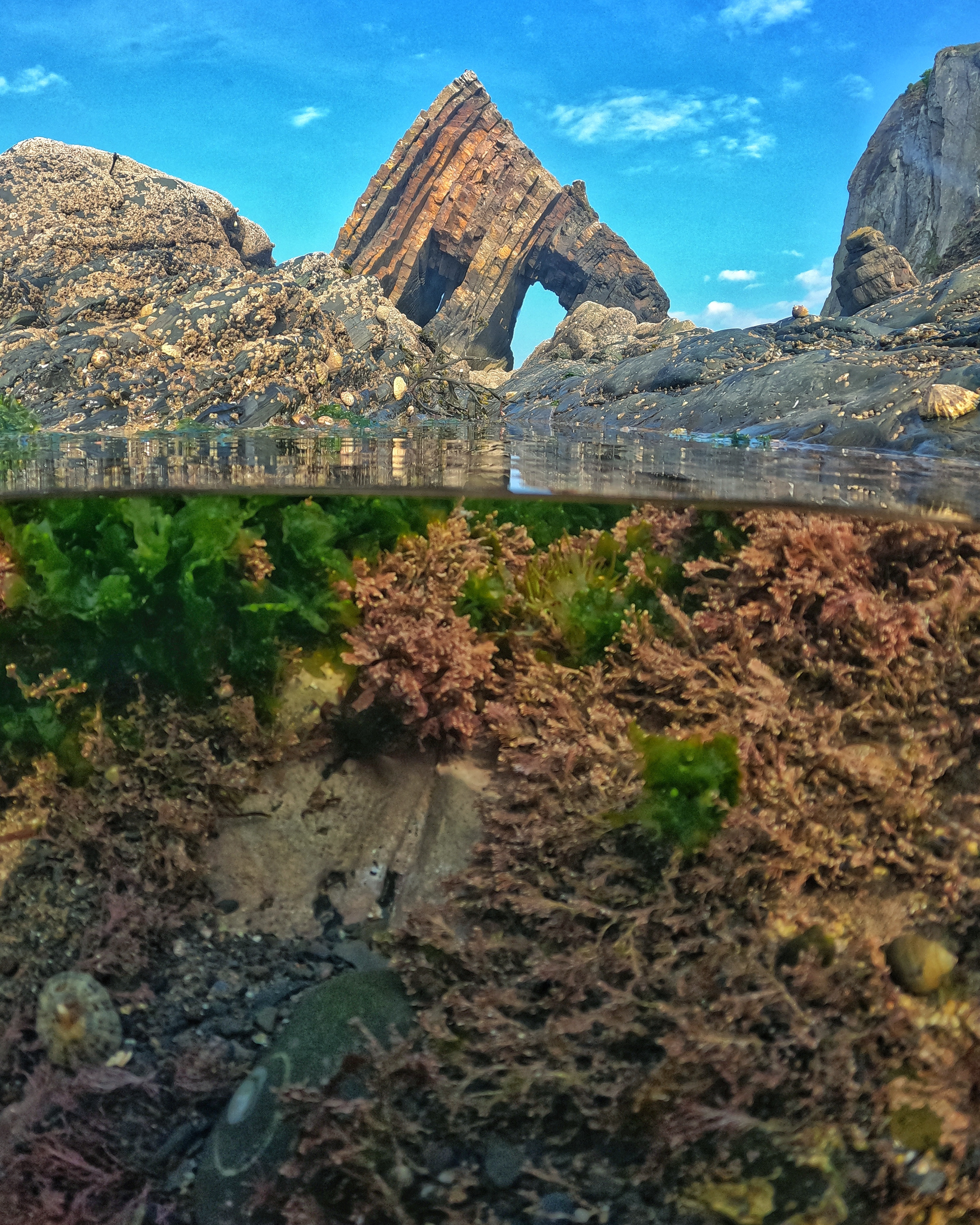
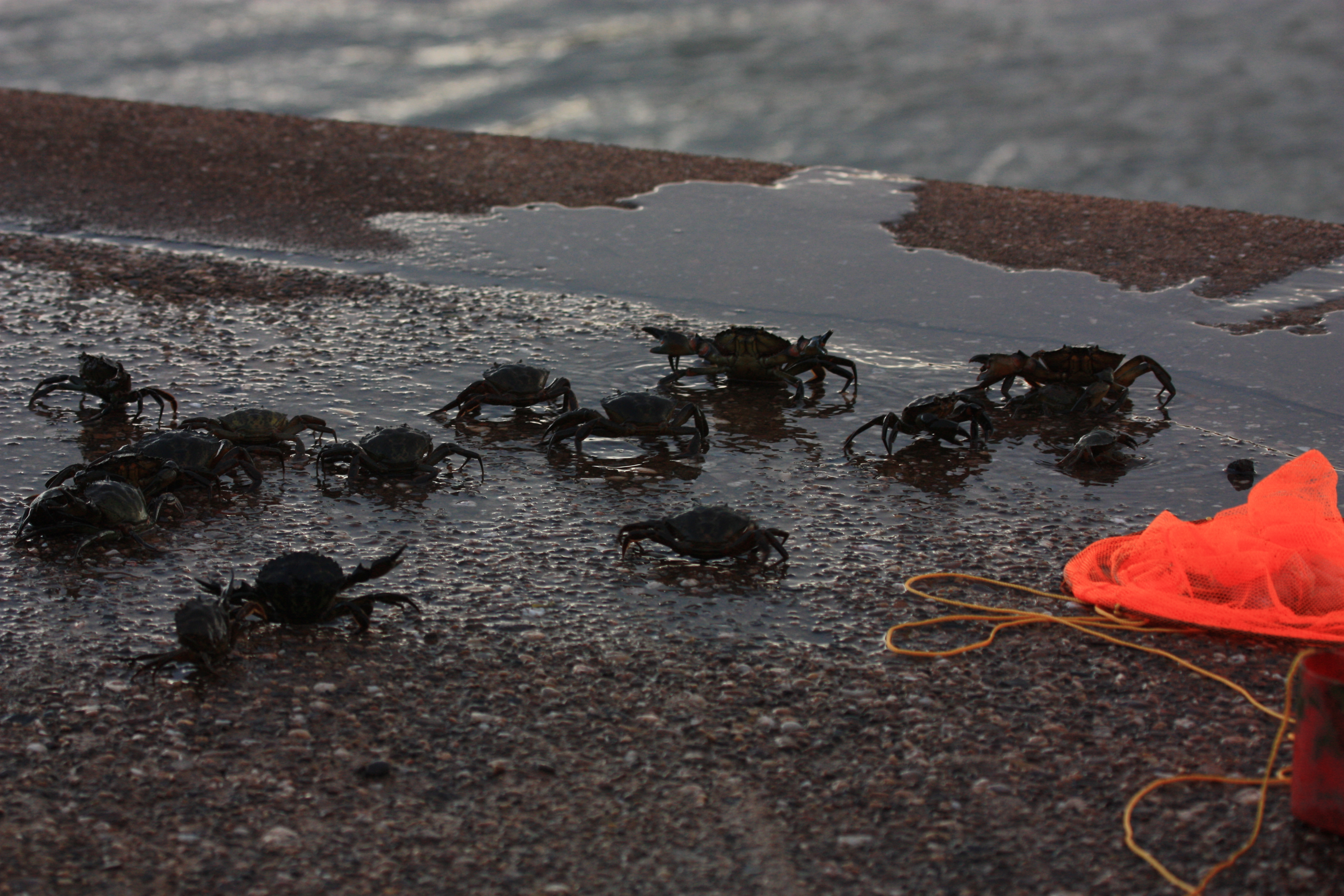
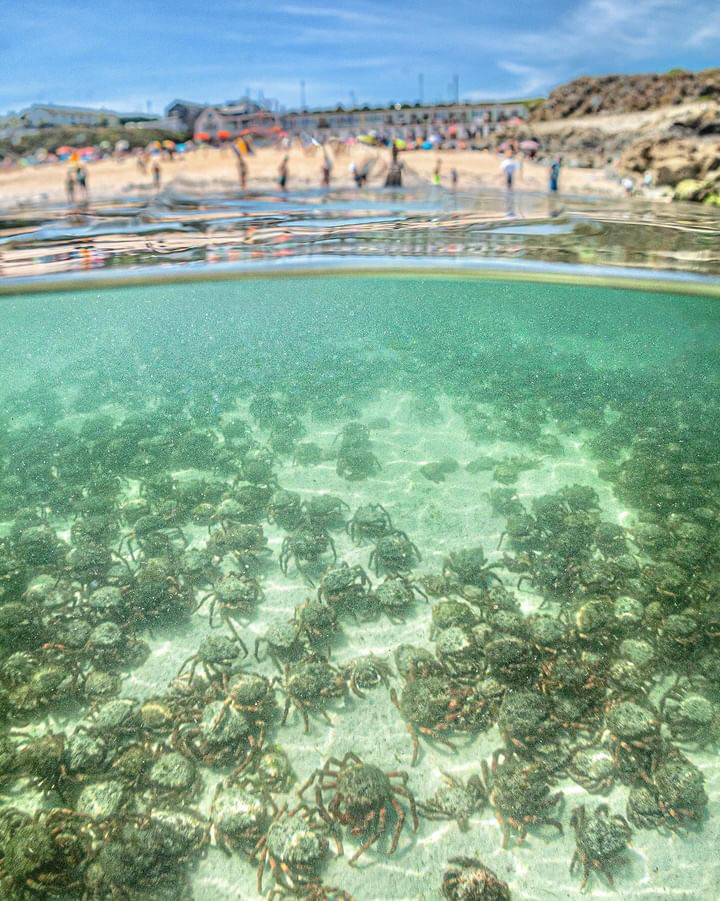
Rockpooling is an excellent way to see some of our smaller and more shy marine animals, and makes a free and wholesome day out with kids. Wembury Bay, South Devon, is argued to be the South West’s best beach for rockpooling and is home to Wembury Marine Centre. Here you’ll find fascinating exhibitions, as well as a range of wildlife walks and events.
Time to get spotting!

Written by Barney Munn
SWCPA communications volunteer
 The South West Coast Path