


As the seasons change, we are often reminded of the rhythms and cycles of nature. The South West is home to a number of rare and endangered communities, supporting a variety of bird, plant and insect life throughout the seasons. During winter in particular, our focus is drawn to the skies, with migrant winter birds arriving in their thousands in search of food and more temperate weather conditions. It’s a welcome reminder that as we slow down and lean into these winter months, life continues around us in mesmerising ways.
A unique habitat for wildlife
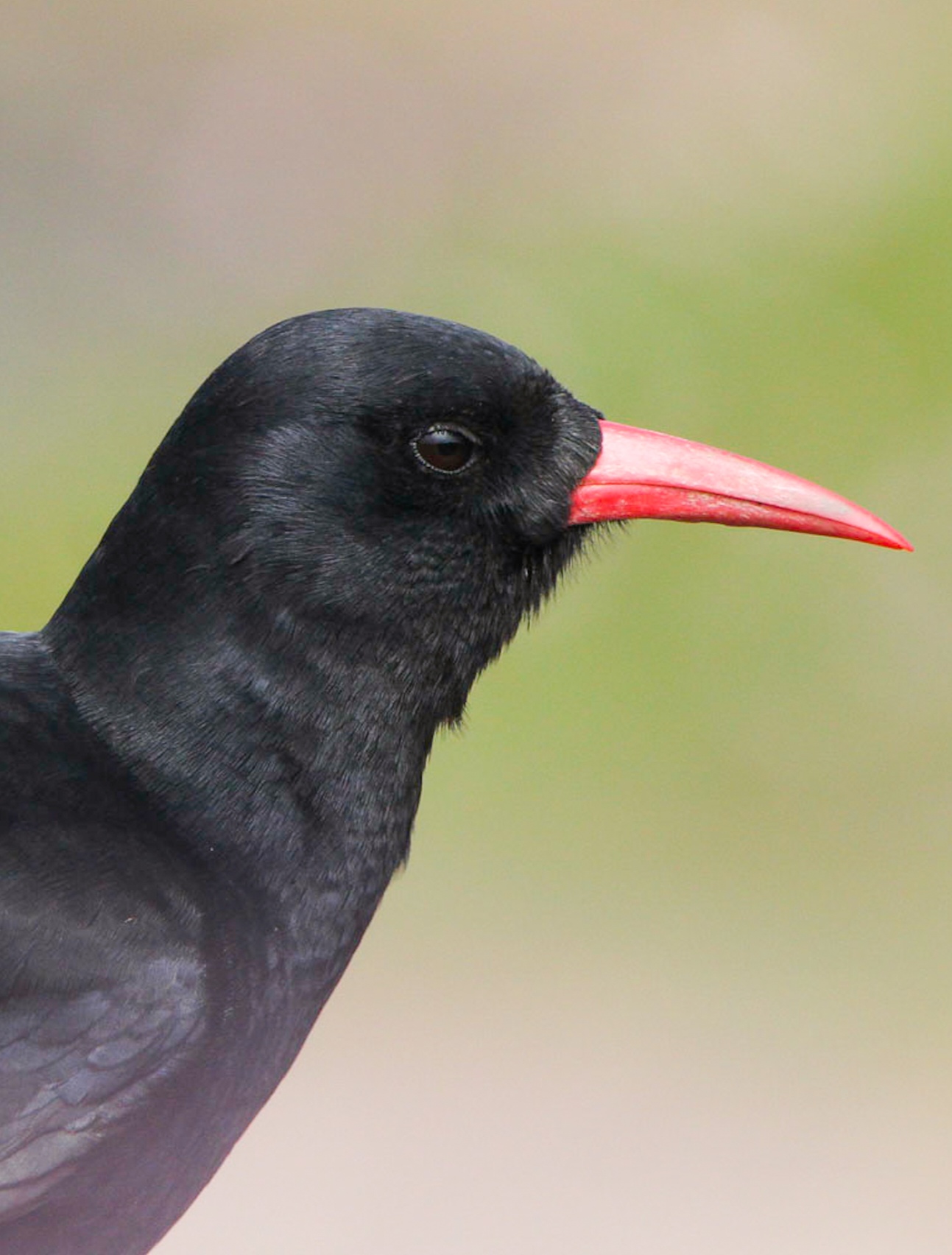
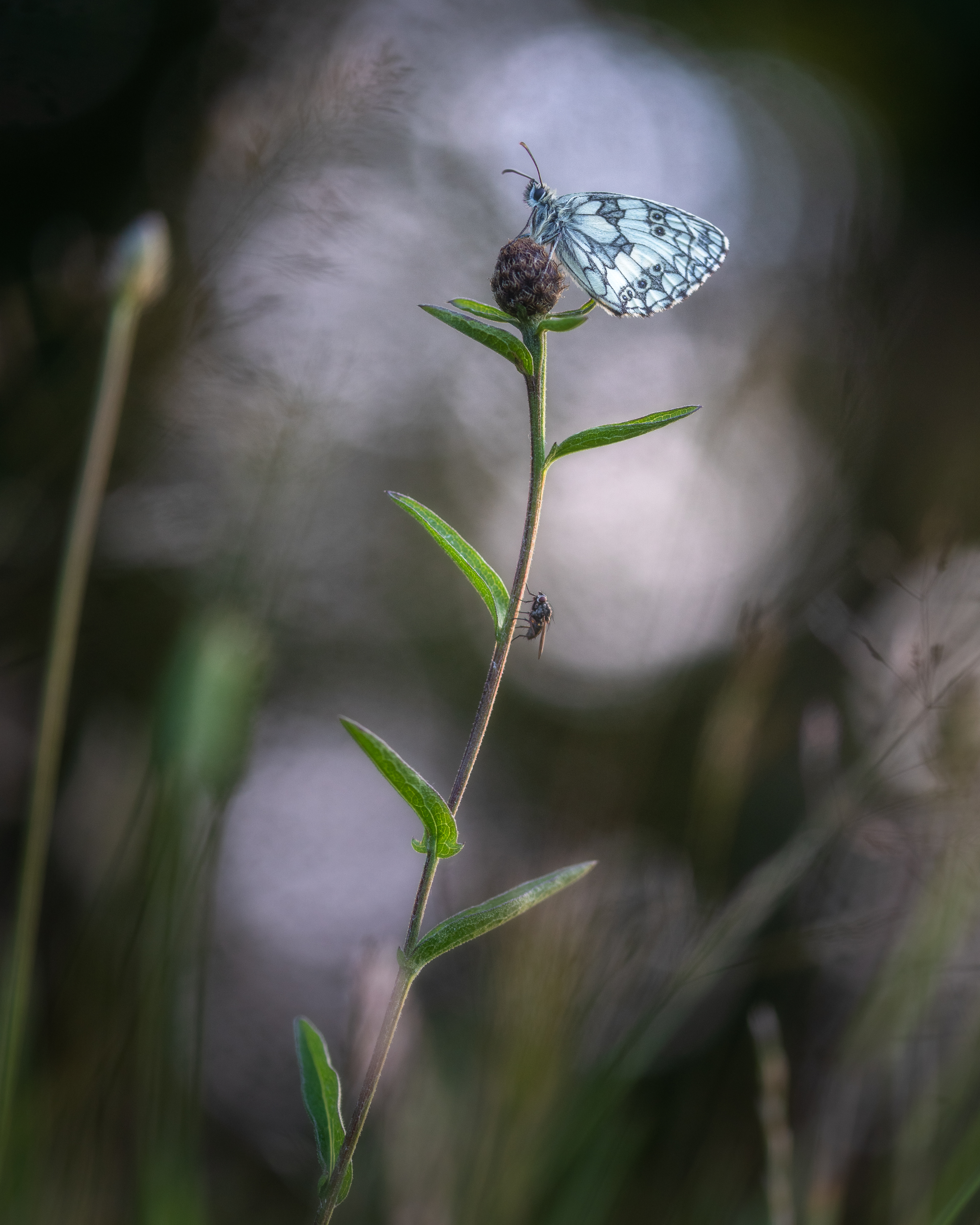
The South West is home to a variety of bird, plant and insect life which are supported by the coastal wildlife corridor. Grassland, heathland, moorland, woodland, sand dunes, mudflats, coastal cliffs and saltwater marsh all play a role in supporting biodiversity along the coastal margin, providing an opportunity to play witness to threatened species and rare wildlife such as the Marsh Fritillary butterfly, the Brown-Banded Carder bee, the Cornish Chough, Peregrine Falcon and Cirl Bunting, whose population is found only in South Devon.
Birdwatching on the South West Coast Path
Birdwatching is particularly lucrative in the winter months, with a number of prime birdwatching locations on and near to the South West Coast Path that come alive at this time of year.
The Exe Estuary, Devon
Devon’s Exe Estuary is at its best during the winter, with over 20,000 wading birds, ducks, geese and avocets making the Exe their winter home. There are several coastal walking routes along the Exe Estuary, that can be combined with paying a visit to coastal villages and towns, such as this easy 5.9 mile walk from Dawlish Warren to Starcross beginning at the beautiful, internationally protected Nature Reserve and following the western bank of the Exe with views across to the bustling town of Exmouth and Lympstone village.
The Dawlish Inner Warren Nature Reserve is one of the South West’s best birdwatching locations, its mudflats providing a valuable refuge for thousands of over-wintering and migratory waterfowl. During the winter months, look out for the black tailed godwit, brent goose, ringed plover, dunlin, grey plover, Slavonian grebe, red-breasted merganser, oystercatcher, wigeon and teal. Not forgetting, of course, the spectacular starling murmurations, with thousands of starlings swooping and diving over Dawlish Warren in fascinating synchrony from November onwards.
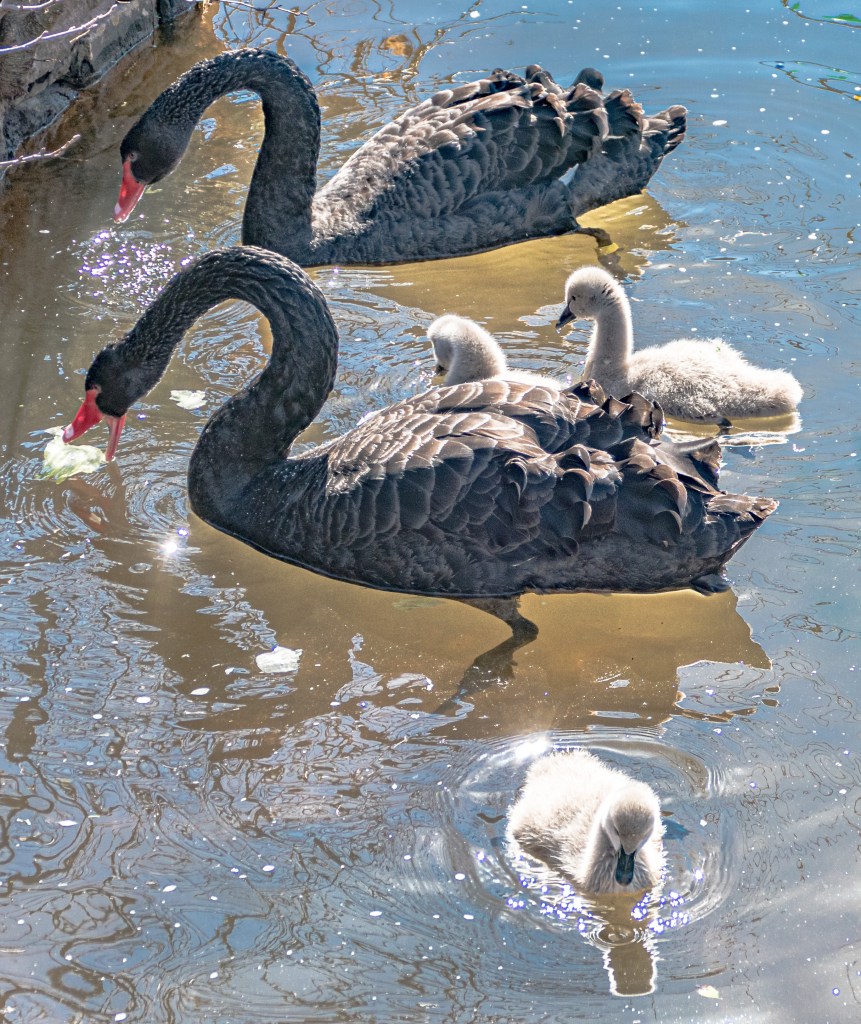
Photo: Geese and goslings at Dawlish by Norman Price
The Otter Estuary, East Devon


The River Otter Estuary, located on this easy to moderate 12.5 mile walk from Exmouth to Sidmouth, is a fascinating 33-hectare site of Special Scientific Interest (SSSI) and is part of the Pebblebed Heaths National Nature Reserve, after being declared as part of the King’s Series NNR by Natural England in February this year. The estuary’s fine saltmarsh habitat supports a wide range of saltmarsh communities, which together with additional areas of reed bed, tall herb and scrub support high numbers of breeding and over-wintering bird species. Earlier this autumn, two young ospreys were sited on the Estuary as a final stopover on their way to wintering grounds in Africa, almost a year after the River Otter was reconnected to its flood plain as part of the Lower Otter Restoration Project. The South West Coast Path travels alongside the project, which has significantly increased the size of the intertidal area of the estuary, with bird-watching areas dotted along the path. Stop for a moment on your walk, before leaving the path and climbing the red sandstone cliffs towards Sidmouth.
RSPB Marazion Marsh, West Cornwall
RSPB reserve Marazion Marsh, another designated SSSI on the Coast Path, boasts Cornwall’s largest reedbed and is a fantastic place for spotting some of Britain’s most intriguing wildlife, with more than 250 bird, 500 plant, 500 insect and 18 mammal species on record at this RSPB reserve. Follow the St Michael’s Way through the reserve and take in the iconic backdrop of St Michael’s Mount and its bay on this moderate 6.8 mile walk to Penzance via Marazion Marsh.

The marsh is made up of wetland features, willow scrub and grassland and is home to a number of wetland birds, drawing both resident and seasonal birds to the area. This reserve is particularly popular for its over-wintering birds—keep a watchful eye for egrets in the autumn and the fantastic murmurations of starlings during the winter. If exploring the Marsh from the Coast Path, head to the Mount for a bite to eat and finish up your walk by visiting Penzance’s many galleries, cafes and shops.
RSPB Isley Marsh, North Devon
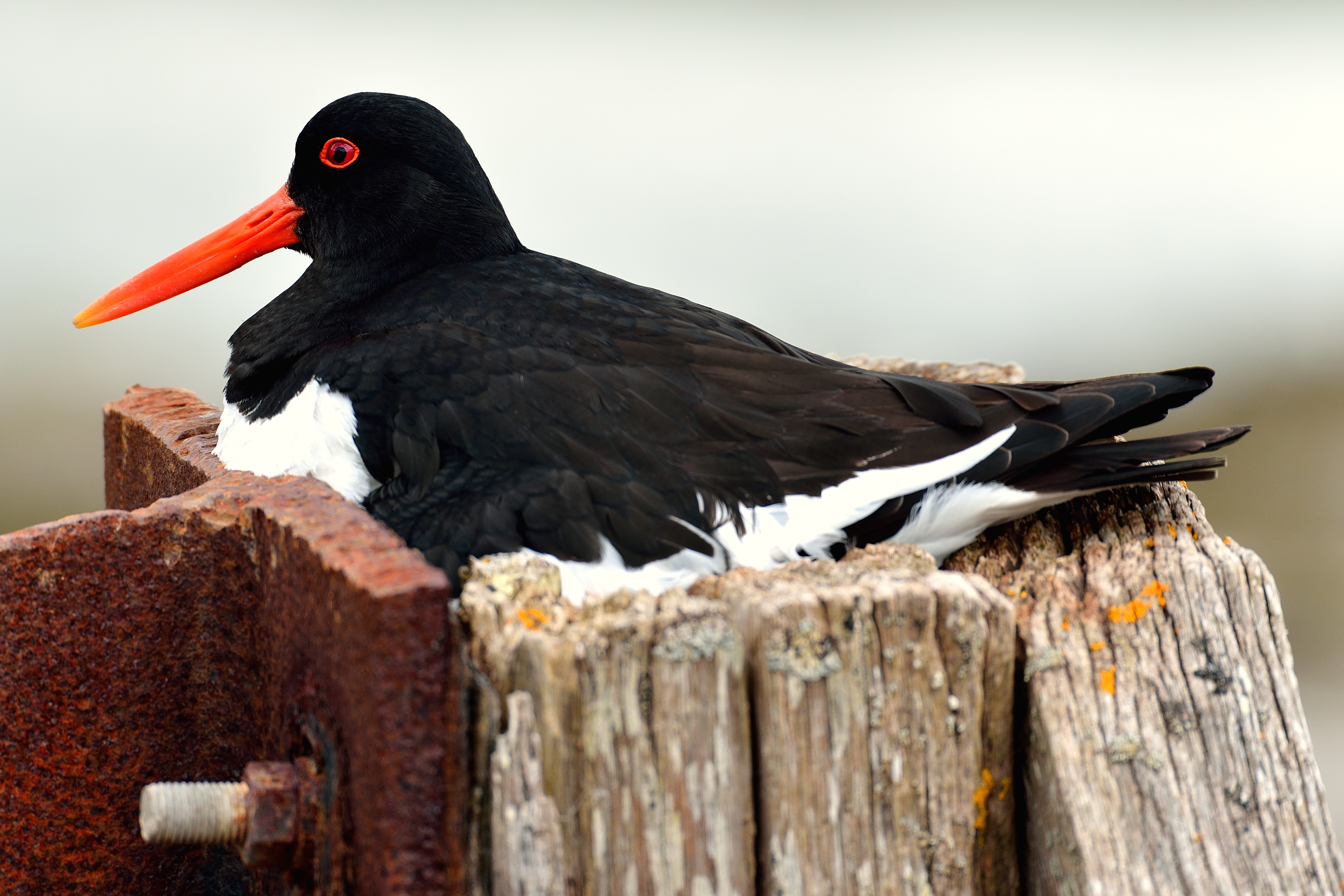
Along the western edge of the Taw Estuary is the RSPB Isley Marsh reserve, which sits within an area of Special Scientific Interest. The reserve is an important haven for birdlife, supporting undisturbed feeding, resting and sheltering birds, particularly during the winter months with wintering flocks of ducks and waders. The popular Tarka Trail, which the South West Coast Path picks up from Barnstaple, runs alongside the south side of the Isley Marsh reserve, offering fantastic views of the birdlife from outside of the marsh, allowing birdlife to flourish undisturbed by pedestrians and cyclists. Stop along the route of this easy 16.1-mile walk from Braunton to Instow and keep an eye out for Curlew, Greenshank, Dunlin and Spoonbills on the saltmarsh and intertidal mudflats.
 The South West Coast Path