
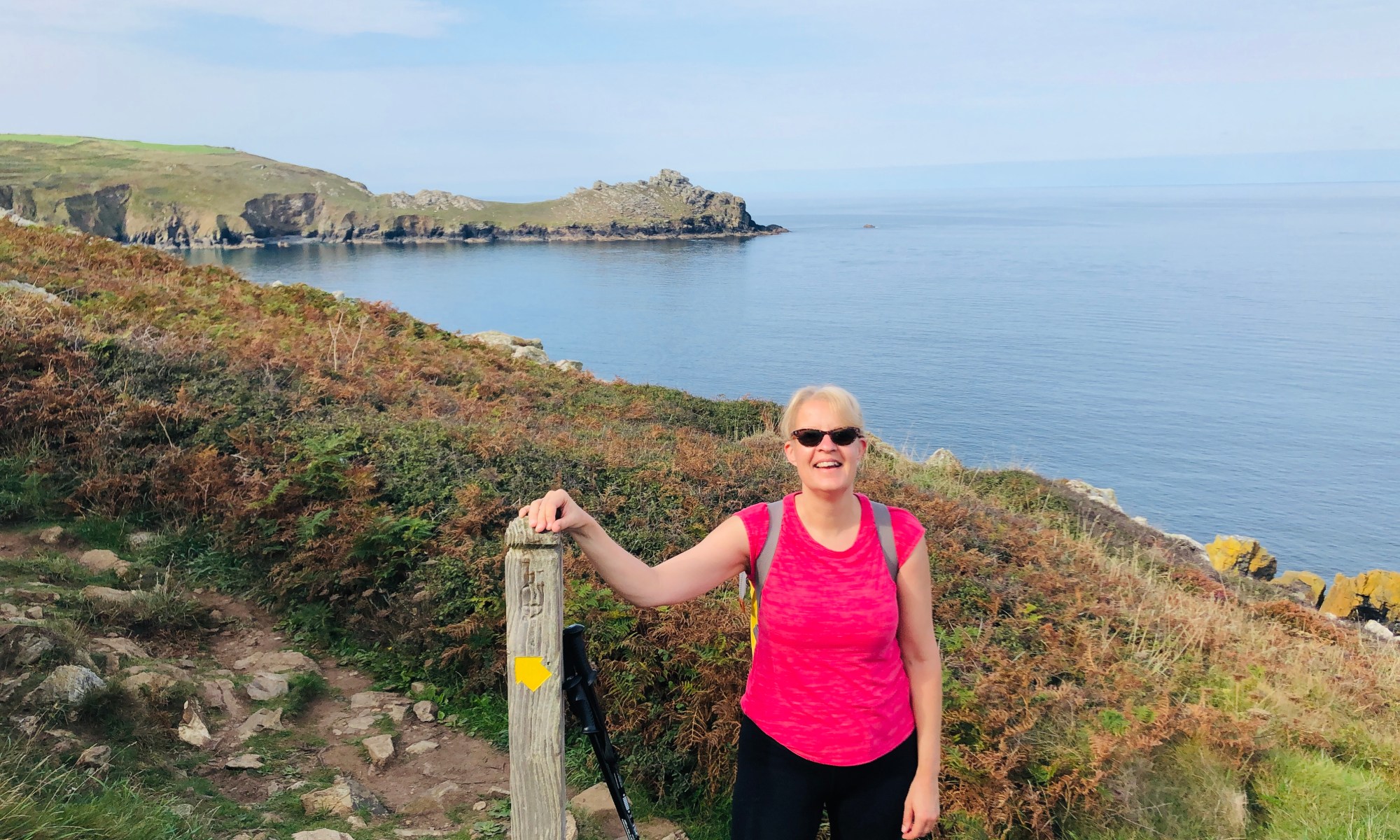

Hilary, Chair
What inspired you to get involved with the SWCPA, and what role do you currently play as a Trustee?
When I applied to become a Trustee of SWCPA, women were very underrepresented on the Board. I’m delighted that we have addressed that imbalance, and that we now actually have a majority of women Trustees. I retired as a Chartered Accountant 5 years ago and had become an empty nester looking for new challenges, of which walking the 630 miles was one, and at this point I saw that the Association was looking for new Trustees, in particular women, and that an accountancy qualification was a priority. So here I am, a Trustee of over 4 years, having served as Treasurer and now as Chair. As a woman I have tried to create a more empathetic and collaborative Board environment.
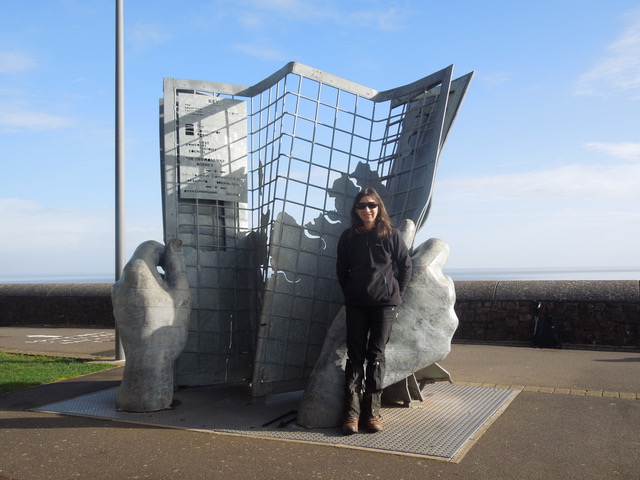
Ruth, Trustee
What inspired you to get involved with the SWCPA, and what role do you currently play as a Trustee?
I walked the entire SW coast path during my late 40s which was an amazing opportunity. After, I was encouraged by a friend to apply as he’d heard the charity was keen to diversify the type of people on its board. I currently sit on both the Path committee and Finance/HR boards. I am a scientist and my background is mapping and surveying – environmental conditions, climate change, etc.
How does your experience as a woman in leadership influence your approach to the charity’s work and decision-making processes?
I have worked in male dominated environments my whole life and it’s only now that I’m in on a board where there is a pretty even share of women/men – how refreshing! Previous boards I’ve been part of, where I’ve often been the only woman, have always been dominated by the loudest voice. At SWCPA, it’s great that everyone is listened to and their contribution valued.
“Reach out to women to support and mentor you – I had a couple of great role models who made me realise that being female could still mean successful, without having to embrace a testosterone-like style of management.”
What advice would you give to other women seeking to make an impact in their careers or volunteer work, particularly within male-dominated sectors like conservation?
I don’t see conservation as very male dominated (look at the current President of the CPRE). However the more ‘hard core’ science it is, the fewer women there are. I would advise that you follow your heart – only enter an industry if you’re passionate about it. If you are, you still likely stay. Know your stuff and be credible. Reach out to women to support and mentor you – I had a couple of great role models who made me realise that being female could still mean successful, without having to embrace a testosterone-like style of management. Many women lack belief in themselves and it’s important they are supported (both by women and men) to achieve their amazing potential.
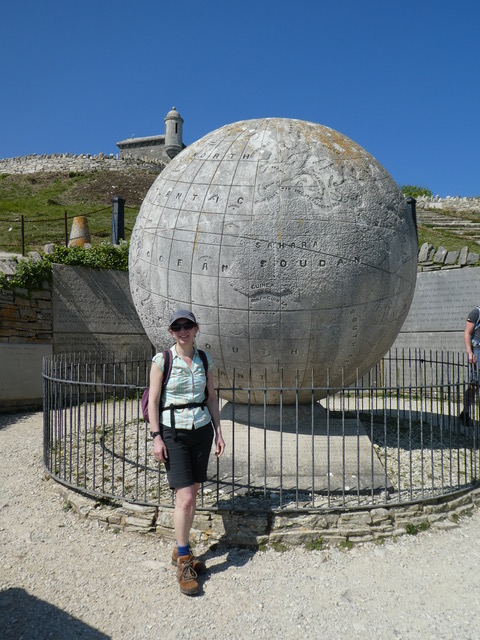
Rachel, Trustee
What inspired you to get involved with the SWCPA, and what role do you currently play as a Trustee?
I grew up in North Devon and like most people I’d taken the Coast Path for granted. Reading The Salt Path book sparked my interest in the path’s long-term preservation, the financial sustainability of the Association and a burning desire to one day walk the entire path in 52 days.
I’m a Trustee and a member of the Membership and Fundraising Committee, where we’re tasked with the strategic aim of engaging individuals and business to financially support the SWCPA through memberships or endowments and enabling a greater emotional connection in both the charity and the path.
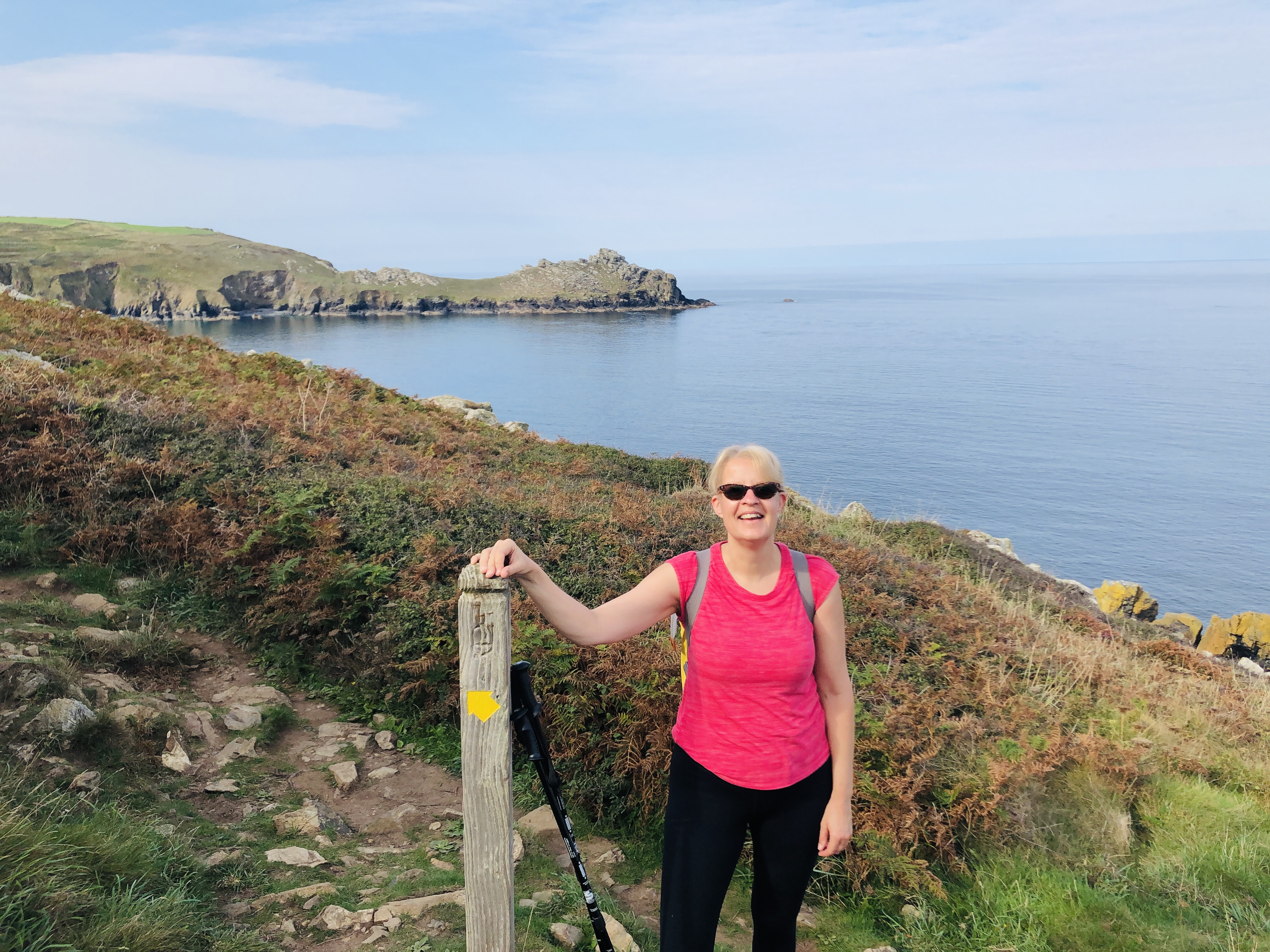
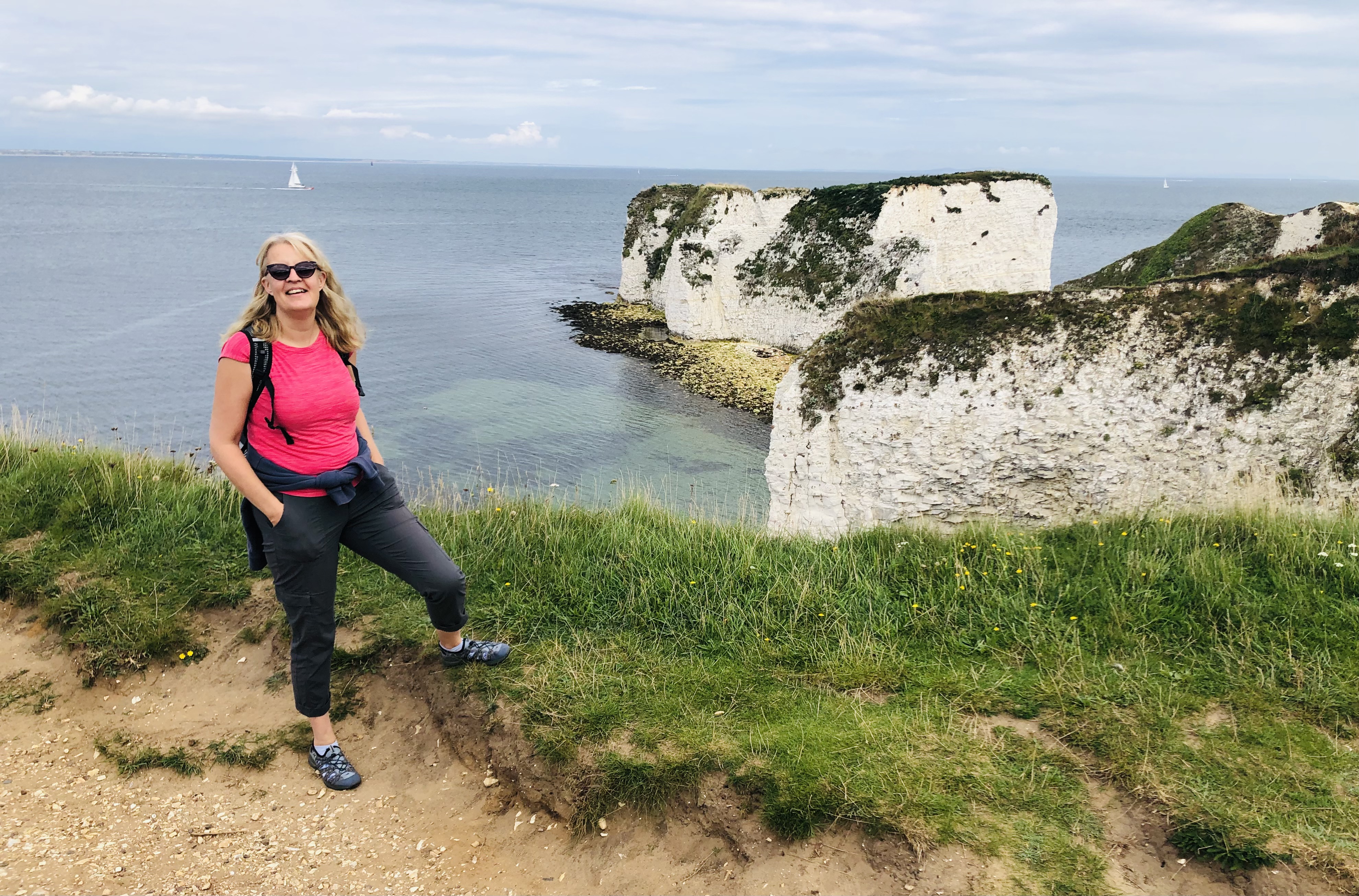
How does your experience as a woman in leadership influence your approach to the charity’s work and decision-making processes?
I’ve spent the last 26 years working as a transport planner, project manager and assurance reviewer in the private and public sectors in the UK, Australia and New Zealand on the strategic planning, concept design and delivery of civil infrastructure, including nationally significant walking, cycling and bus infrastructure.
Throughout my decades as a woman in engineering I’ve been empowered to think strategically, ask curious questions, challenge the status quo, manage risk and to deliver viable solutions that address budgetary pressures and save money through efficiencies. These skills influence my approach to the SWCPA’s work and decision-making processes.
“Change happens when women from all age groups and socio-economic demographics feel valued, and they trust that they will be heard and understood.”
What changes or initiatives would you like to see that could support women to step into environmental leadership roles?
Women, especially older and mid-life British women, are incredibly humble and tend to shy away from voicing their honest opinions and professional technical expertise for fear of confrontation, being criticised and humiliated, or basically being told that they are wrong.
Change happens when women from all age groups and socio-economic demographics feel valued, and they trust that they will be heard and understood. Genuine engagement (whether it’s with key stakeholders, landowners, volunteers, donors, community groups, members or individuals) is a critical pathway to deliver transformational change in the environmental sector.
Zoe, Trustee
As a Trustee, how do you ensure that the values of inclusivity and diversity are reflected in the charity’s mission and outreach efforts?
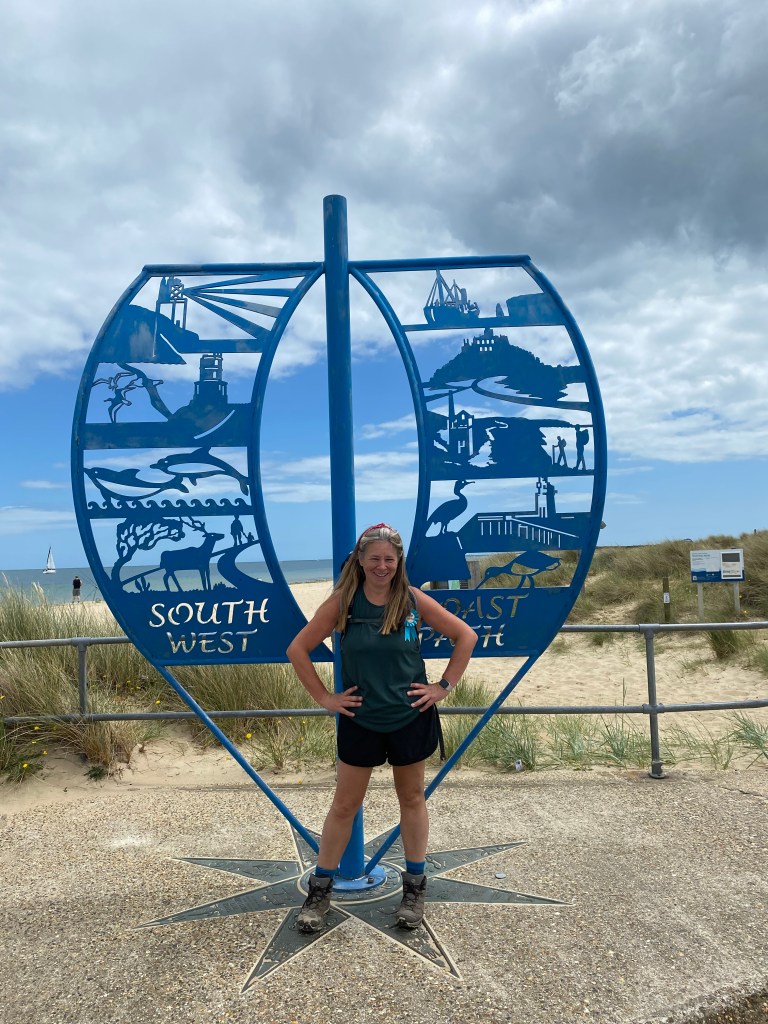
Inclusion isn’t just a goal—it has to be embedded in everything we do. That means actively listening to our communities, designing programs together that lower barriers to access, and making sure our leadership reflects the diverse voices we want to include. Through initiatives like the Coast Path Connectors, we’re working to create welcoming and meaningful experiences for people who might not otherwise feel a sense of belonging in outdoor spaces.
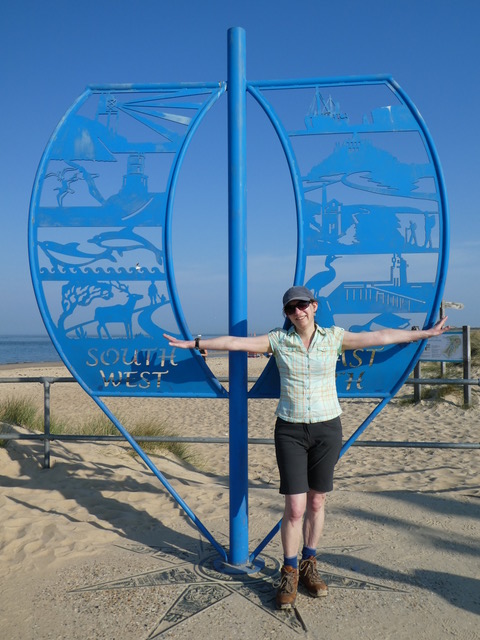
Photo: South Haven Point
“Progress happens when we lift as we climb (on the path and in leadership)! So take up space, speak up, and push boundaries. The more we open doors today, the easier it becomes for future generations to walk through them.”
What advice would you give to other women seeking to make an impact in their careers or volunteer work, particularly within male-dominated sectors like conservation?
Find your people. Look for role models who inspire you, mentors who challenge you, and allies who lift you up. Support networks make all the difference—not just for women but for anyone stepping into leadership. If you’re already in a position of influence, think about how you can create space for others to thrive.
And don’t be afraid to do things differently. Leadership should be diverse in thought and experience. Everyone benefits when we challenge outdated norms and bring fresh perspectives into conservation and beyond. This isn’t just about women stepping forward—it’s about all of us working together to build a future where leadership reflects the richness of the world around us.
Progress happens when we lift as we climb (on the path and in leadership)! So take up space, speak up, and push boundaries. The more we open doors today, the easier it becomes for future generations to walk through them.
Katie, Trustee
What inspired you to get involved with the SWCPA, and what role do you currently play as a Trustee?
I grew up overlooking the SWCP, but it wasn’t until I read The Salt Path that is occurred to me how lucky I was to have been walking sections of it all my life and what an incredible natural resource we have in the South West. I wanted to do something to protect it and ensure future generations have access to it.
I am a member of the health and wellbeing group and use my experience as a Public Health Consultant to think about how we make the most of the health opportunities the path offers.
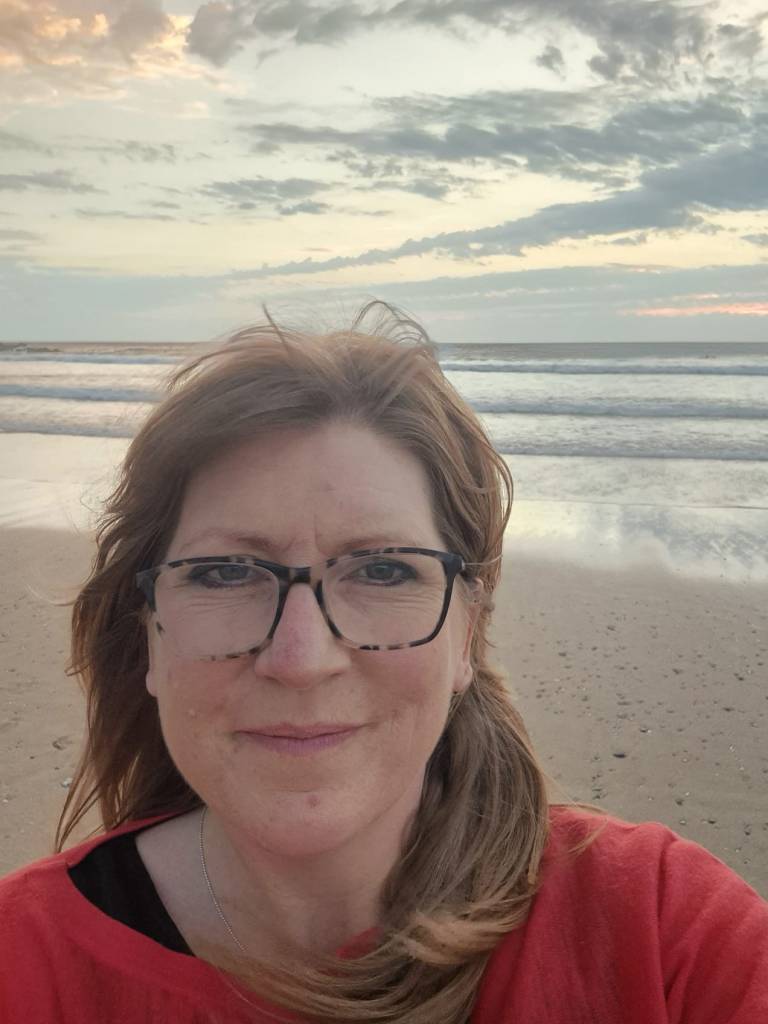
Photo: Tolcarne Beach, Newquay
As a Trustee, how do you ensure that the values of inclusivity and diversity are reflected in the charity’s mission and outreach efforts?
I think women’s experience of health and wellbeing and how we access spaces can be different to men. The increase of women Trustees on the board in recent years brings different skills and experiences that are valuable to ensuring the path is an inclusive place. Inclusivity and diversity are issues that we are committed to as a board. For me, this is about how we promote the path as a space for all. Nature’s benefits do not discriminate, but wild spaces are full of barriers to people. As a board, we need a focus on how we remove them.
“Cultivate your network, seek out mentorship and those who will take time to guide you. Don’t be afraid to apply for what interests you, even if you’re not sure you are the full package, we are all a work in progress. Sometimes the hardest step is having the confidence to take a risk.“
What advice would you give to other women seeking to make an impact in their careers or volunteer work, and to step into environmental leadership roles?
My biggest barrier was around feeling confident I had something to offer. Being able to have a conversation with our Director and another Trustee helped me realise my skills could be of benefit. Finding the space to engage lots of different types of people in conversations about what opportunities are available, could see many more women in leadership.
We should all be teachers and mentors. Especially those more senior in their careers. Just taking time to explain our roles and how we contribute allows others to think if it is for them. Mentorship should also work both ways and be open to learning from people at all levels in an organisation. This allows people to flex their leadership muscles and test their ideas.
Cultivate your network, seek out mentorship and those who will take time to guide you. Don’t be afraid to apply for what interests you, even if you’re not sure you are the full package, we are all a work in progress. Sometimes the hardest step is having the confidence to take a risk.

