
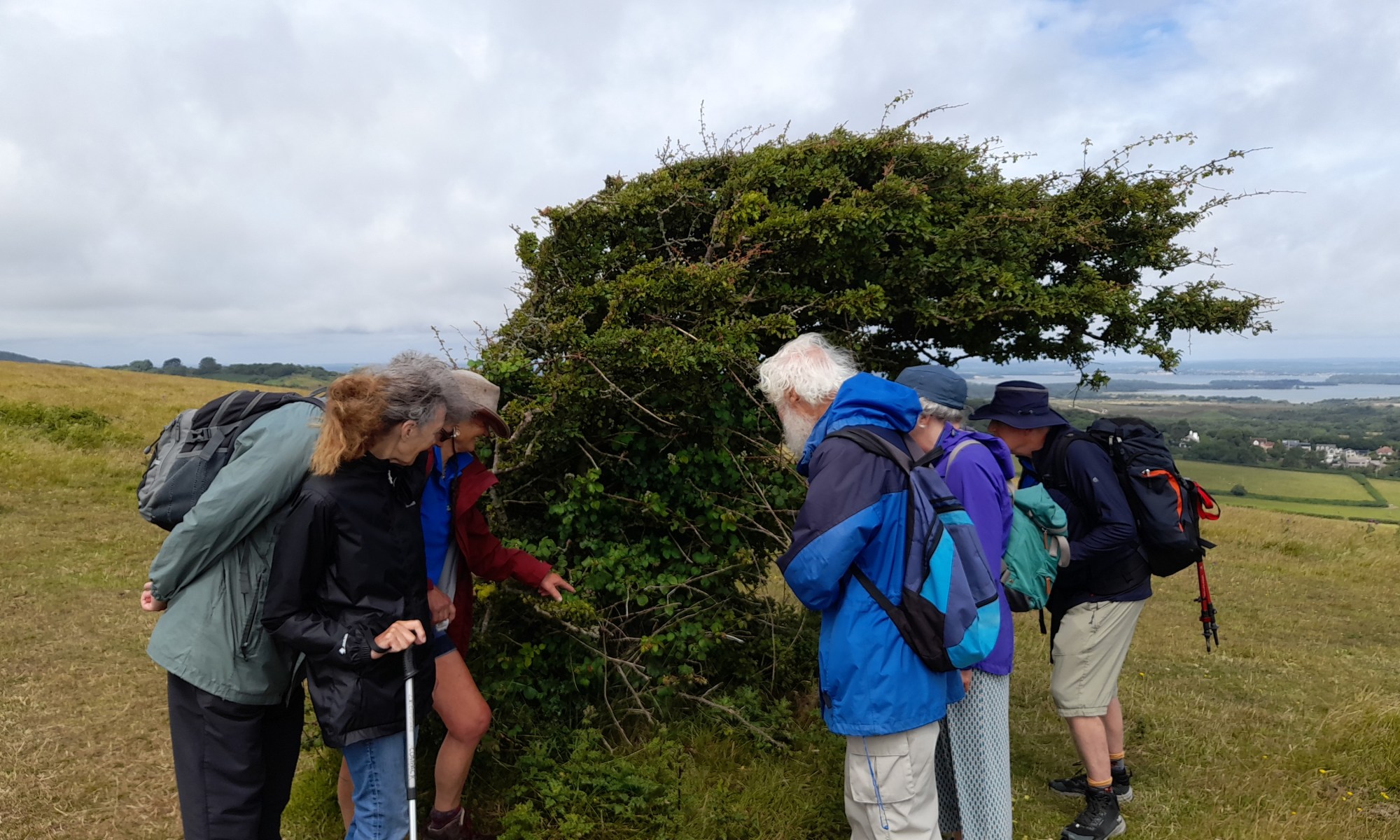

It was a damp, grey morning when I met up with walkers from the Loft community group on the edge of Swanage. We had been hoping for a warm sunny day like many we had been treated to over the last month, because this particular walk over Ballard Down is a wonderful place to spot butterflies and other insects in June and July. The low-nutrient chalk grassland is managed by the National Trust and at this time of year it is awash with wild flowers. But butterflies don’t like to fly in the drizzle, so we had to hope that the forecast of clear skies within a couple of hours was accurate as we set off up the hill into the low cloud.
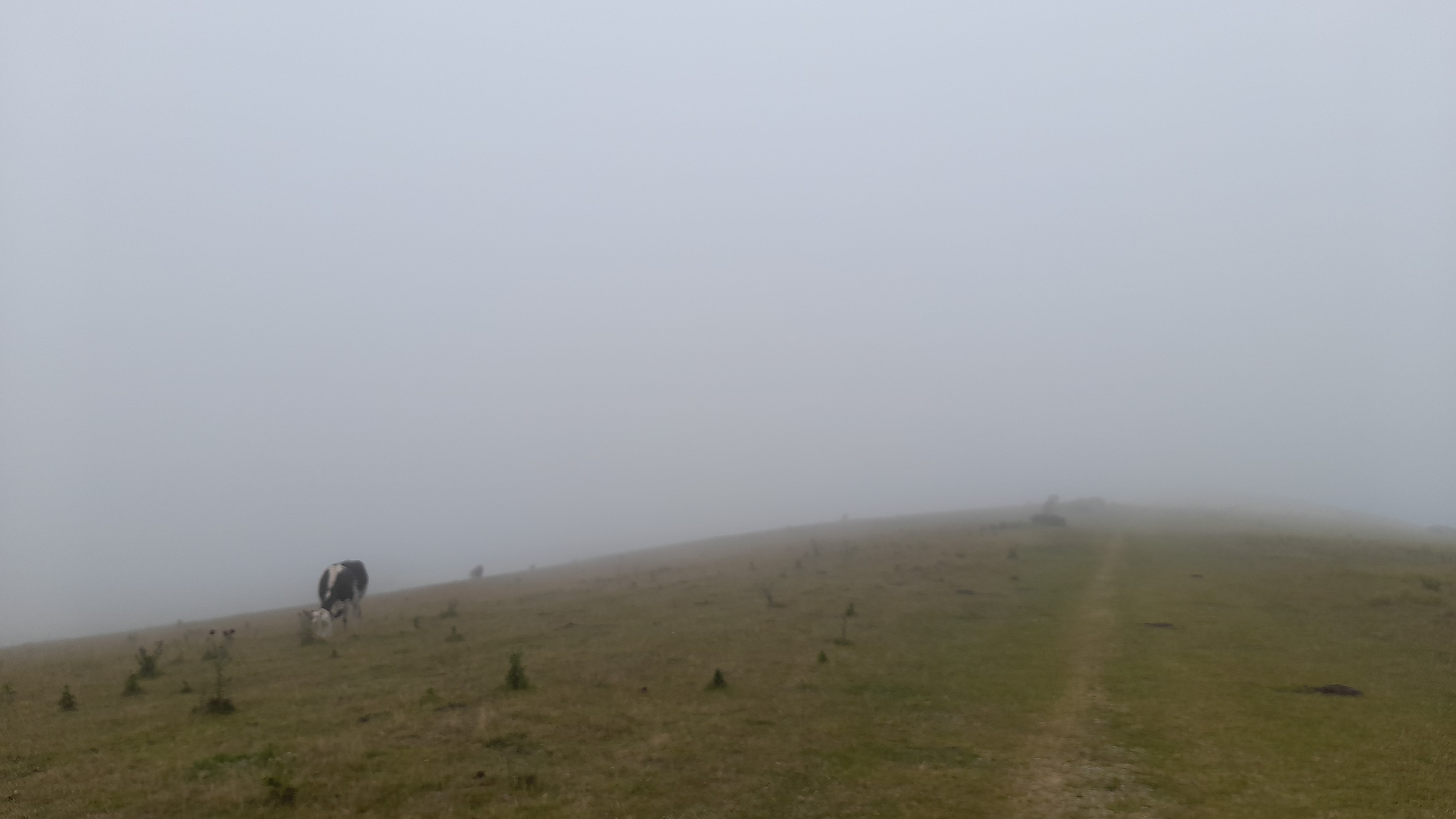
As we walked along the top of the ridge it was quite eerie, the cloud was so low that the usual beautiful view across Poole Harbour was completely obscured, and we could only just see Swanage Bay on the other side. The cattle that graze the hillside, helping to maintain the habitat, loomed out of the mist as we approached, but took no notice as we walked past. These cows and their calves are so used to people that they don’t mind the walkers up here whatever the weather. One young calf had managed to get itself stuck the wrong side of the fence, and was calling to its mother who was calling back loudly from the other side. Our group managed to gently herd the calf to a gate and held it open so it could run back through and rejoin its mother.
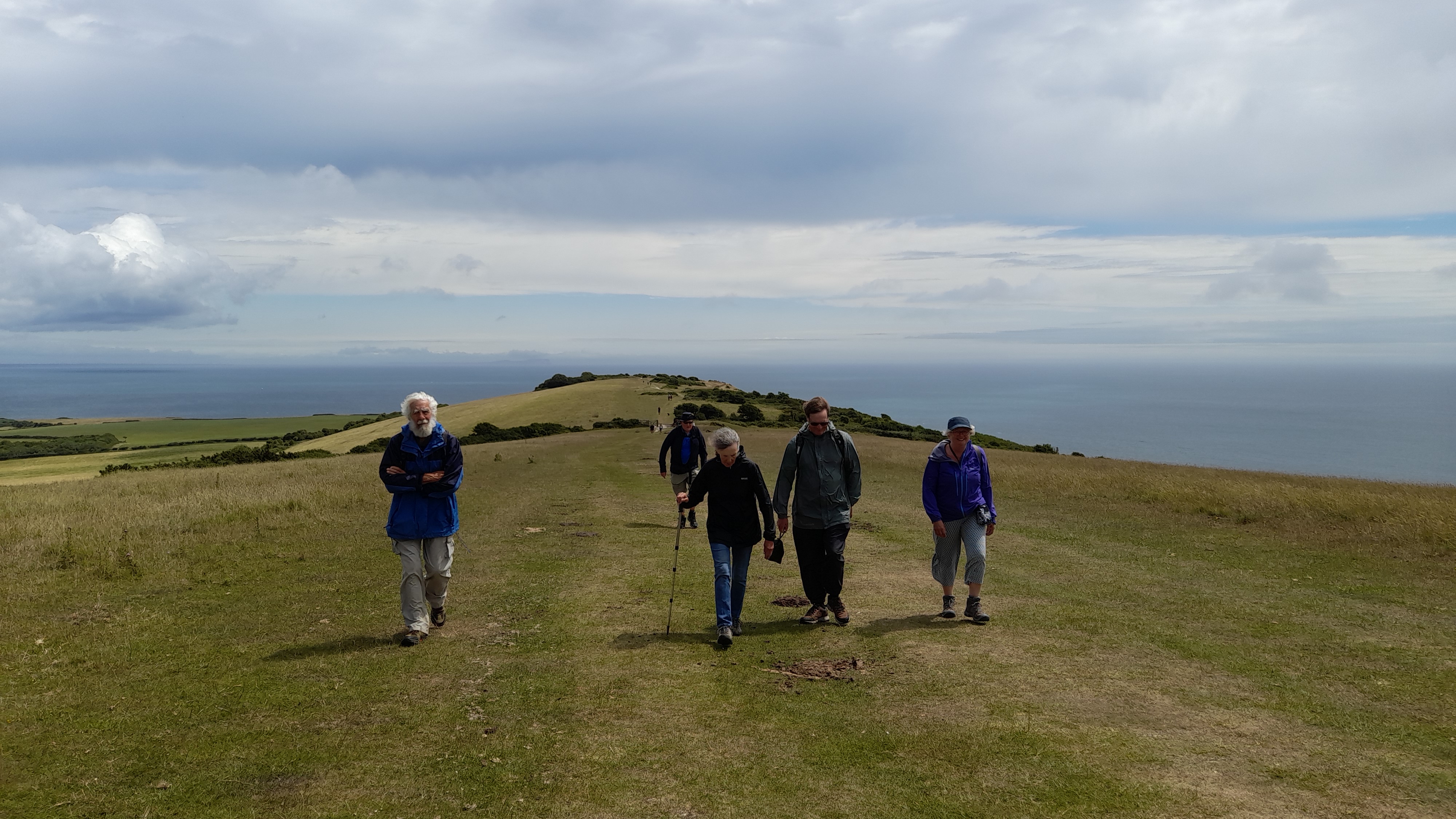
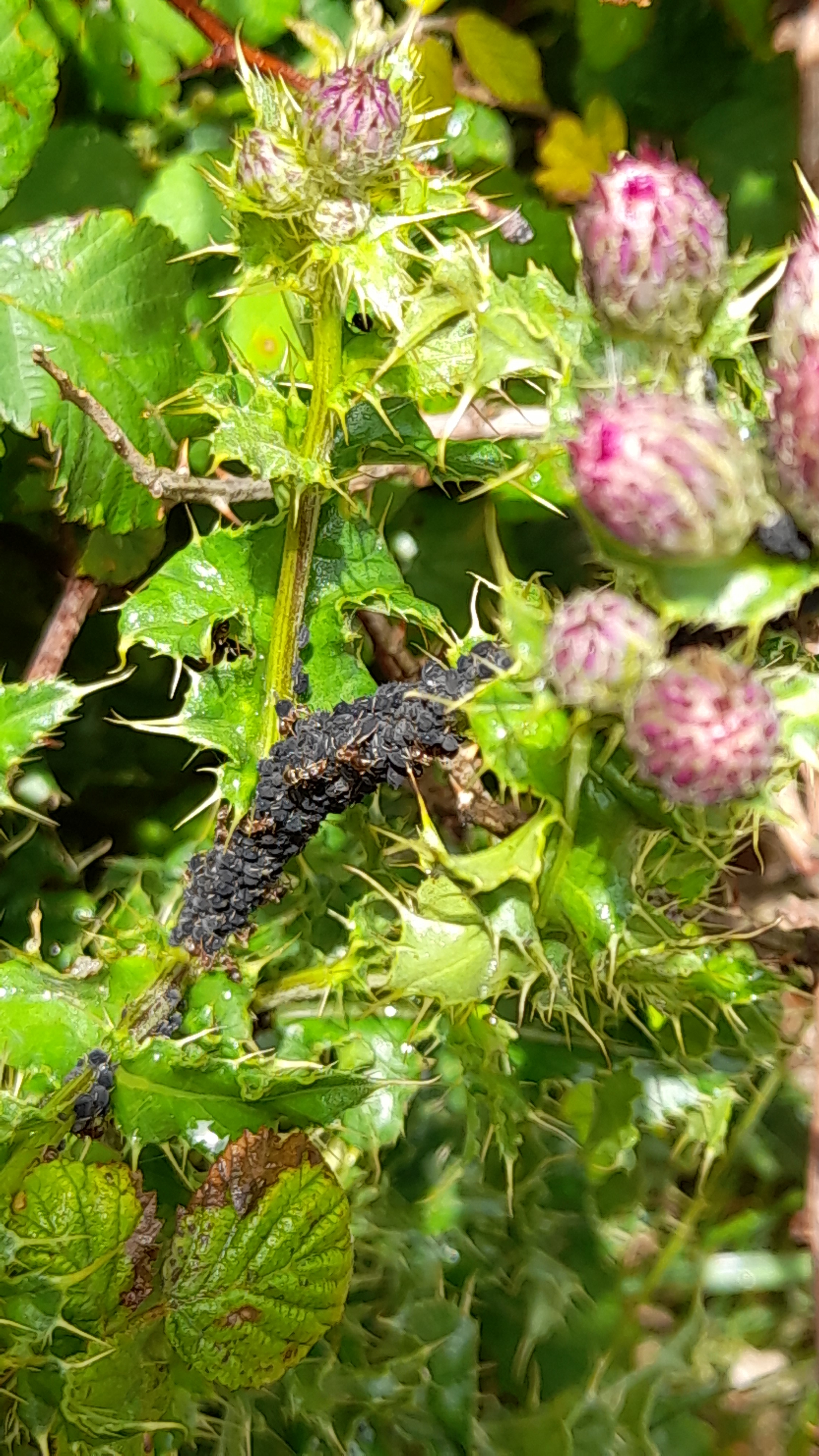
As we continued towards the sea, the cloud did begin to clear, and we started to see a few insects feeding on the thistle and bramble flowers; red admirals, bees and hoverflies. By the time we turned down the path along the side of the hill, towards the ungrazed lower slopes, the sun was starting to shine in earnest. The distinctive buzz of the Roesel’s bush cricket started to fill the air, and we were lucky enough to see both male and female crickets calling to each other. We also started seeing more butterflies; marbled whites, meadow browns and small skippers flying low over the grasses.
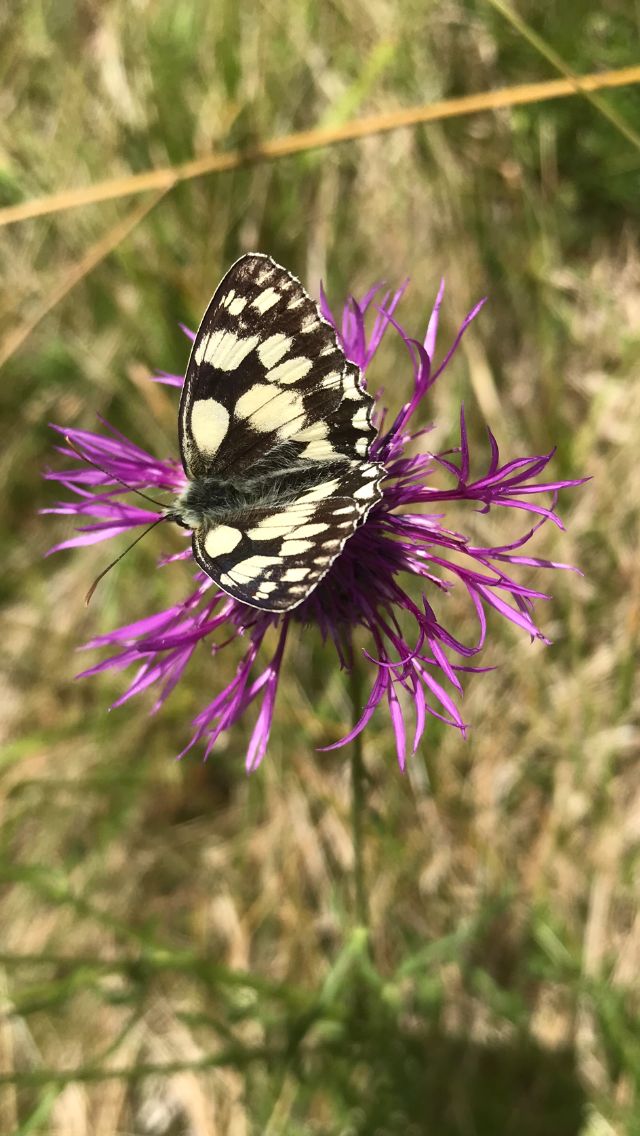
The footpath along the lower part of Ballard Down passes some of the most beautiful flower-rich grassland in the area. Knapweed, field scabious, lady’s bedstraw and bird’s-foot-trefoil were all in full flower, and suddenly there were butterflies everywhere we looked! Large skippers, gatekeepers, large whites, ringlets, small heaths and a single common blue joined the small skippers and marbled whites racing across the meadow. Along the hedgerow bordering the path we also saw peacocks and speckled woods, while a comma sunbathed on the path in front of us, landing on my leg briefly before flying on.
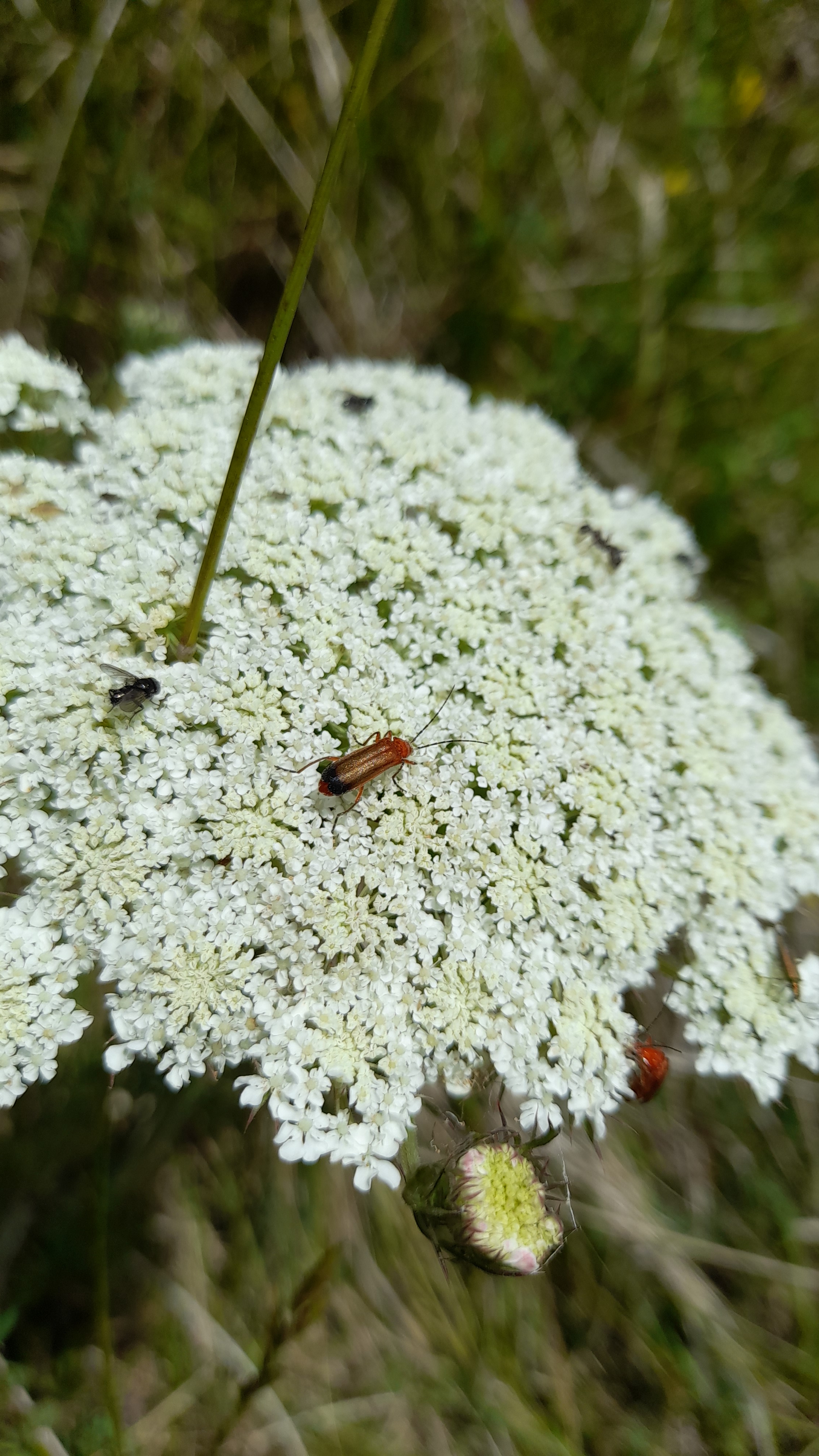
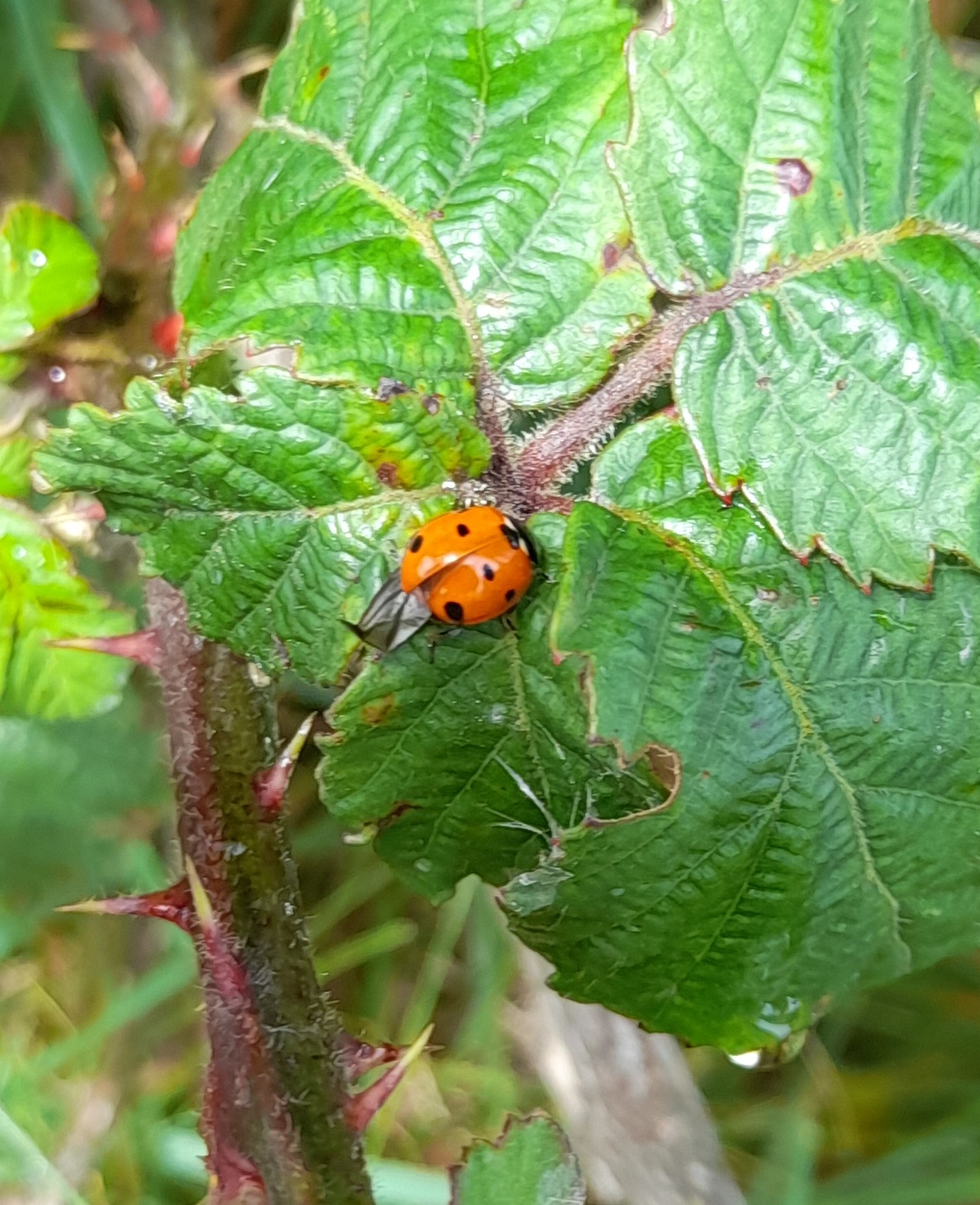
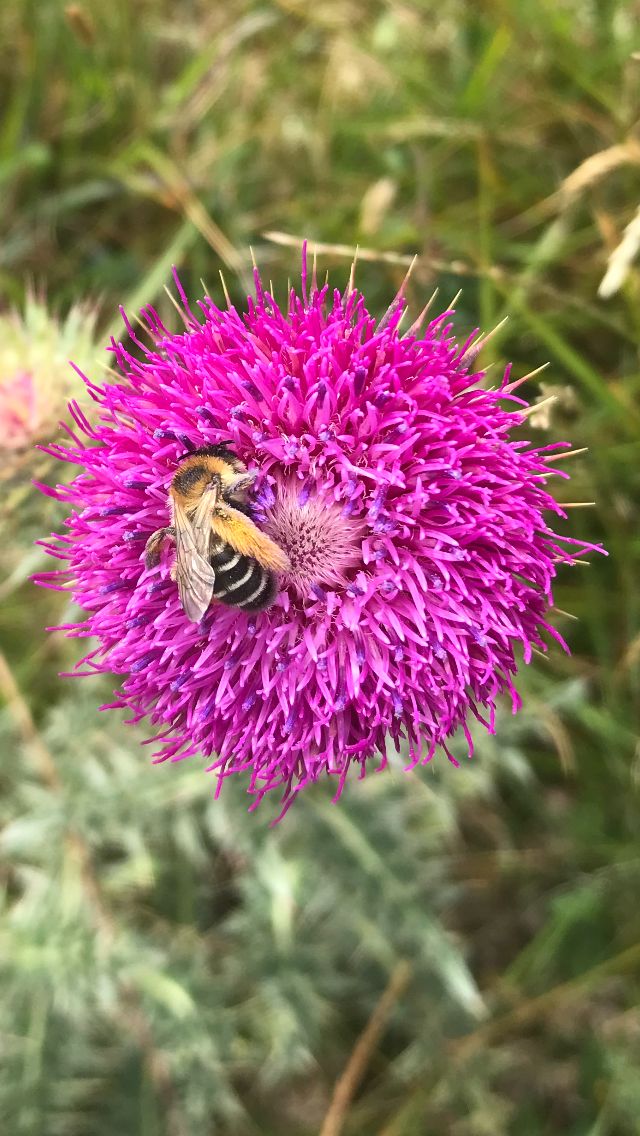
Thirteen species of butterfly on one walk is certainly nothing to be sniffed at, but we also saw an abundance of other insects; buff-tailed and red-tailed bumblebees, at least 3 species of hoverfly, thick-legged flower beetles, soldier beetles, 7-spot ladybirds, a dor beetle and several bees moving too quickly to identify! It really is a wonderful spot to visit at this time of year, let us know if you have been and what you saw!
Blog written by Catherine Mason, Community Engagement – Dorset.

For more information about our community engagement work, or to get involved go to: www.southwestcoastpath.org.uk/coast-path-connectors
 The South West Coast Path