
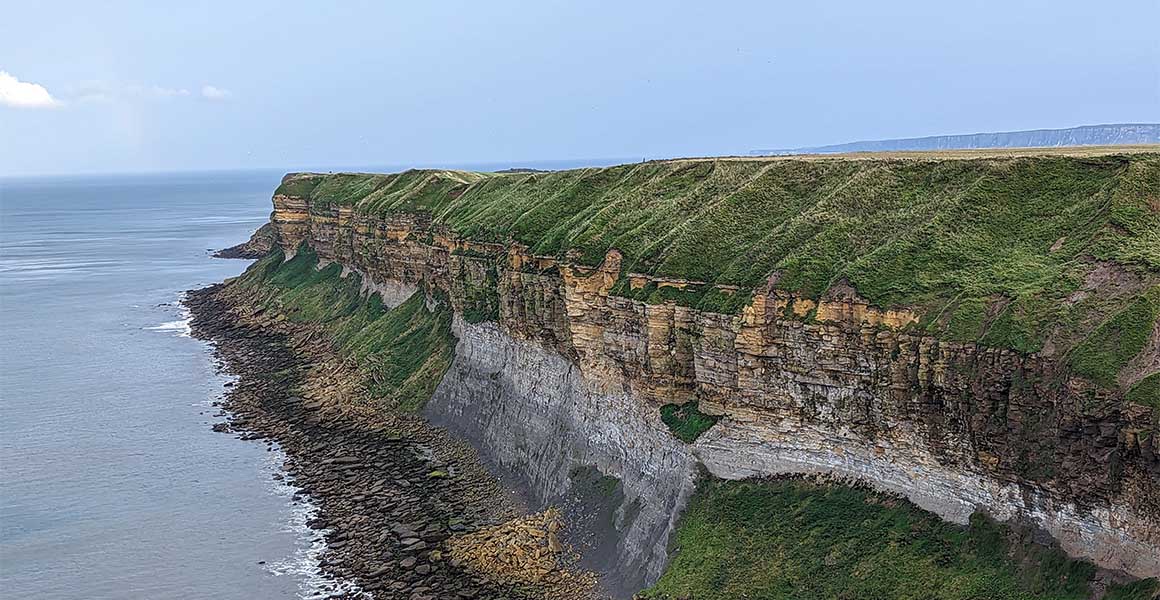

The new King Charles III England Coast Path will fully open in 2026, becoming the longest managed coastal path in the world. Anyone finishing the South West Coast Path at South Haven Point or Minehead will have walked nearly a quarter of the distance – and may wonder what lies further east, should they take another step along the boundary of a nation.
Factoids – KCIII ECP
- The King Charles III England Coast Path, renamed from the England Coast Path to on the 1st May 2023, for the coronation.
- Total distance 2,689 miles, 2,065 miles open (as 25th February 2026), with remaining work and decisions on 634 miles, yet the majority is walkable today and a grand opening is foreseen in 2026 – a distance that’s four SWCP completions if you take a ferry or two
- An estimated 50,000 metres of ascent. Climb Everest almost 6 times (if you have already finished the SWCP, you are two-thirds of the way there)
- 34 Ferries (should you choose to avoid estuaries)
- 53 hostels, managed by the YHA and independently
- 20 Counties
- One nation
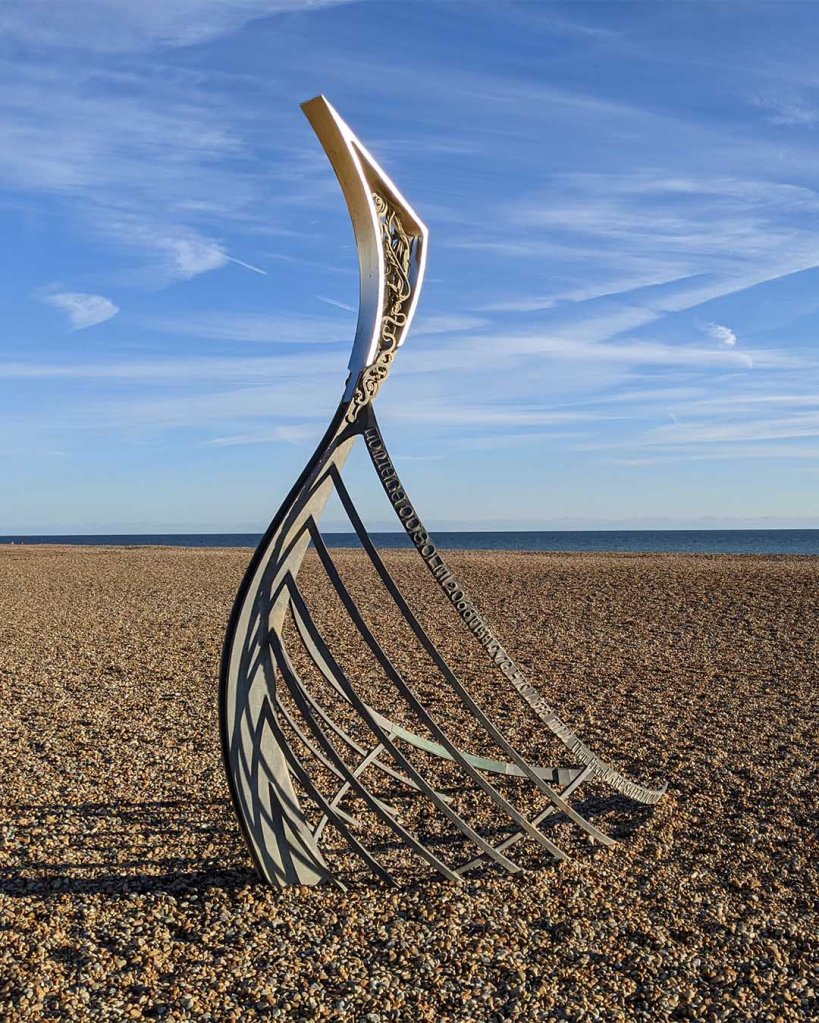
Photo: The Landing, Leighh Dyer, Hastings
I had already walked 630 miles from Cromer to Swanage—a strange coincidence. I then set off to walk the SWCP for the second time, now in the opposite direction. I did not realise the next 630 miles would make up almost two-thirds of the total ascent for the coast of England. Those challenging combes add up, as I was to realise over the next five weeks. The new direction felt different: new vistas, a new season, and a full spectrum of weather conditions in the shoulder months.
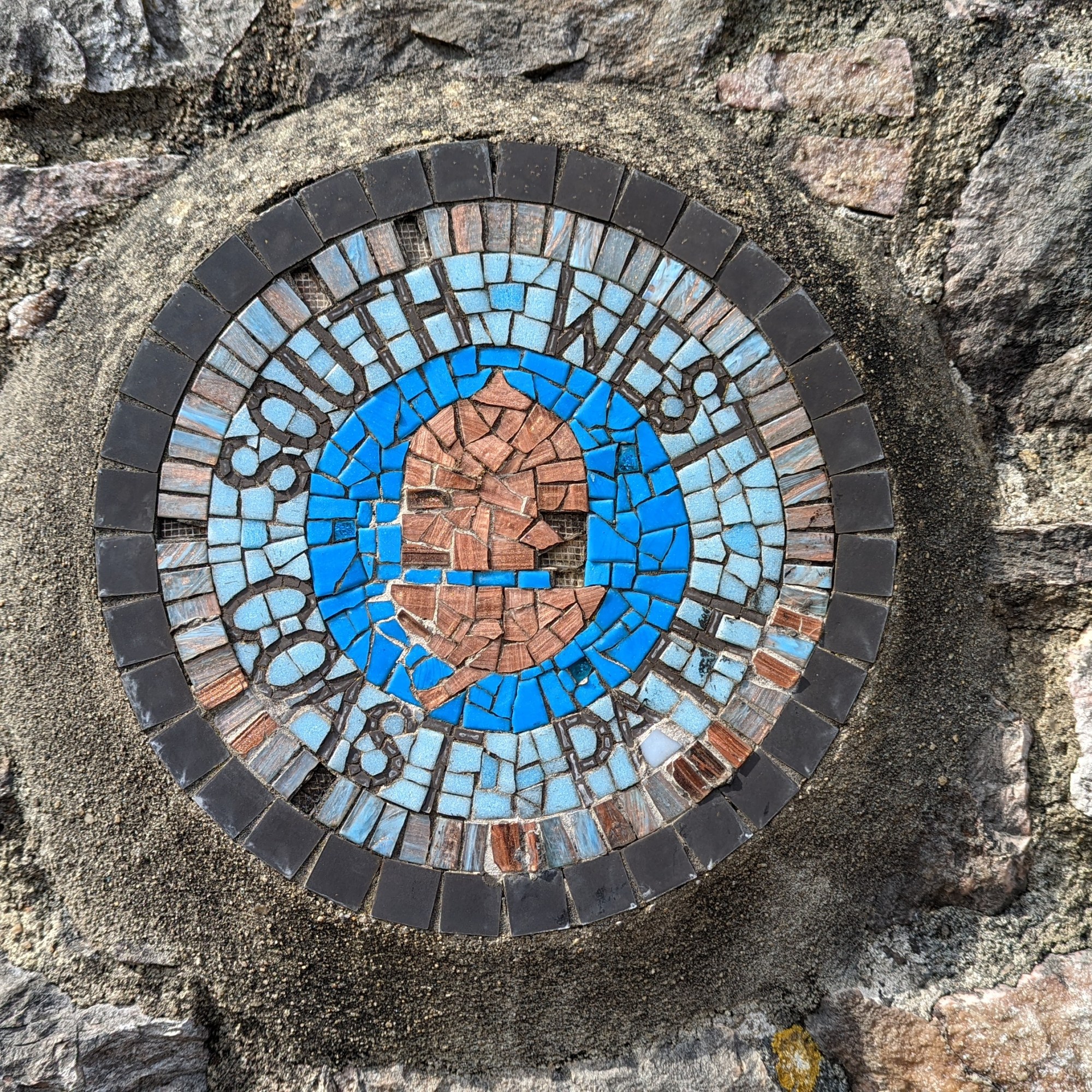
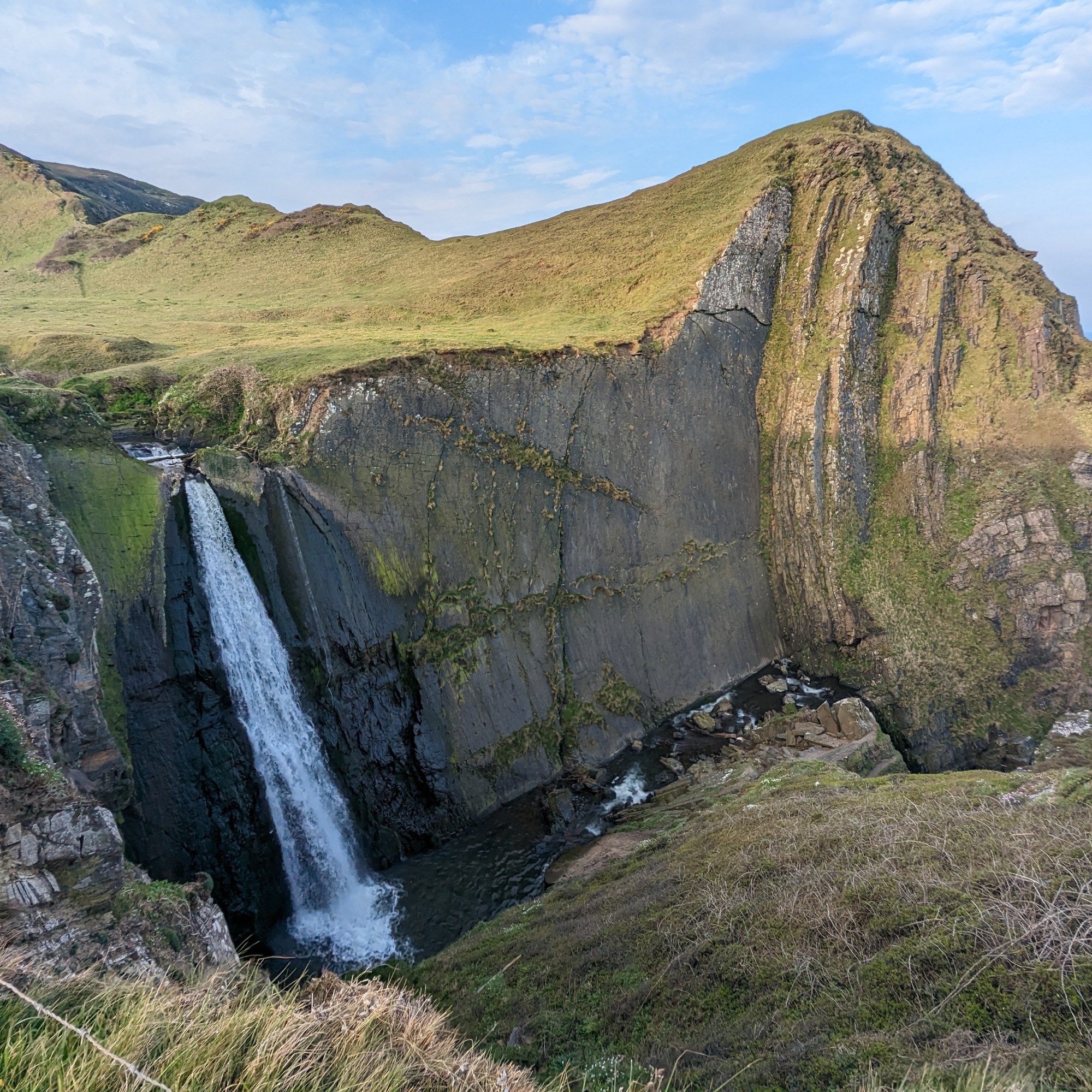
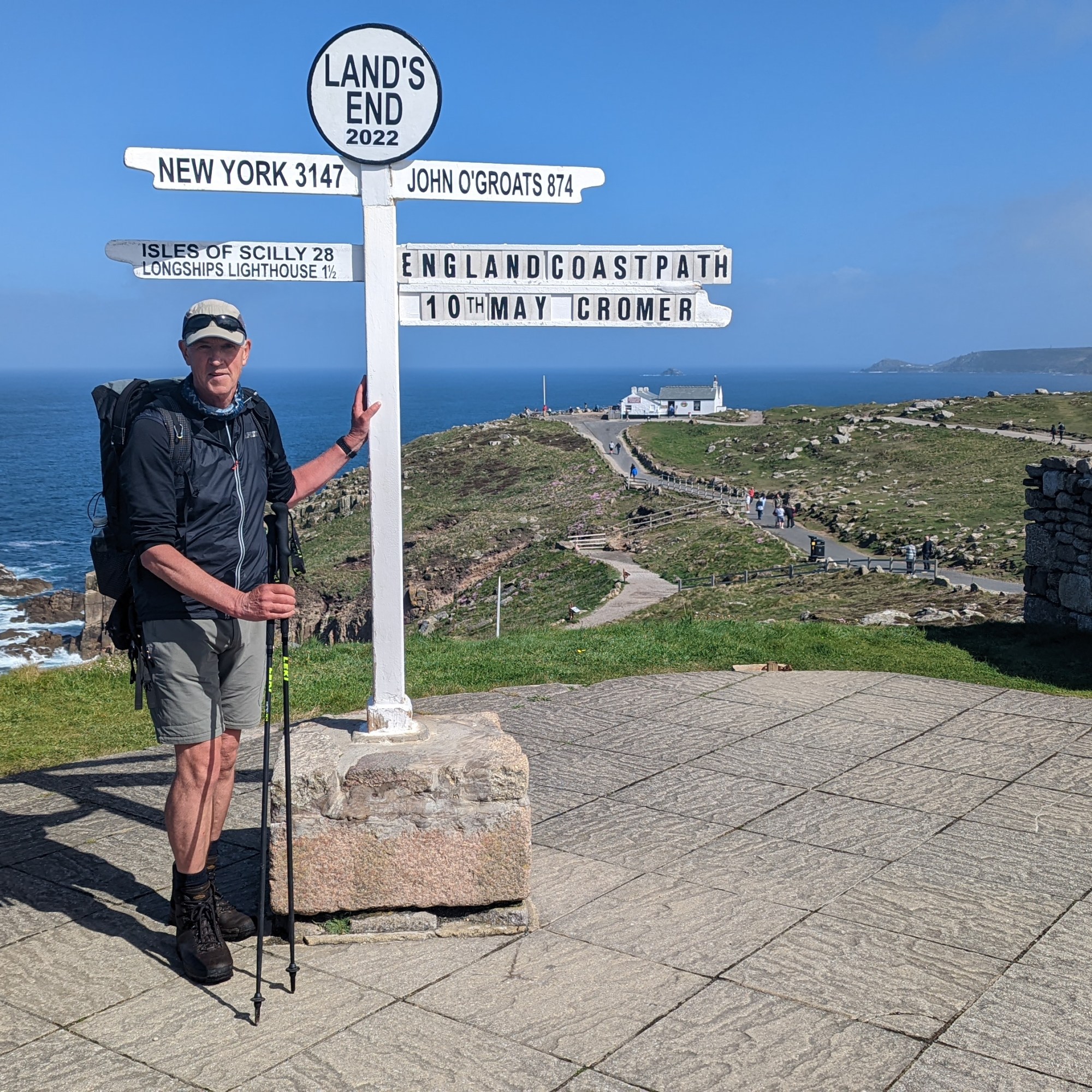
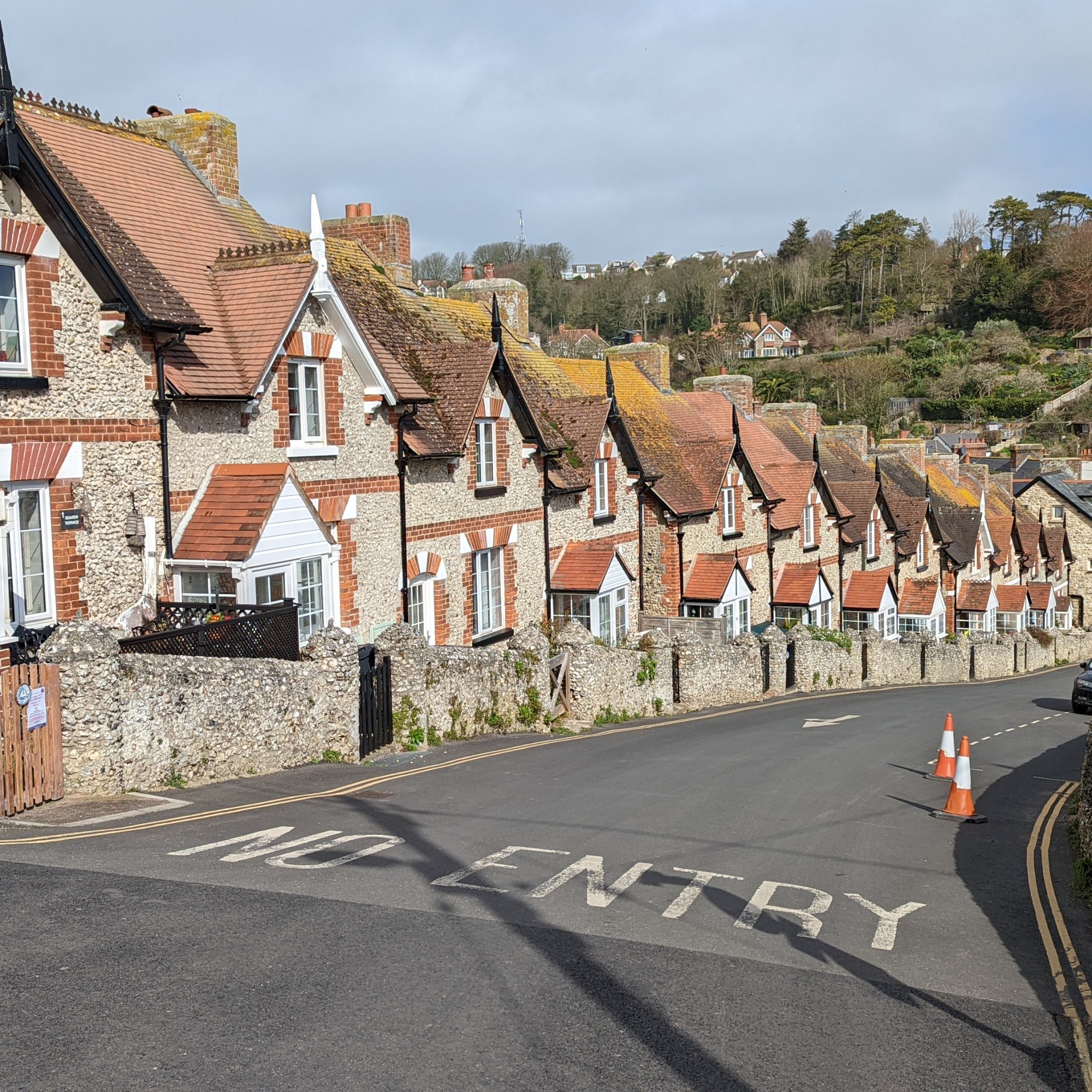
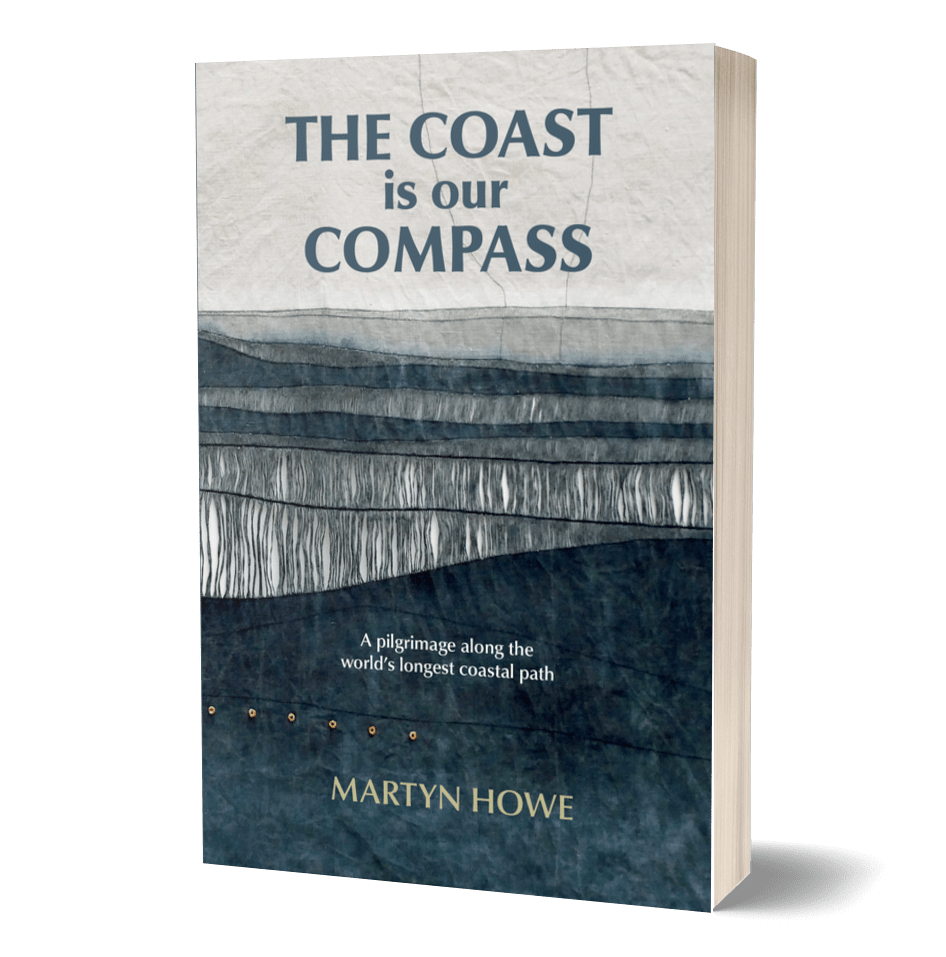
My first book, Tales from the Big Trails, told stories of what I saw, who I met, and where I walked along the first nineteen National Trails in England, Scotland, and Wales. My second book, The Coast is Our Compass, asks what it feels like, what it means, and why England’s coastal ‘blue spaces’ matter. The Youth Hostel Association’s tagline, “Because where you go changes who you become,” sums up my experience walking those 6,000 miles. You become nature and discover a glorious diversity of community and heritage through the twenty coastal counties you traverse. It took me 116 days across six sections and all weather conditions to reach Cromer again. I used 30 public ferries, shortening the journey to 2,300 miles, then walked the remaining 400 estuary and island miles afterward. A mix of hostels, camping, affordable urban accommodation, and smart use of buses and trains kept costs manageable.
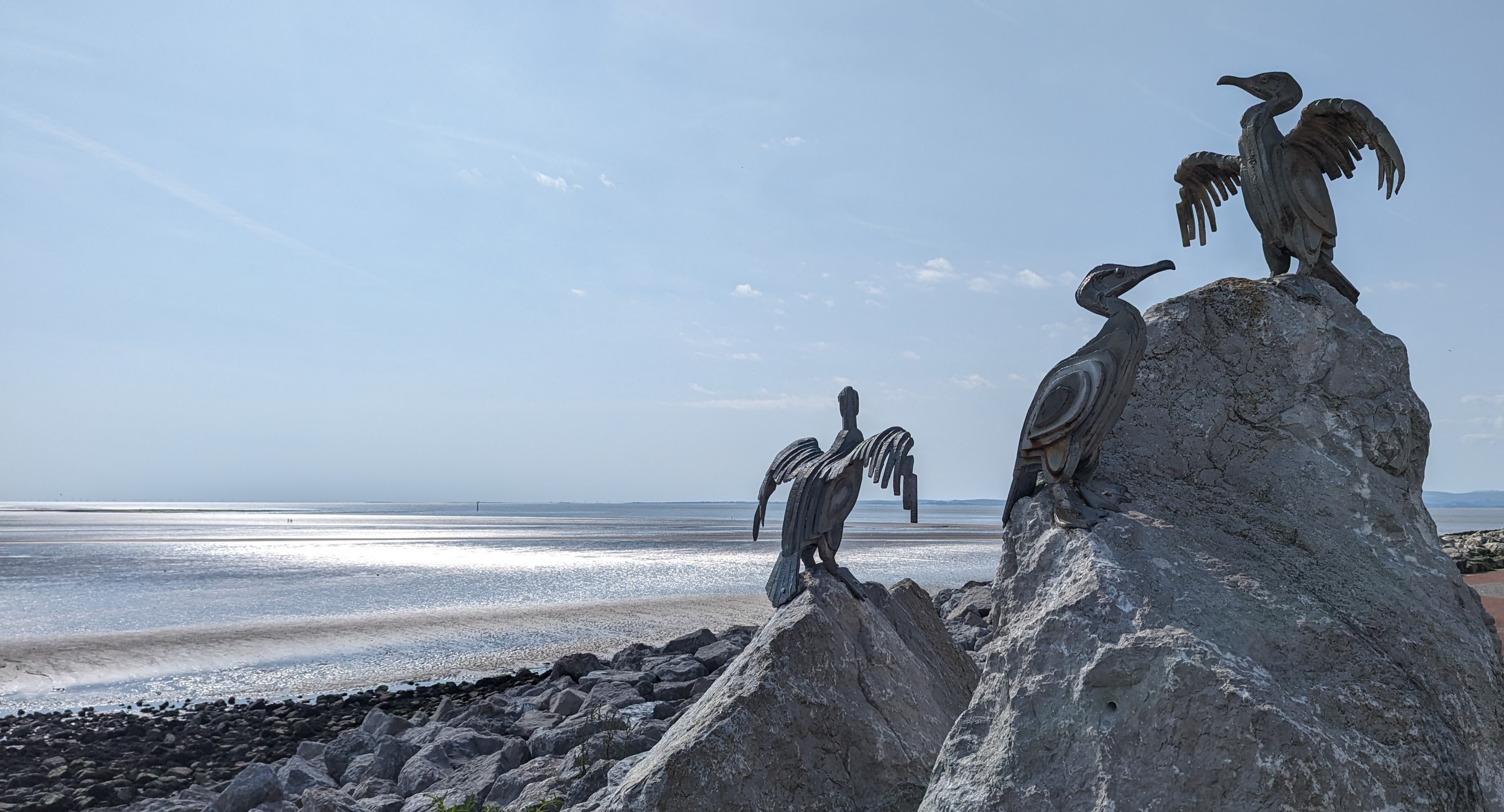
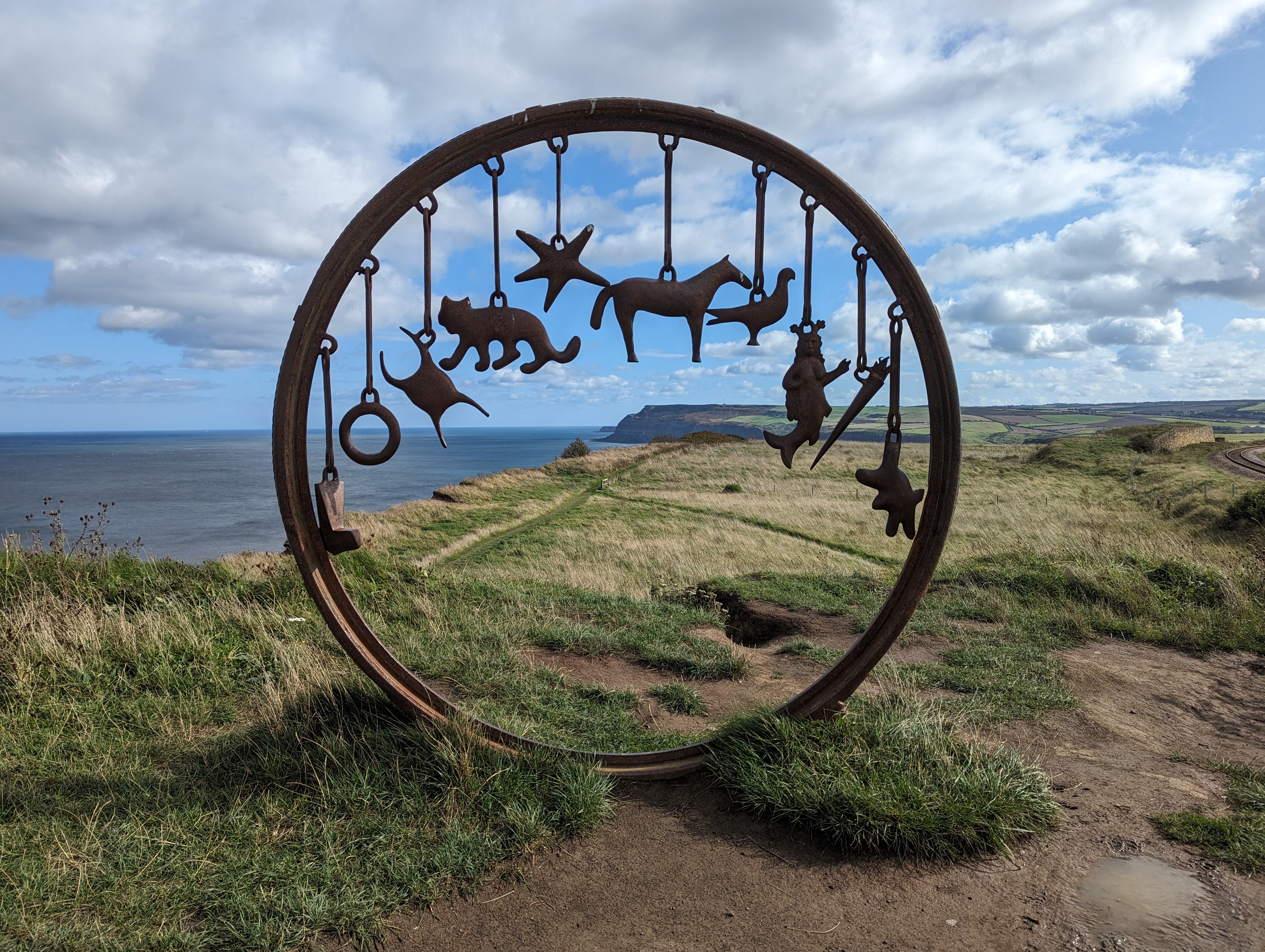
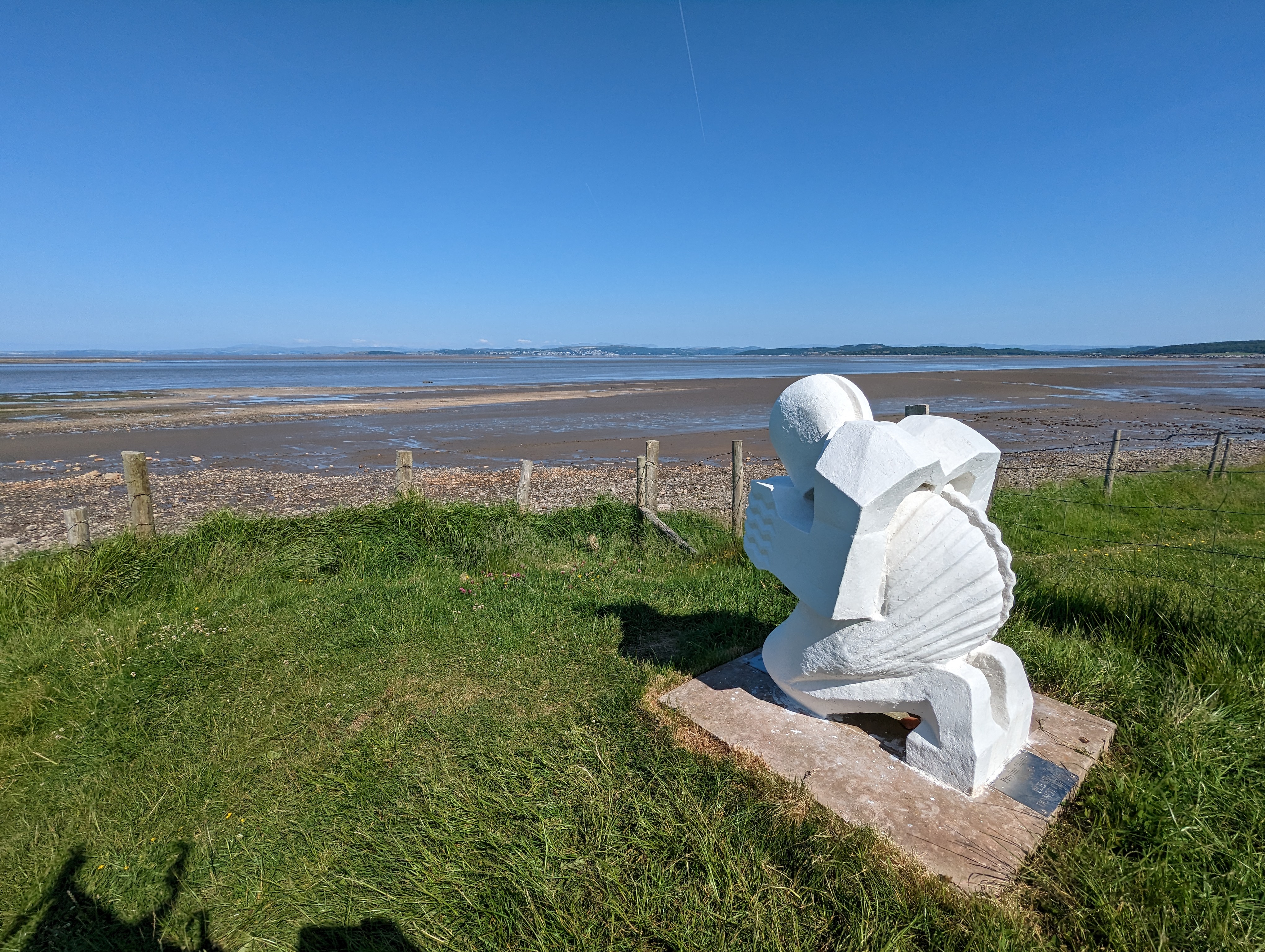
It takes eighteen chapters to tell the story of my journey and reflect on the changes, both in the communities and in me, emerging from a post-pandemic trauma. During this time, conversations with path walkers flowed freely. We vented our views on the state of the world. While I enjoy solitude, these encounters lifted my spirit and let me appreciate the landscape I was walking through. Special trail angels took care of two blisters crisis. I was to discover that I had an older sister, an ex-army nurse who, by chance, lived nearby and my daughter came to the rescue on another occasion.
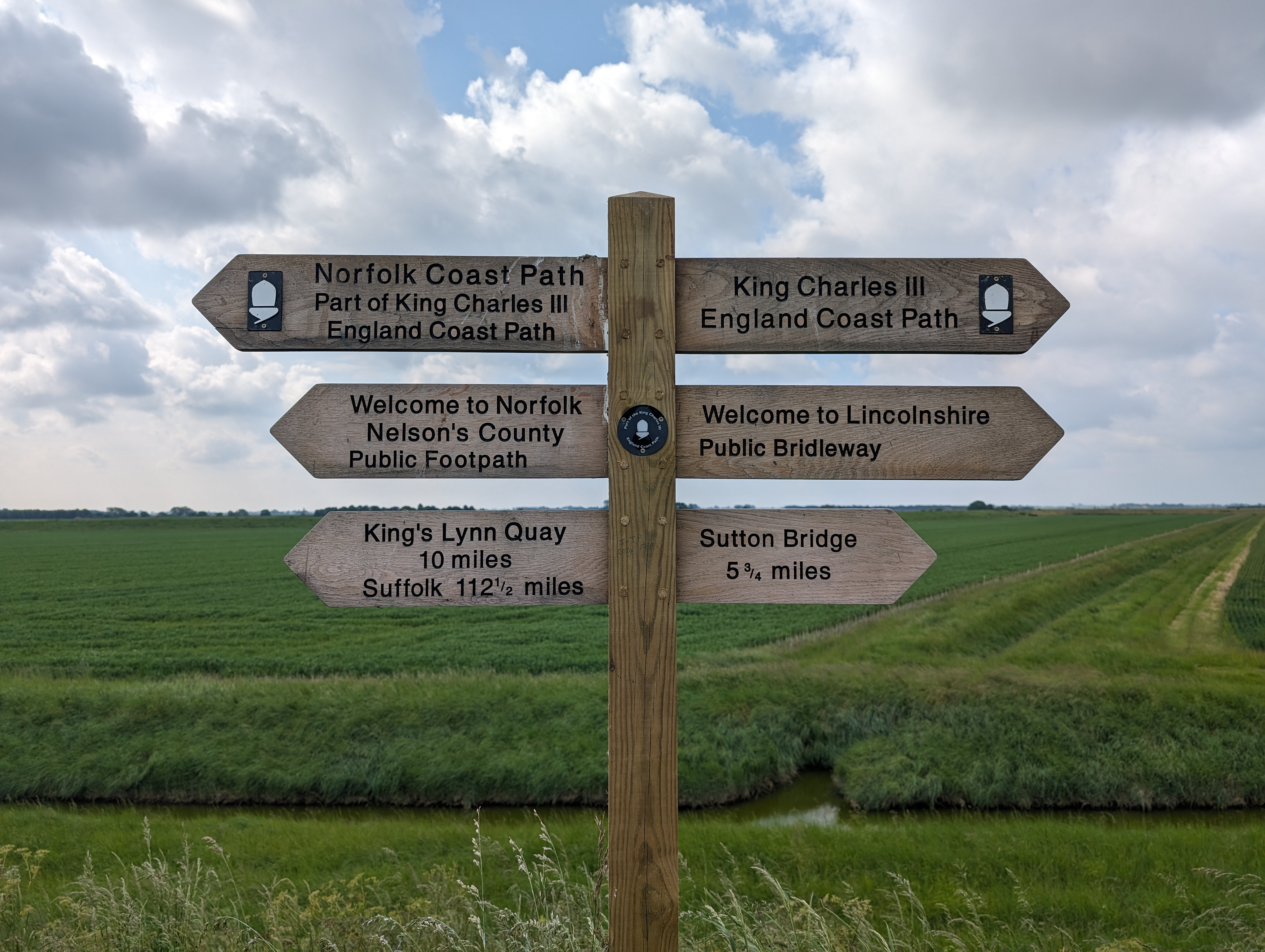
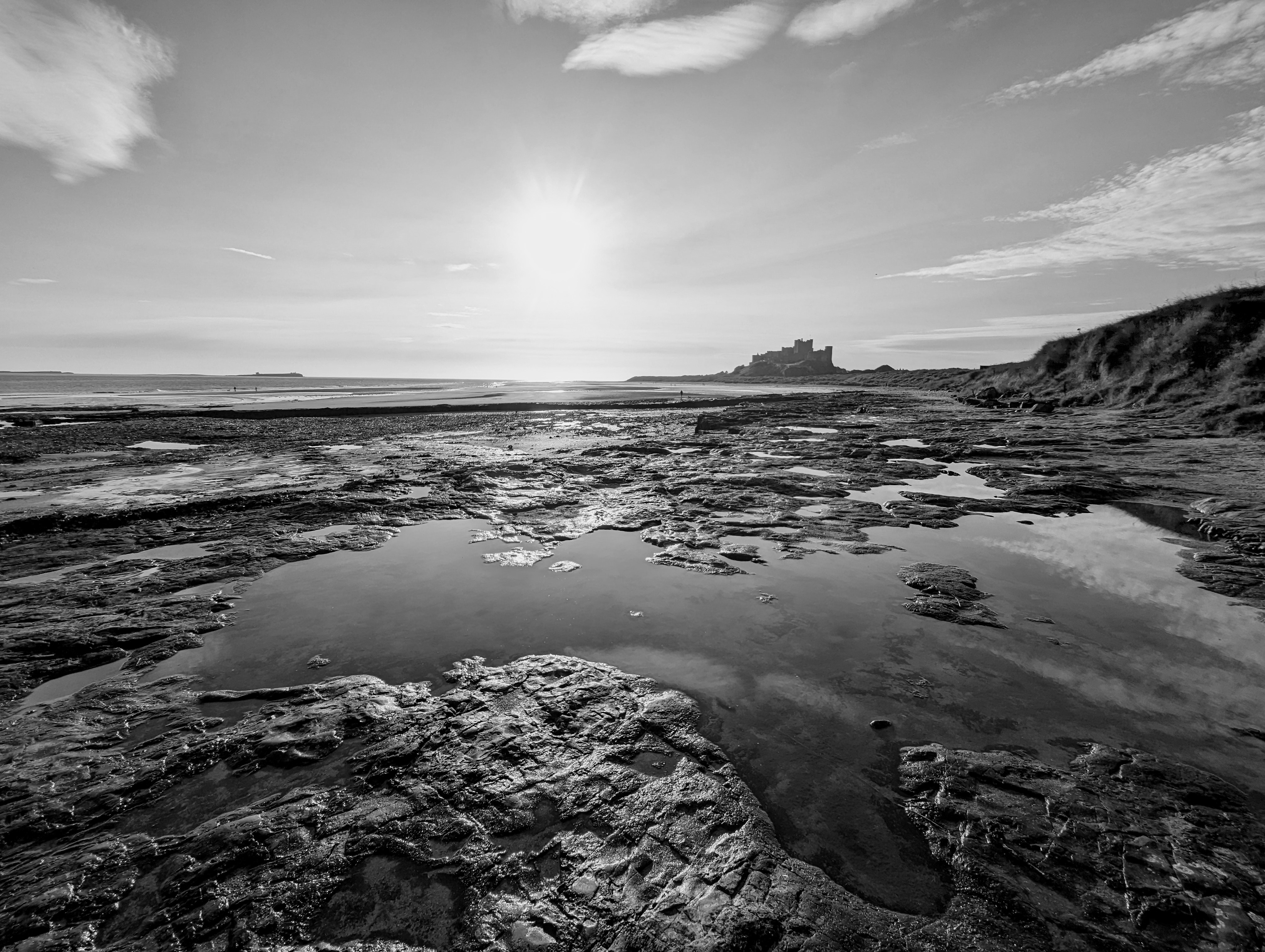
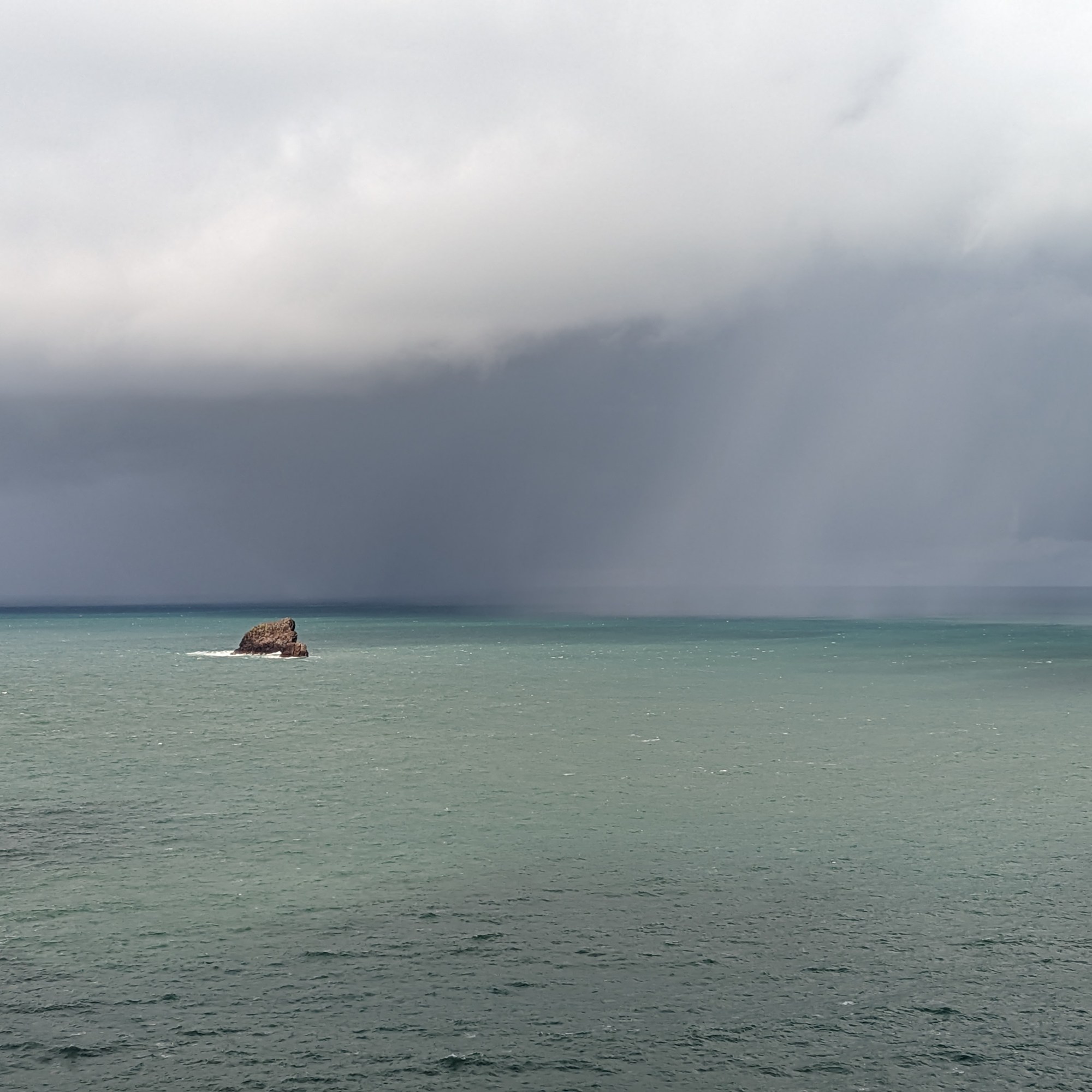
The weather was often challenging, but it made me feel more alive. It reminded me of wild swimmers who brave any temperature, often with a nearby sauna. The interplay of wind strength, direction, and tides was vital to consider. Low tide beaches may save you hours, but you must know the risks. What seems serene and joyful one day can be a dangerous tempest the next. I saw Woolacombe Sands covered in marble-sized hail after a violent downpour, a reminder of nature’s power. Yet I also found huge empty beaches protected by cliffs and woodlands that softened the heaviest rain.
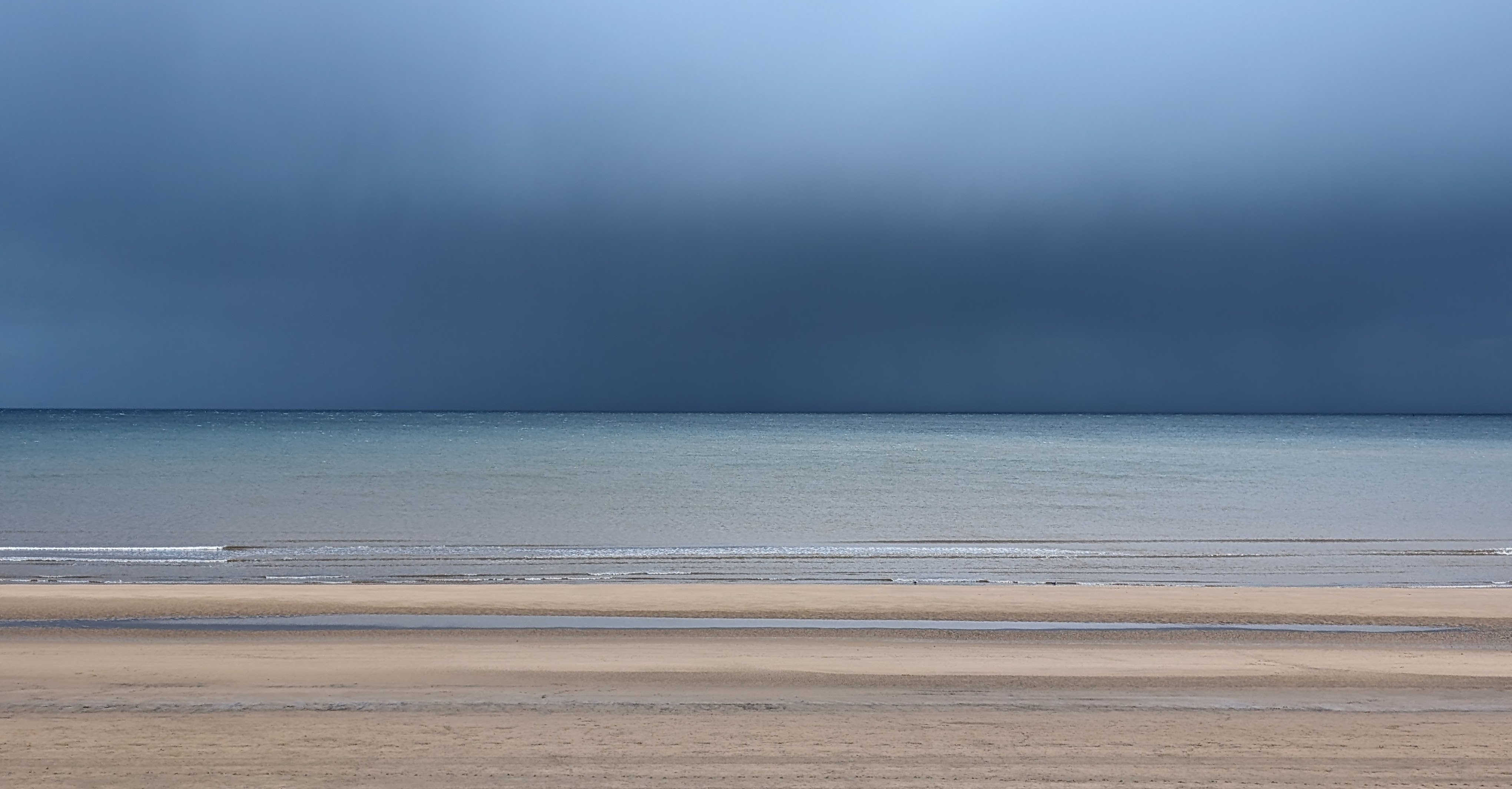
I am often asked, “Which is your favourite bit?” but it is an impossible answer, as it depends on who I am with, the weather, the time of year, my mood, my fitness, and the landscape. I hate to set expectations that might be thwarted by negative extremes of any of those factors. My advice to anyone who would like to walk our coastline: make a start. You will not be ready, or have the right equipment, or even have that night’s accommodation booked, but you will learn what works for you along the way as you build confidence.
Top 5 lessons I learnt:
- Prevention is better than cure – take a break, if you do not schedule one, your body will take one for you, and it might not be at a convenient time.
- Take a moment to understand the art, culture, and heritage you encounter, as they teach you to see the landscape through a new lens, enriching your experience.
- Travel light. You will be surprised how little you need. As your legs and ankles develop strength, you will find that trail shoes are much easier than heavy boots. They also dry quickly along the promenades.
- Walk with others. You will find new friends. Conversation flows easily. You will learn a great deal about another life—and your own.
- Lastly, eat well. I struggled with monotonous café food and used freeze-dried meals, even in hotels. You only need a means to boil water to have a delicious meal.
The distance is nothing; only the first step is difficult
Mari de Vichy-Chamrond once said. In taking that first step, follow your curiosity and discover the essence of what it means to be alive. The simple act of placing one foot in front of the other has a remarkable impact on well-being, especially along the coastline.
About Martyn
After 40 years as a multinational technology executive, Martyn Howe (trailplanner.co.uk) rediscovered his passion for walking outdoors, completing all of Britain’s 19 National Trails in 2016 – covering 3,000 miles over 153 days through some of the world’s most wonderful and diverse landscapes. Howe’s 2021 book Tales from the Big Trails tells this story. Upon finishing the final trail, at Cromer in Norfolk, he learned of an audacious plan to build a new 2,700-mile National Trail around the coast of England – a trail now known as the King Charles III England Coast Path. In Howe’s mind, there was no question that this new route needed to be walked.
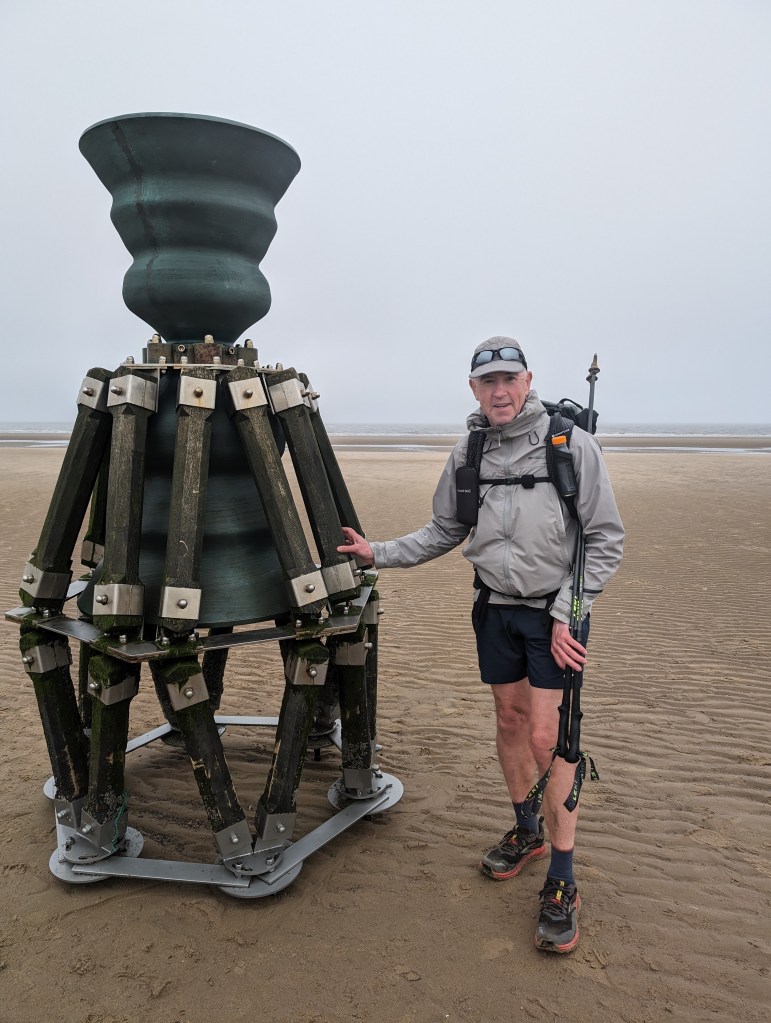
Photo: Martyn at Mablethorpe Time and Tide Bell by Marcus Vergette
The Coast is our Compass
by Martyn Howe
Why do we walk? Why do we like to be beside the sea? And what happens when you infuse these questions into a journey around the coast of England – a pilgrimage in search of art, culture, community and glorious natural wealth along the world’s longest managed coastal path? Extending well beyond the confines of a walking memoir, The Coast is our Compass addresses all this and more.
Published by Bradt Journey Books
www.trailplanner.co.uk
On Sale: Thursday 19th March, 2026
 The South West Coast Path
Wow! That’s pretty impressive 😀
LikeLike