
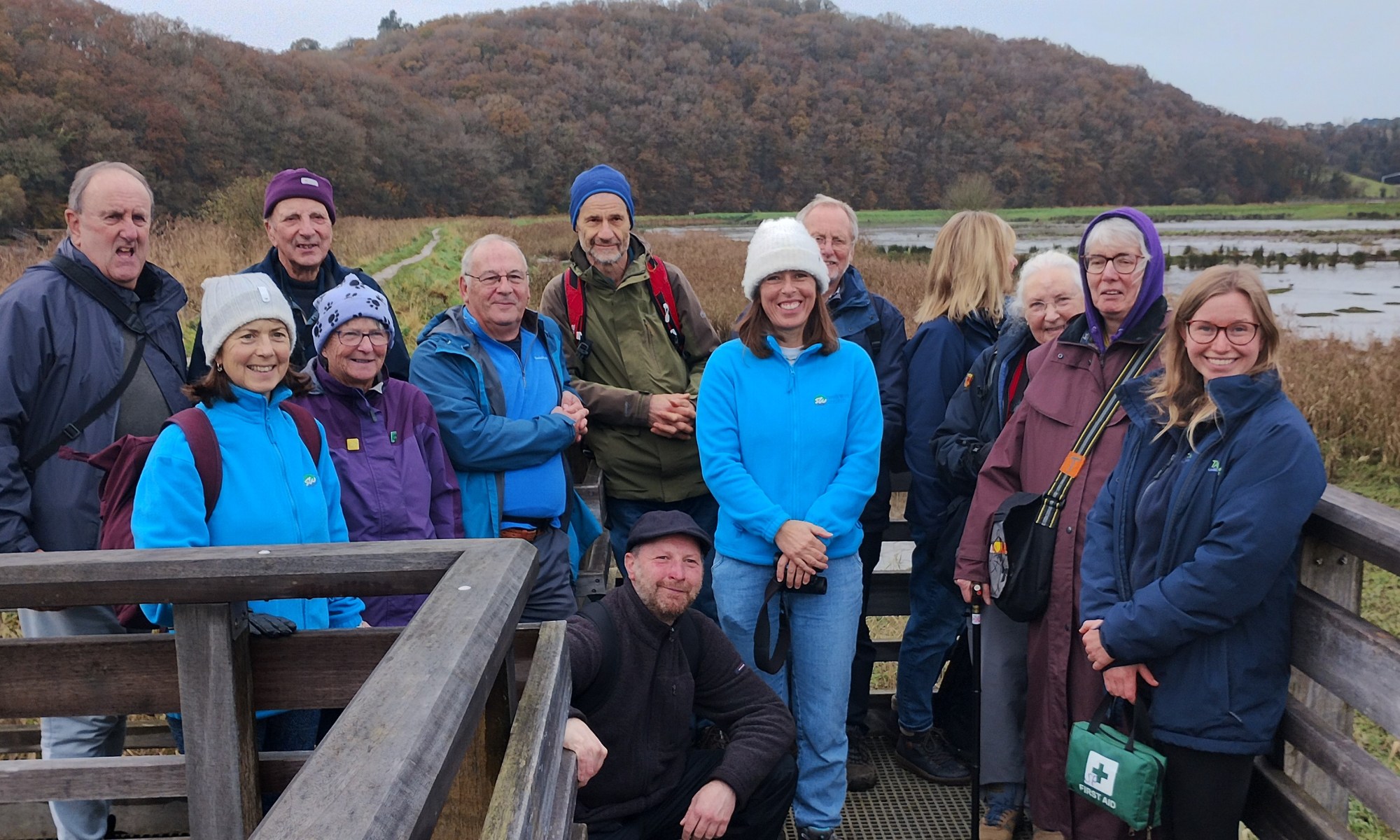

We aim to keep walking throughout the year whenever we can. For many people, our community wellbeing walks are about far more than exercise. They offer routine, connection, fresh air, and a vital boost to overall wellbeing.
Header image: Plymstock Plodders at Calstock, Dec 2023
Here are a few of the considerations that we make:
Getting There Safely
We don’t just consider the conditions during the two hours we’re out walking. We also think carefully about travel to and from the start point.
Heavy rain can affect roads and car parks. Strong winds may disrupt public transport. Ice can make pavements hazardous. When reviewing conditions, we look at the full picture, not just the route itself, but how participants will arrive and get home safely.

Choosing the Right Route
When conditions are less than ideal, route selection becomes especially important. We consider: what is the ground like underfoot, grass, mud, gravel, paved paths; How exposed is the route to wind and rain. And importantly whether there is a more sheltered alternative nearby.
Even in poor weather, there are still plenty of places to explore. Sometimes we shorten the route. Sometimes we choose a completely different setting. Our local staff know their areas well and can adapt accordingly.
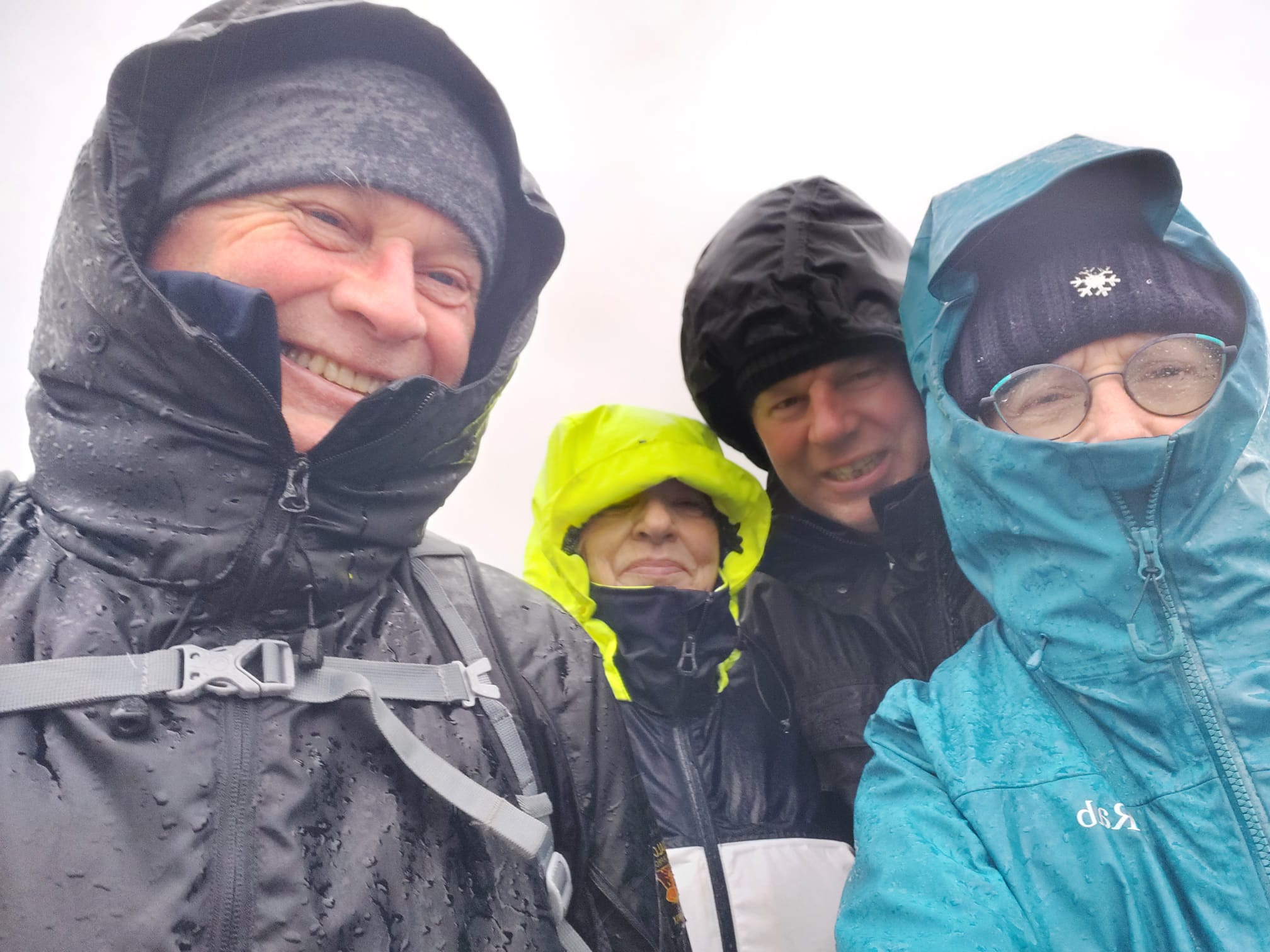
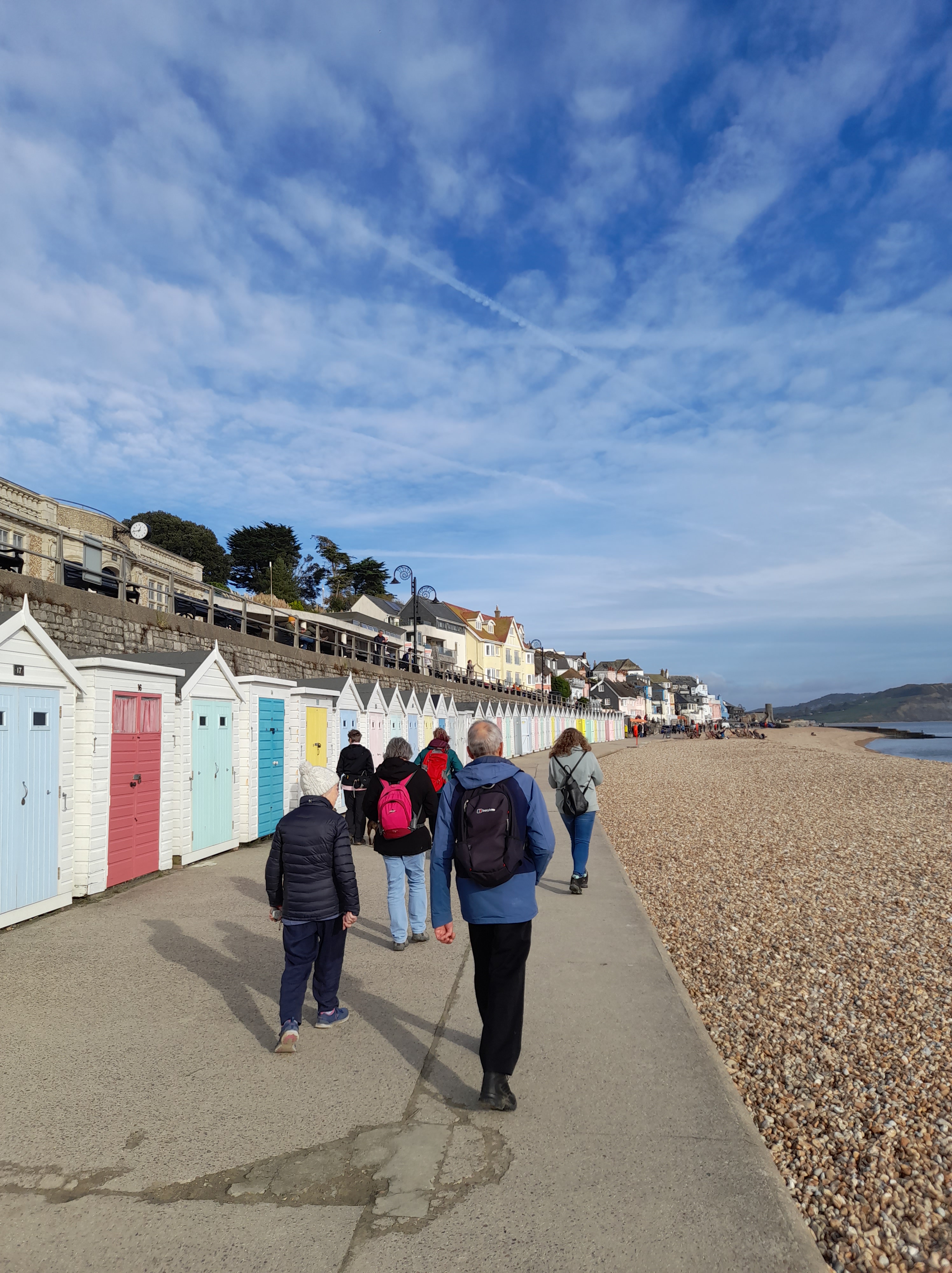
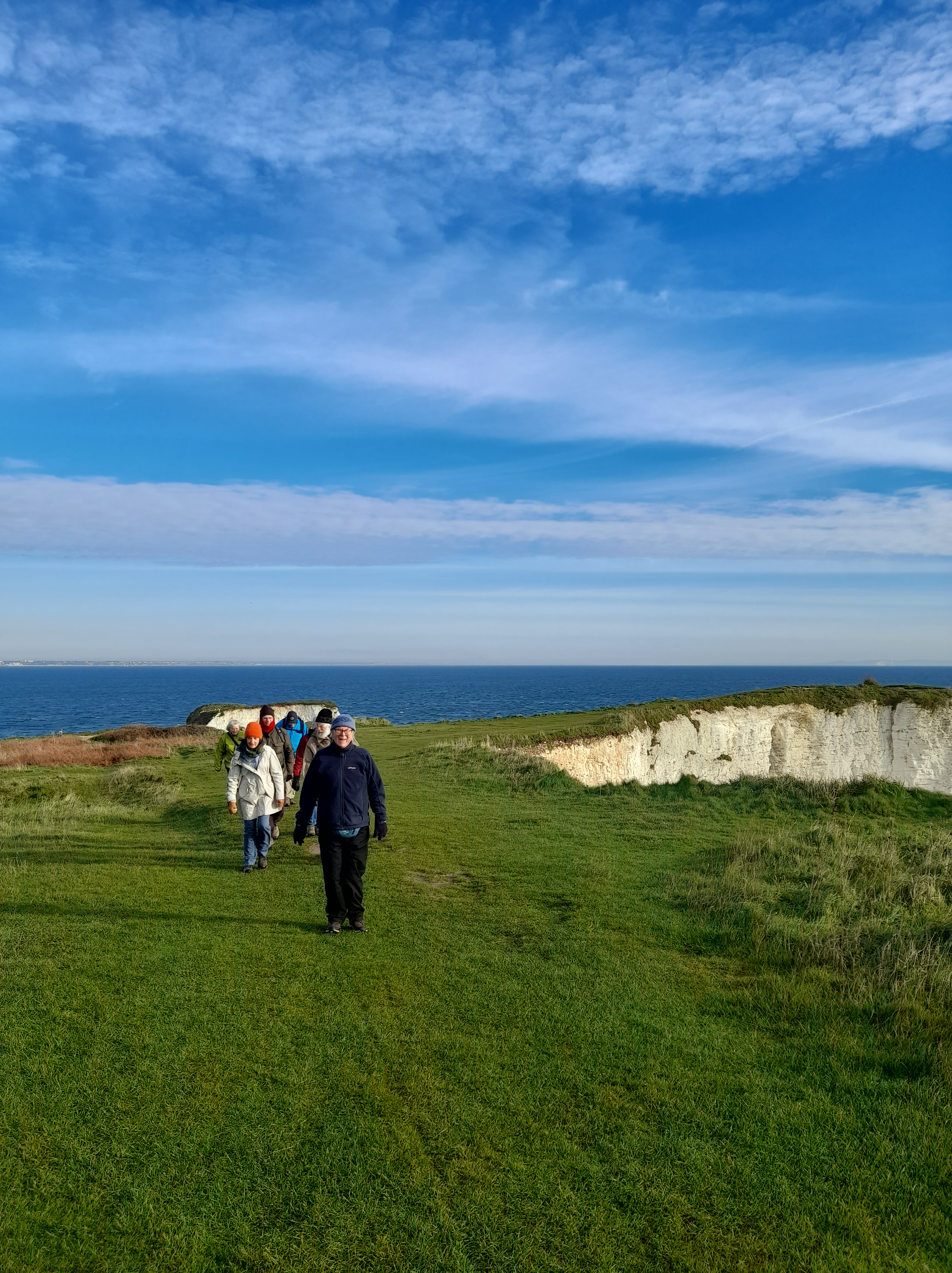
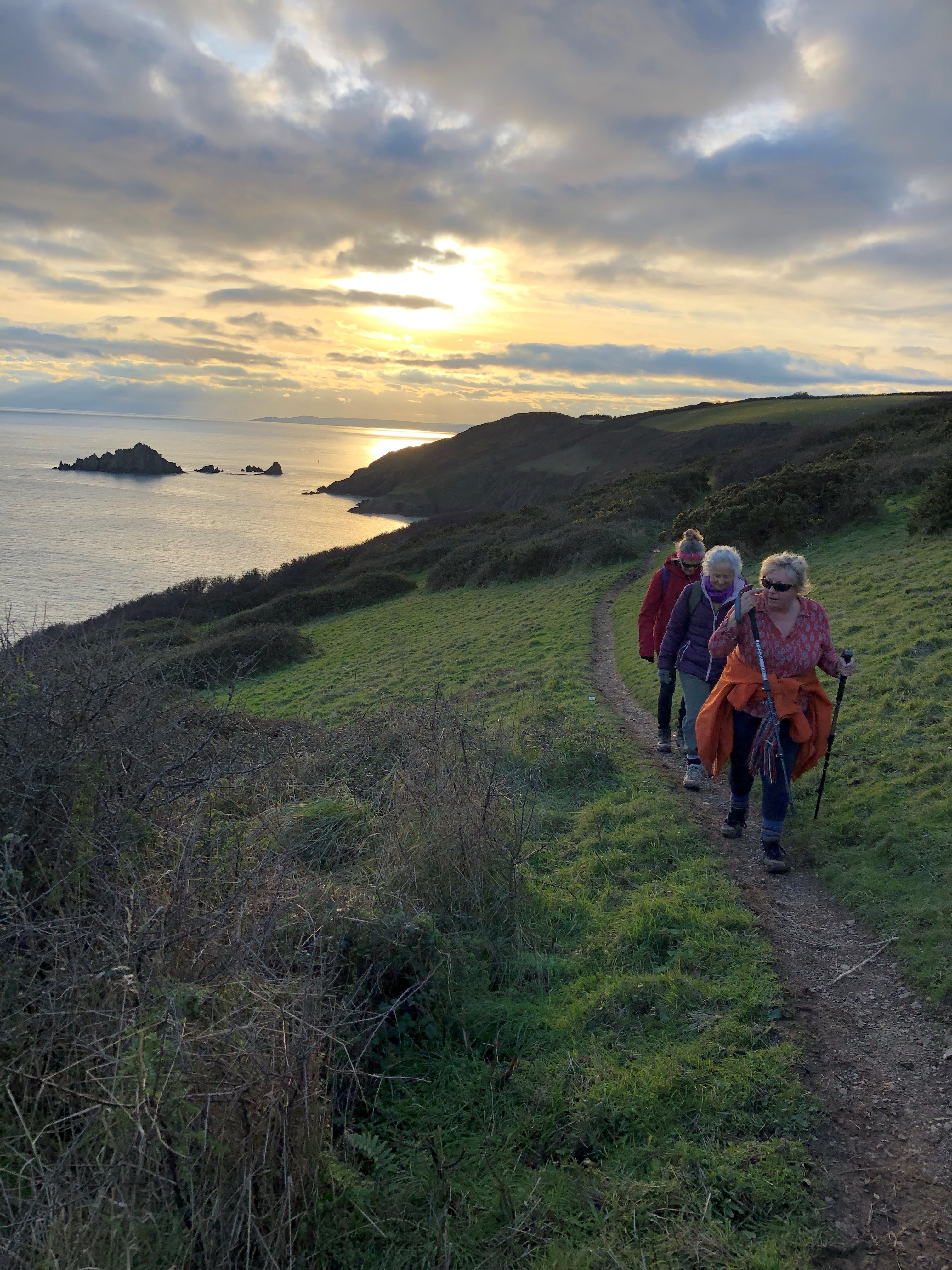
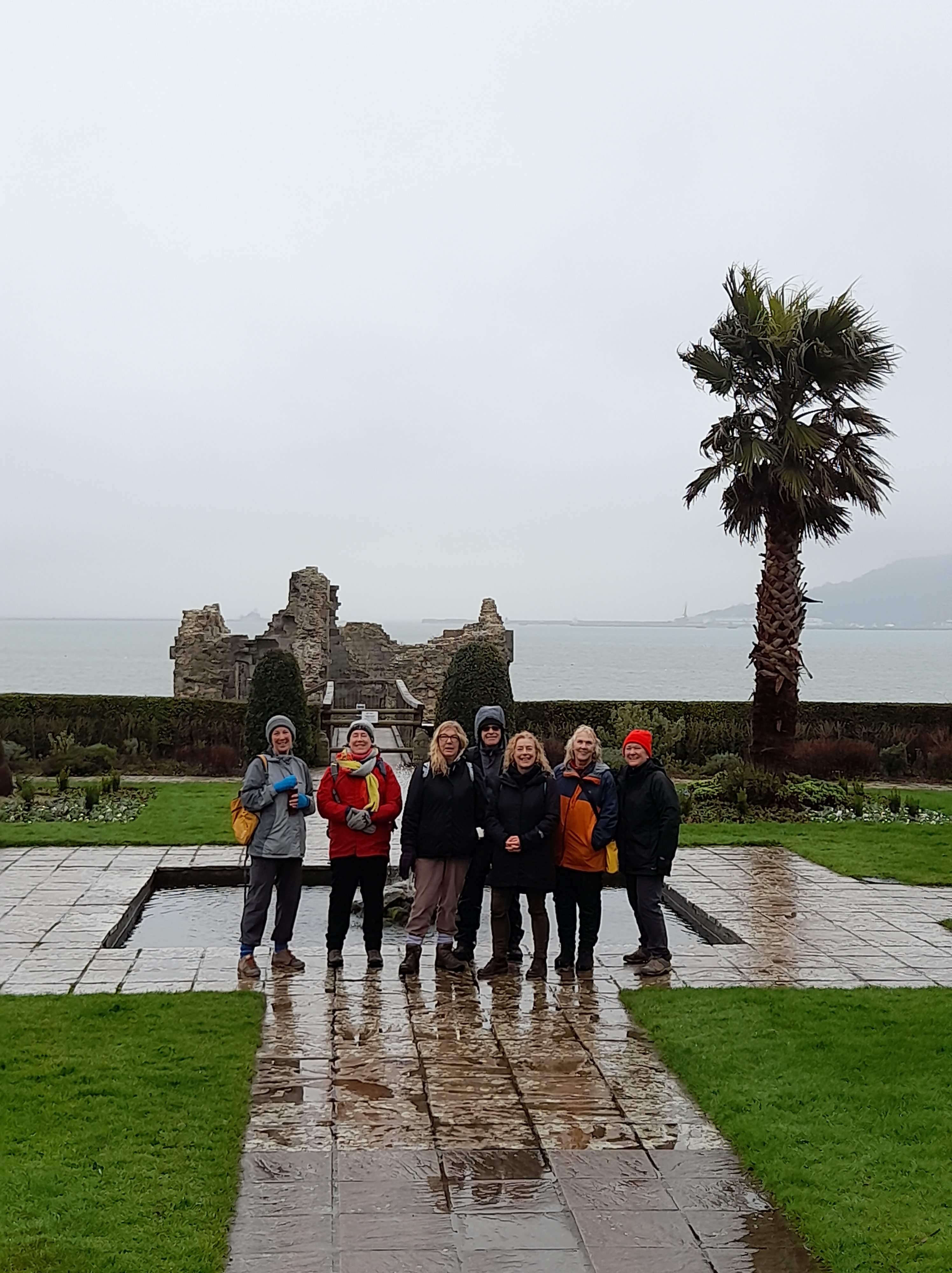
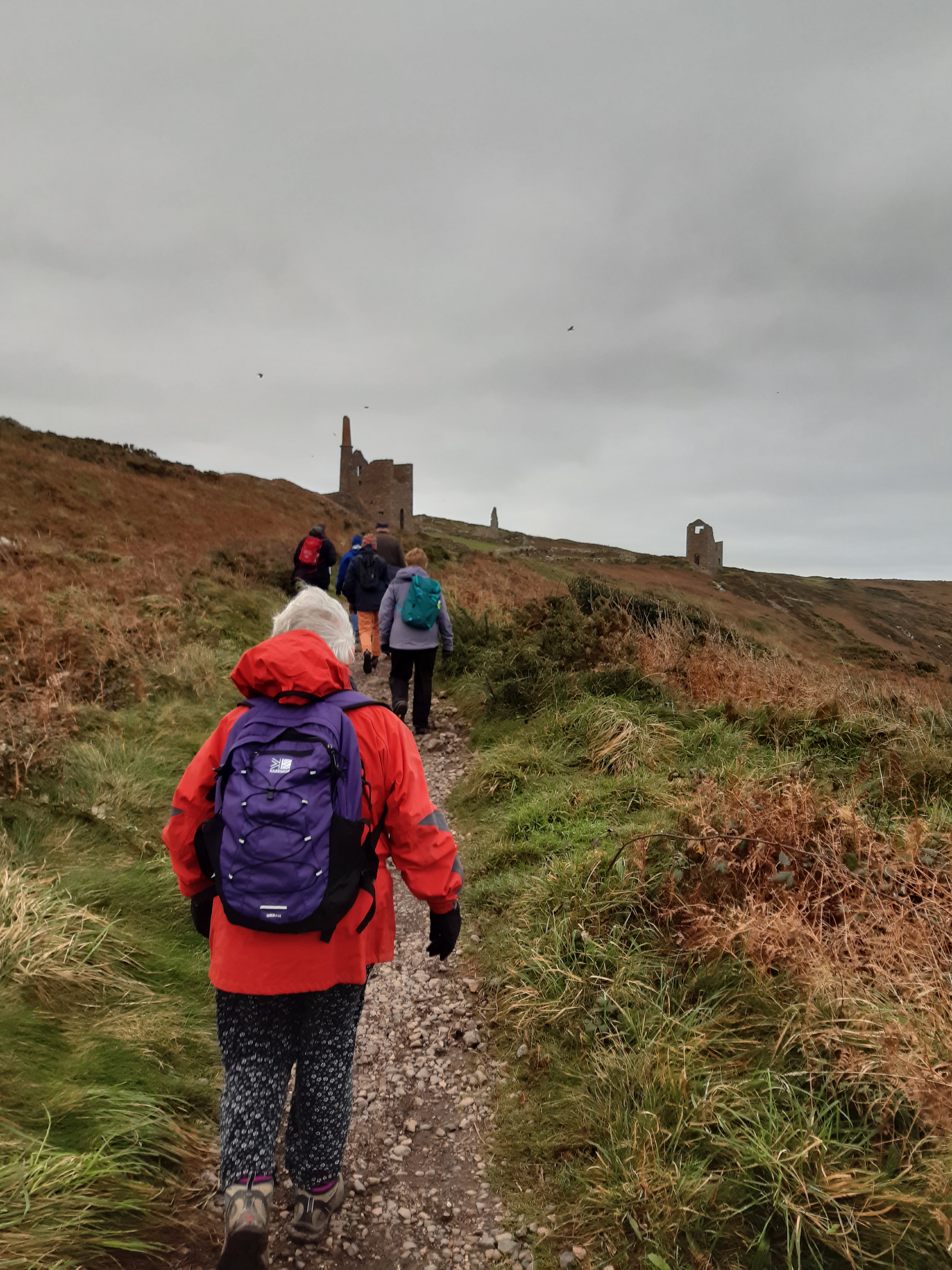
Left to right: Healing Steps walk still smiling in North Devon; Lyme Regis walkers at West Beach, Dorset; Walkers from the Loft, Swanage finding winter sunshine at Old Harry’s Rocks
Considering the Impact on the Trail
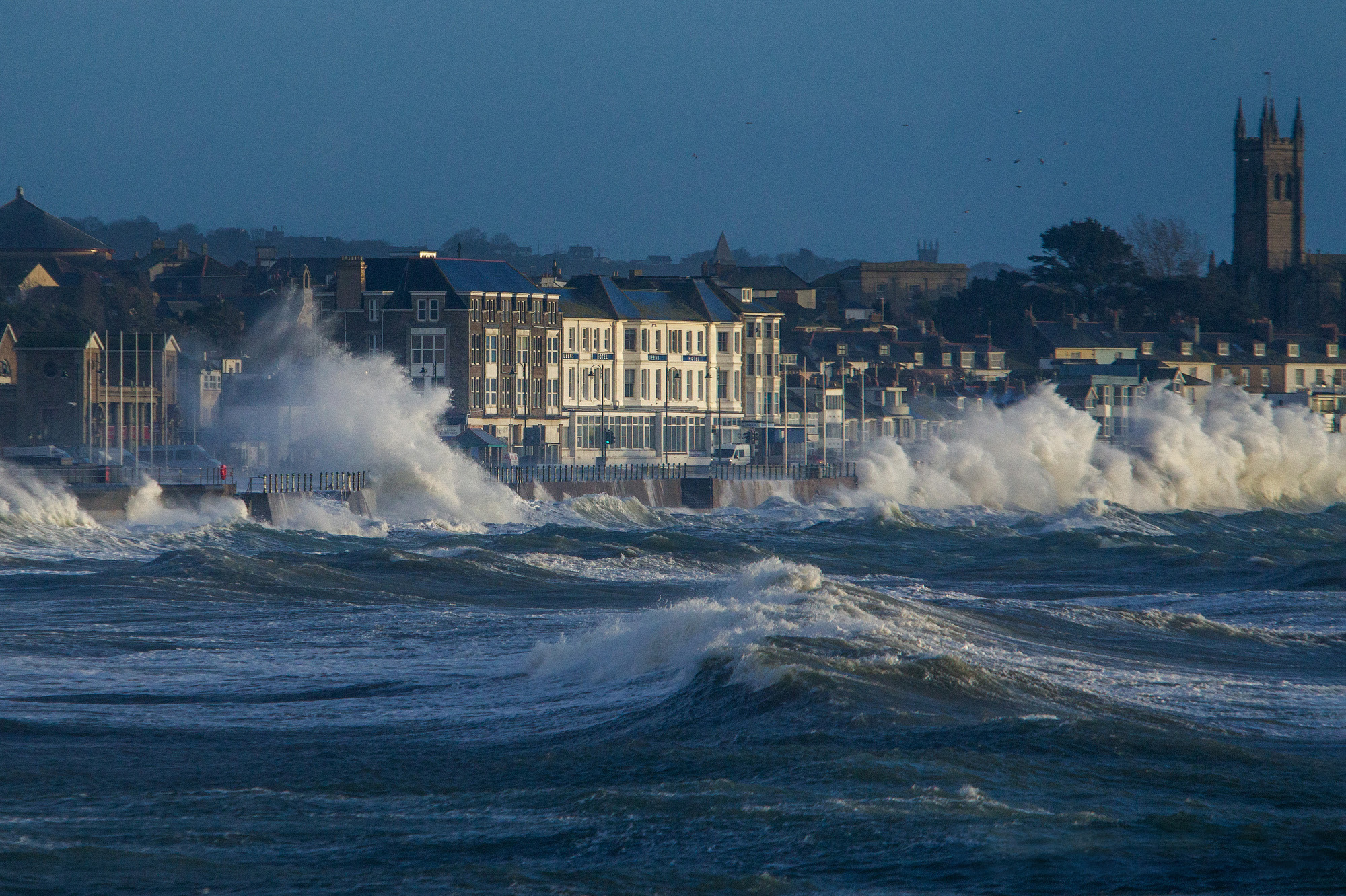
Wet weather doesn’t just affect safety — it can also affect the coastal environment.
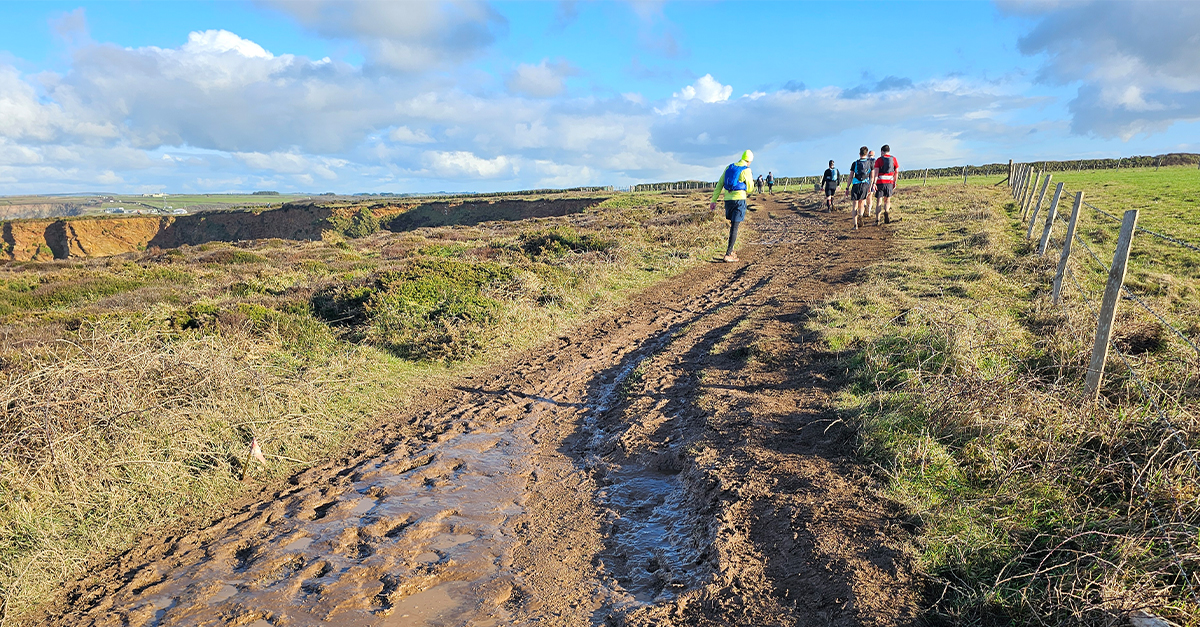
On particularly wet days, repeated footfall on soft ground can cause significant damage. Muddy trails quickly widen as people step around puddles, harming surrounding vegetation. Waterlogged sections can become deeply rutted, increasing erosion and making future walks more difficult for everyone.
As leaders, we consider not only whether a path is safe, but whether using it could cause avoidable environmental damage. During prolonged wet conditions, we may opt for gravel or paved routes instead.
When We Do Have to Cancel
Walking is an important part of the week for many people. It supports physical health, mental wellbeing, and social connection. However, there are occasions when conditions are simply not suitable. If the Met Office issues an Amber or Red weather warning, we always cancel. We may also cancel if local conditions are particularly adverse and we feel the walk cannot be delivered safely.
Even a Short Walk Is Worthwhile
Getting out, even for a short time, is still valuable. A gentle 20–30 minute walk in light rain or cool air can lift mood, maintain routine, and provide meaningful connection. Often, the walks that go ahead in less-than-perfect weather are the ones people remember most — especially the sense of achievement afterwards.
Here are a few reflections from our Community Engagement leads:
Gemma – Plymouth
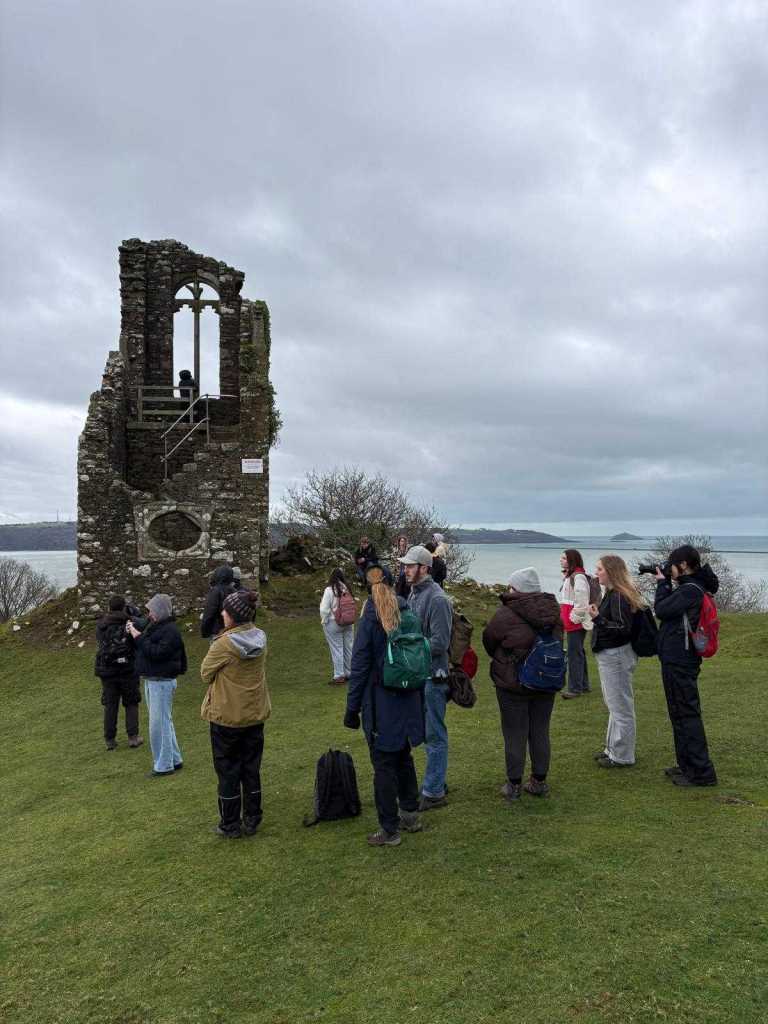
Our biweekly wellbeing walks in Plymouth were originally set up to provide short, local walks during the winter when we could struggle to explore further from the city. Even when it’s raining, we always get a group who are happy to take a walk, even if it’s just for 10 minutes to a local cafe and back again. The opportunity to get out and socialise is a major draw for many people, especially during the winter months, and I usually find that the group are happy to brave the elements and go for it. Sometimes we do get a bit soaked, other times we are lucky and get a break in the weather long enough to see some blue sky over Plymouth Sound, but the company and conversation always brighten the mood.
Photo: University of Plymouth student walk at Mount Edgcumbe, Jan 2026
Huw – North Devon
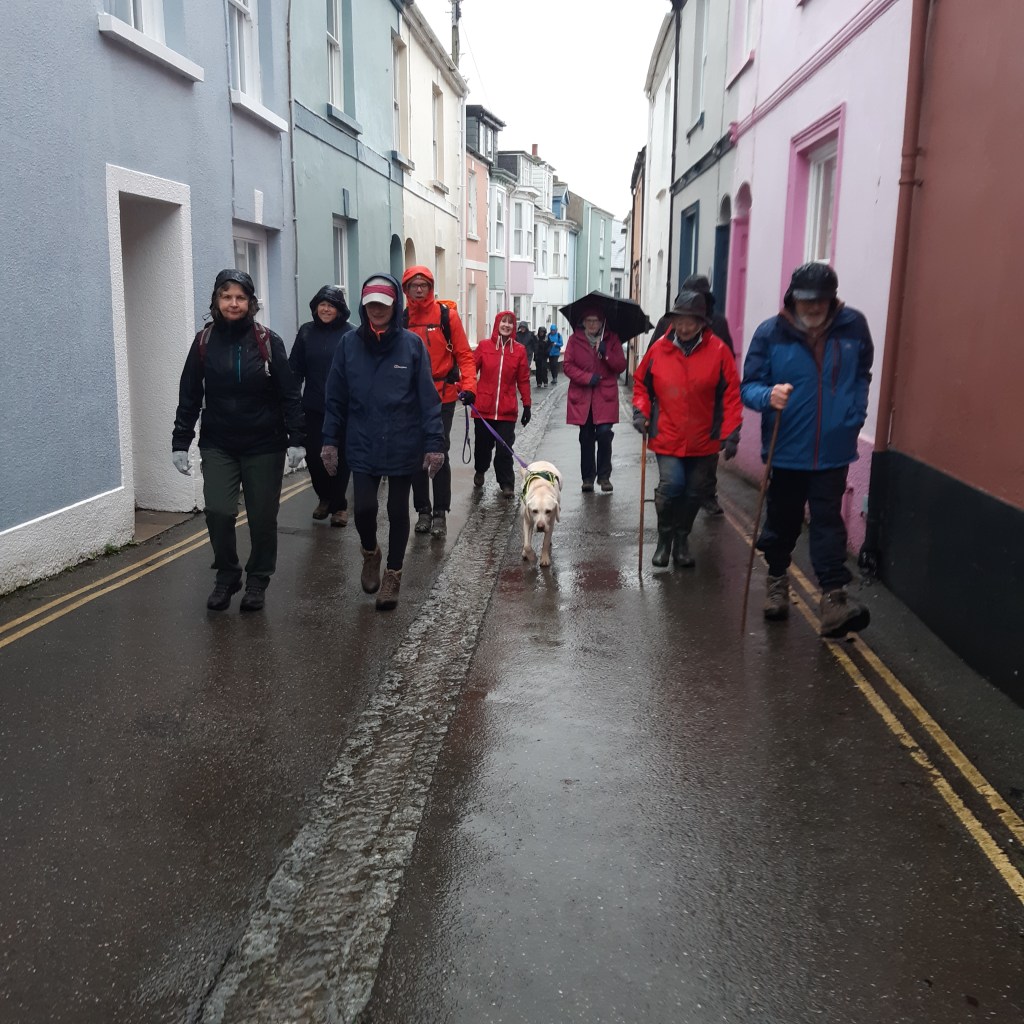
The North Devon Wellbeing Walk is an open walk for anybody wishing to walk for a couple of hours and have some refreshments afterwards. This group meet on the second and fourth Tuesday of each month. The first walk in February was around the Skern from Northam Burrows to Appledore and back. It had basically rained everyday since Christmas and my confidence for a good turn-out was low. To my surprise we had excellent attendance with fourteen participants and two volunteers. Despite the (sometimes heavy) rain, walkers ploughed on through. Although we spotted many waders on the shoreline unfortunately, we couldn’t keep the rain out of the binoculars. We stopped at the Beaver Inn for refreshments; there were puddles under each of the tables! We then set off along Irsha Street back to the Burrows. When I asked walkers, why come out in such poor weather most said they were suffering from cabin fever and were determined to go out this week regardless.
Photo: Health and Wellbeing walk through Appledore, Feb 2026
Jack – Cornwall
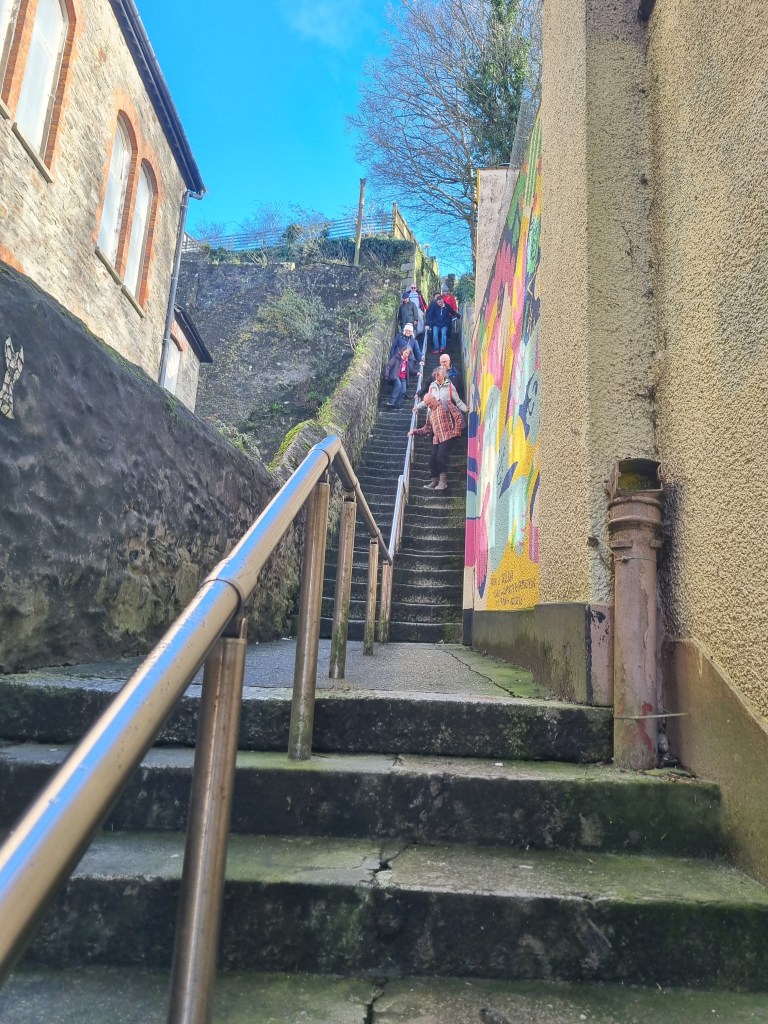
Much of the Coast Path is exposed to all weather conditions, and we often plan our winter walks so they are adaptable in bad conditions. Late in 2025 we were planning a Swanpool to Meanporth walk (Falmouth), but with the forecast poor we decided to change it and head towards Pendennis Headland, knowing that there was plenty of cafes to jump into if the weather turned. As expected it did and after a short stretch getting drenched we made it to the Falmouth Princess Pavillions for a warming drink.
Photo: Navigating Jacob’s Ladder steps in Falmouth, Jan 2026
If you’re interested in joining our Coast Path Connectors walks head to our website where you can find details of upcoming walks.
Each hub has a page that lists the walks specific to each area.
https://www.southwestcoastpath.org.uk/coast-path-connectors
 The South West Coast Path
Love this. Like you say, it’s not just about the walk, but all the other bits, like routine and connection 💚💚💚😊
LikeLike