
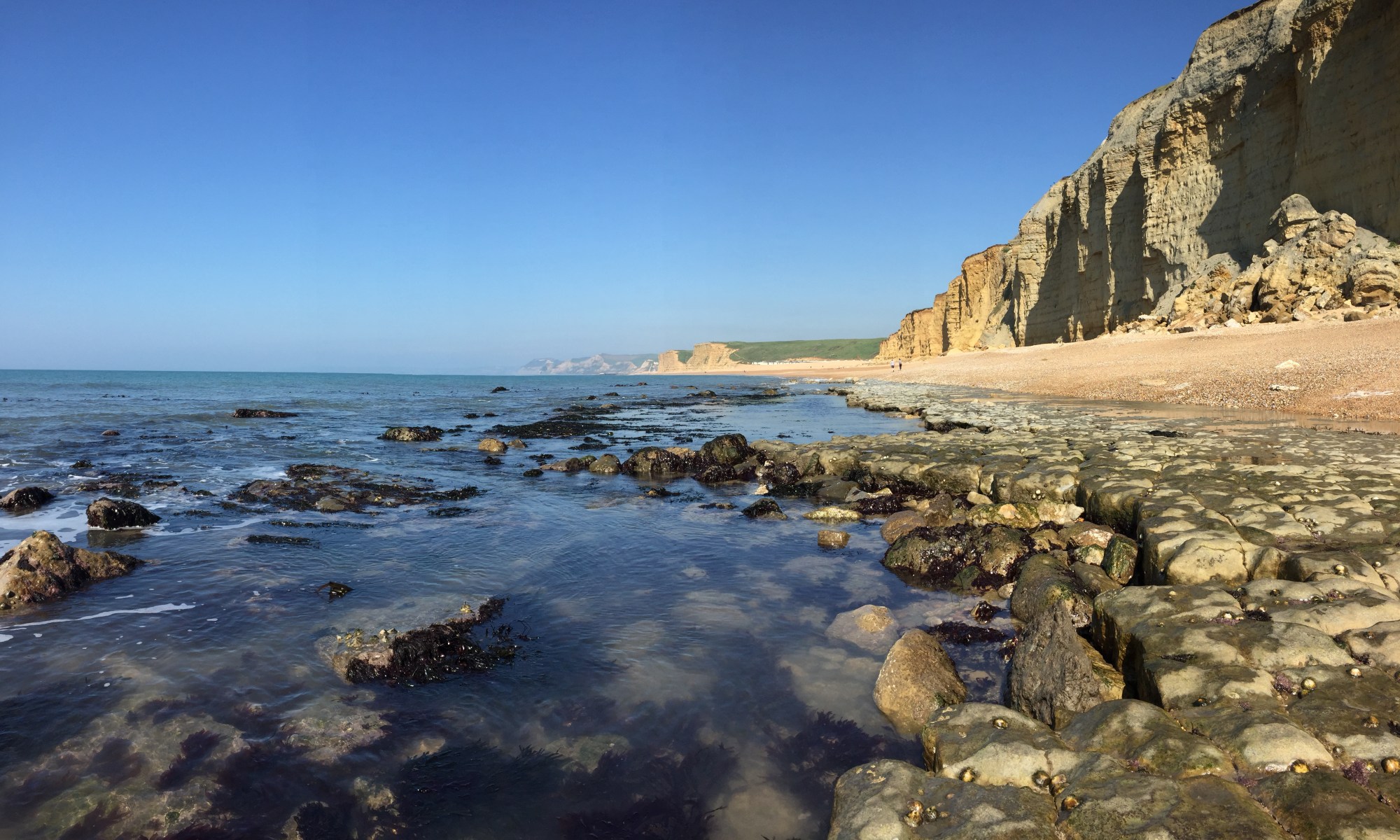

This year the Jurassic Coast is 25 years old… but only if you’re counting since it’s been a World Heritage Site. To record its true age, you’d have to go just a little bit further back, say 250 million years or so.
In 2001, UNESCO recognised that the geological heritage of the Dorset and East Devon Coast was so exceptional that it transcended national boundaries and was of common importance for present and future generations of all humanity. This is what it means to be a World Heritage Site and describes a concept that UNESCO refer to as Outstanding Universal Value. And on the Jurassic Coast that value, that transcendent significance, rests exclusively on three things – the rocks, fossils and coastal landforms.
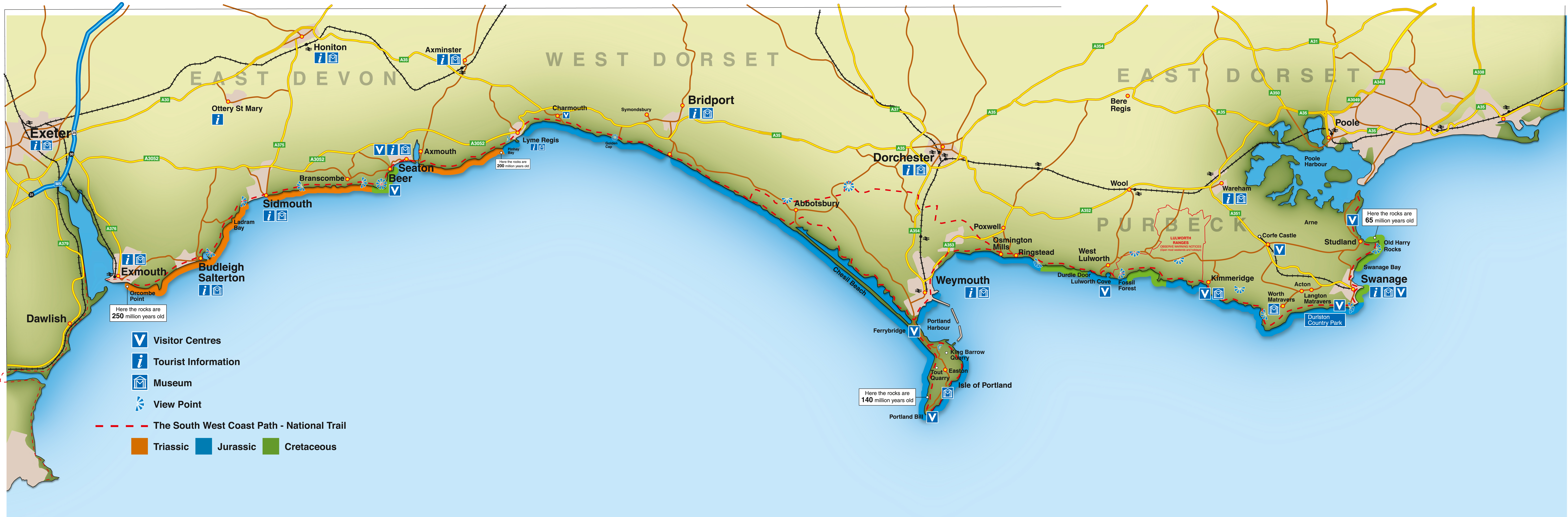
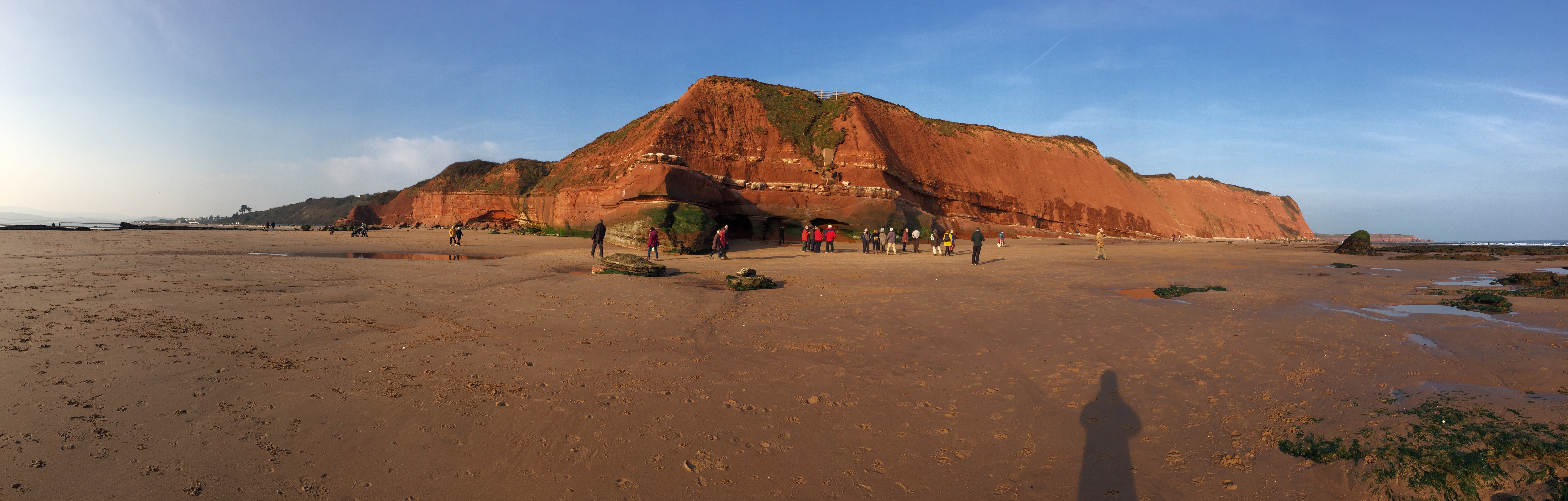
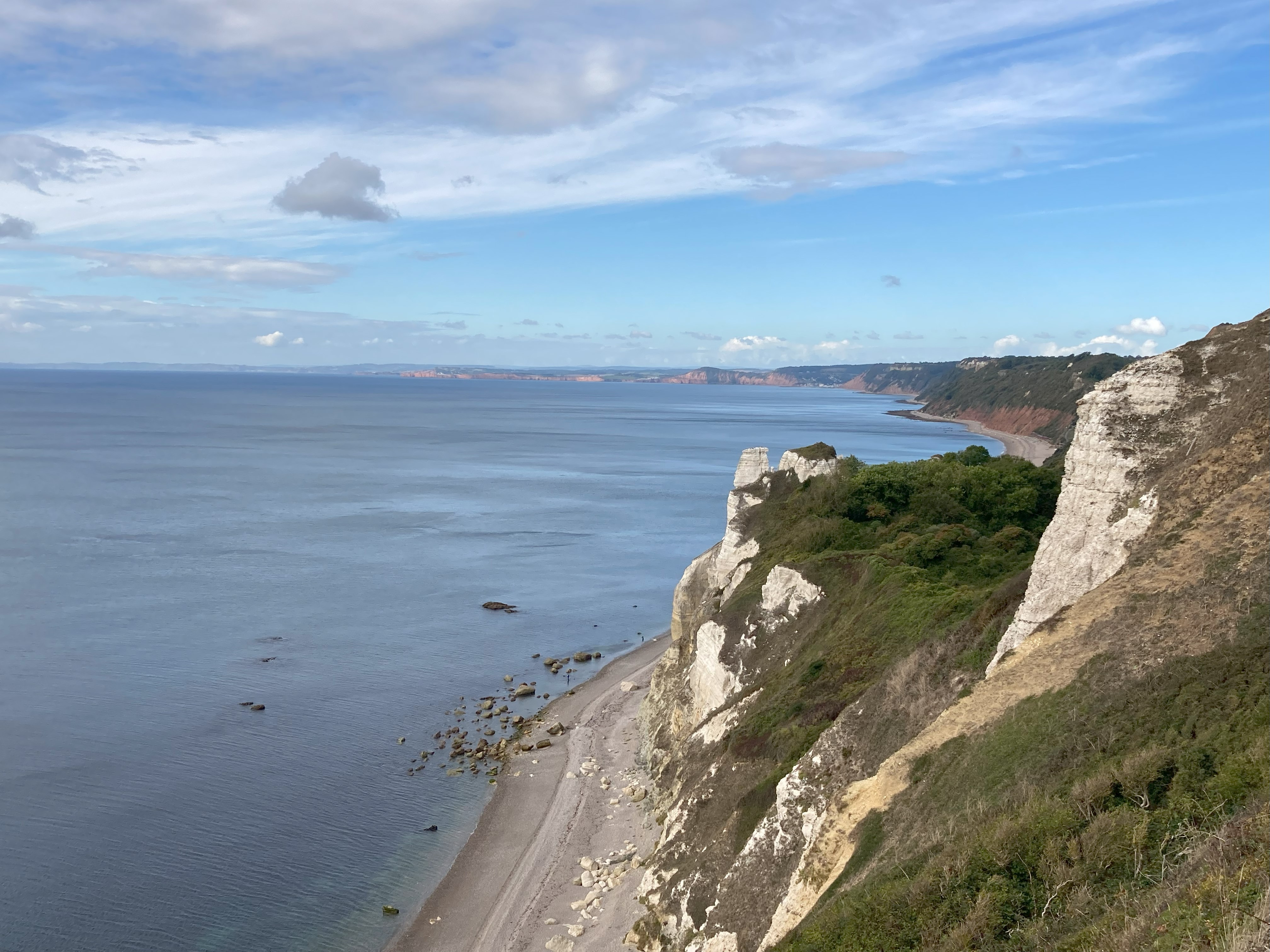
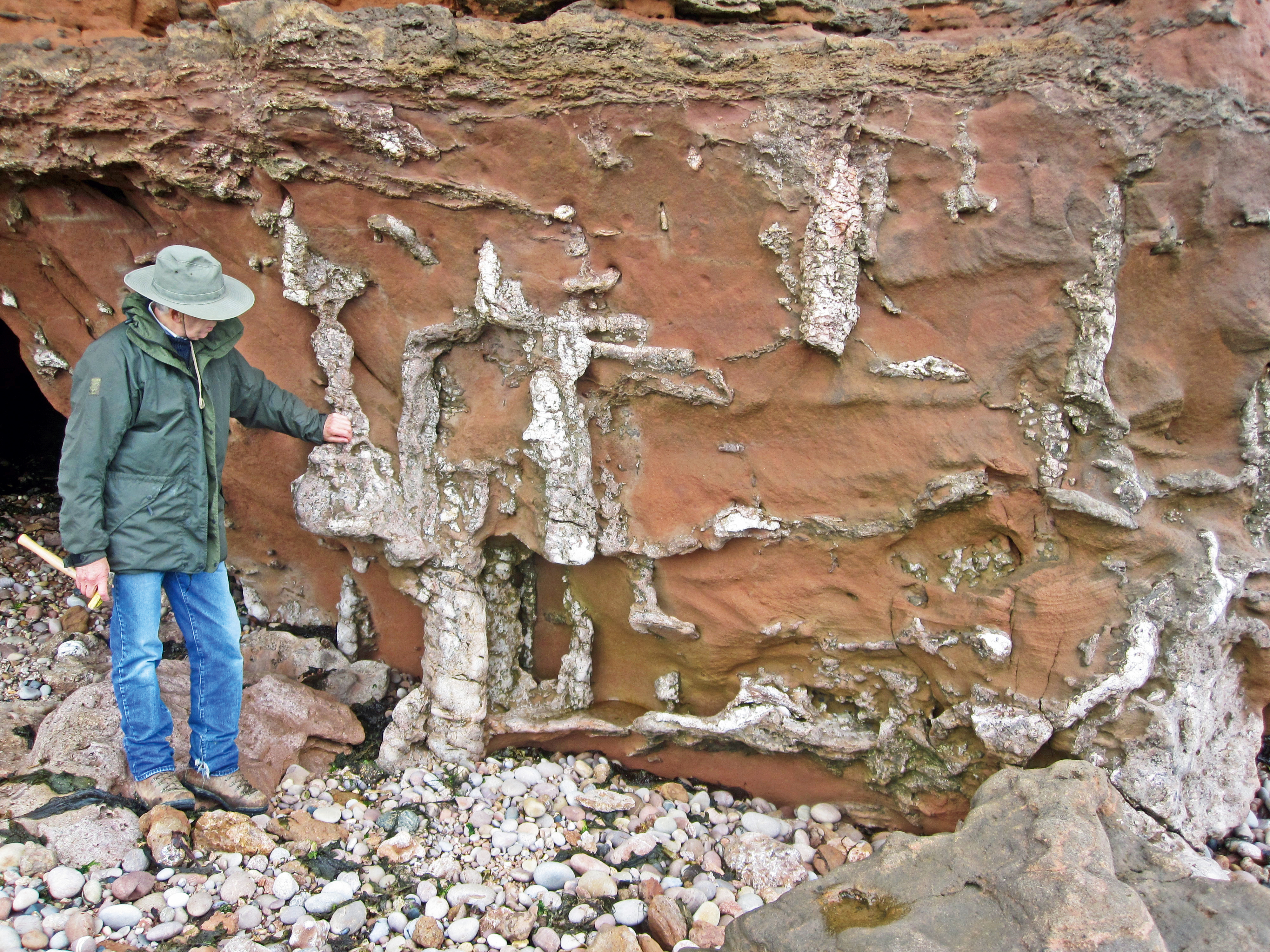
Dorset and East Devon have long been recognised for their exceptional geology and geomorphology. The rocks exposed between Orcombe Point near Exmouth and Studland Bay in Dorset span the entire Mesozoic Era. They represent a near complete record of the Triassic, Jurassic and Cretaceous periods, from around 250 million years ago to 65 million years ago.
Fossils tell a story of the past
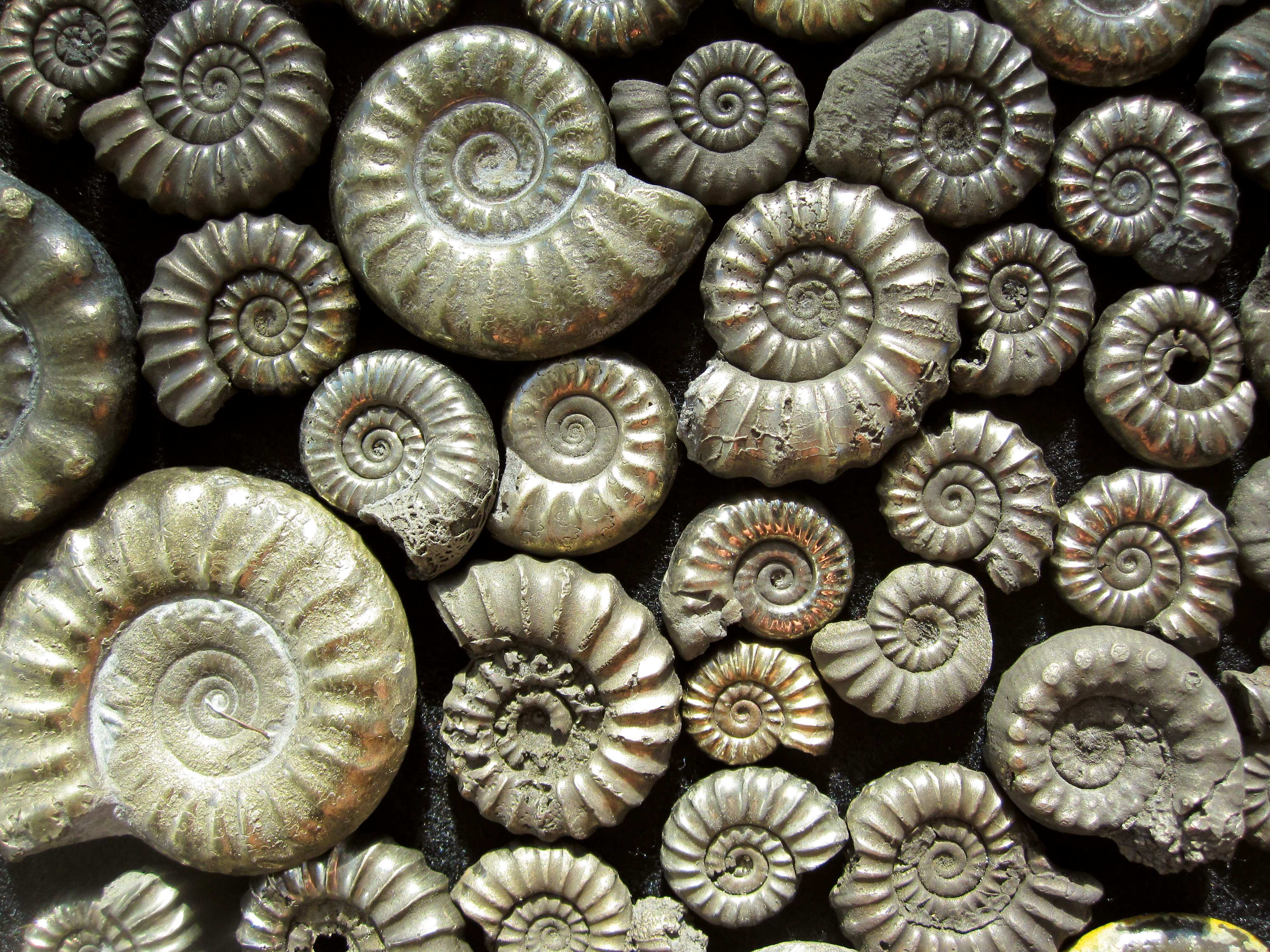
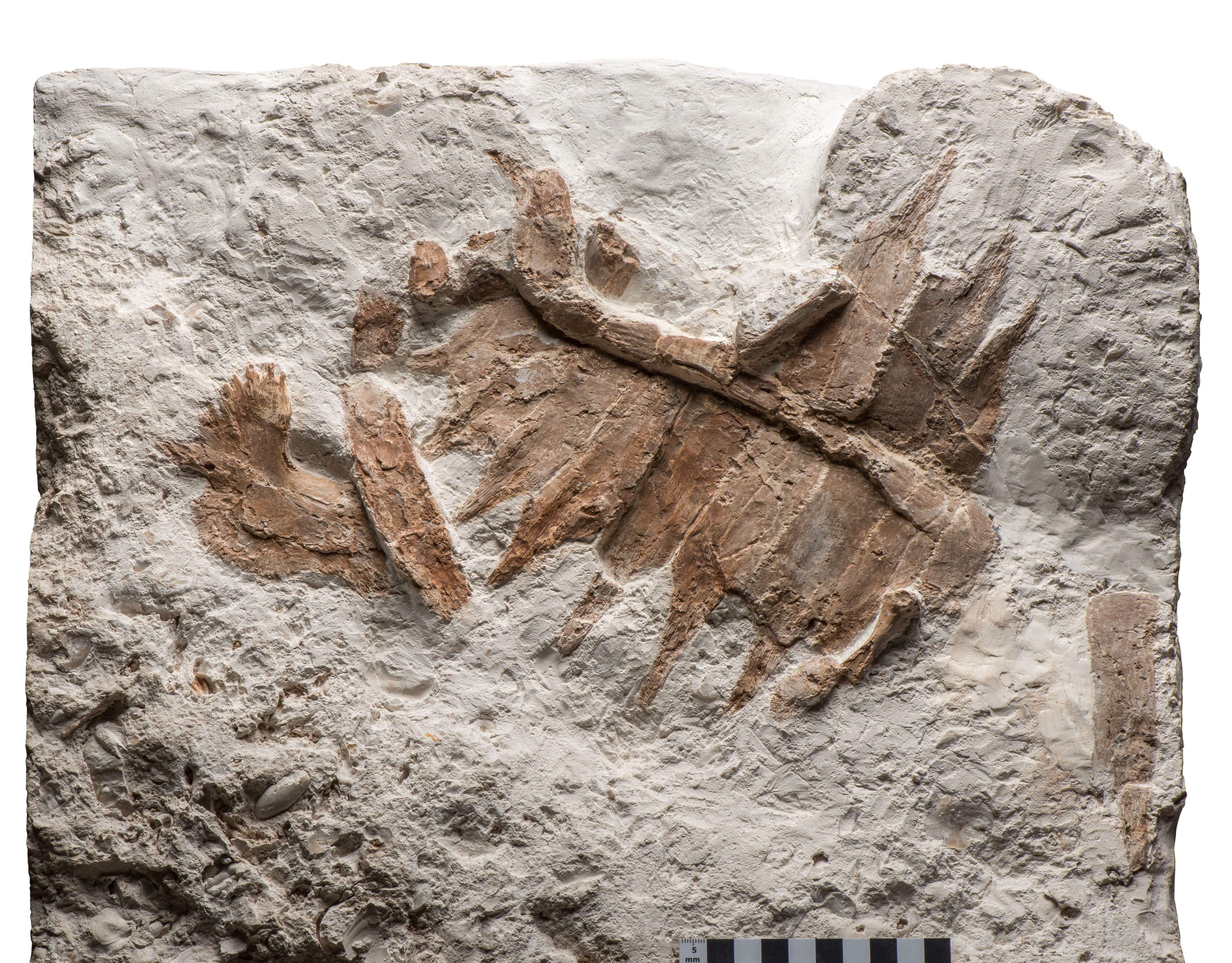
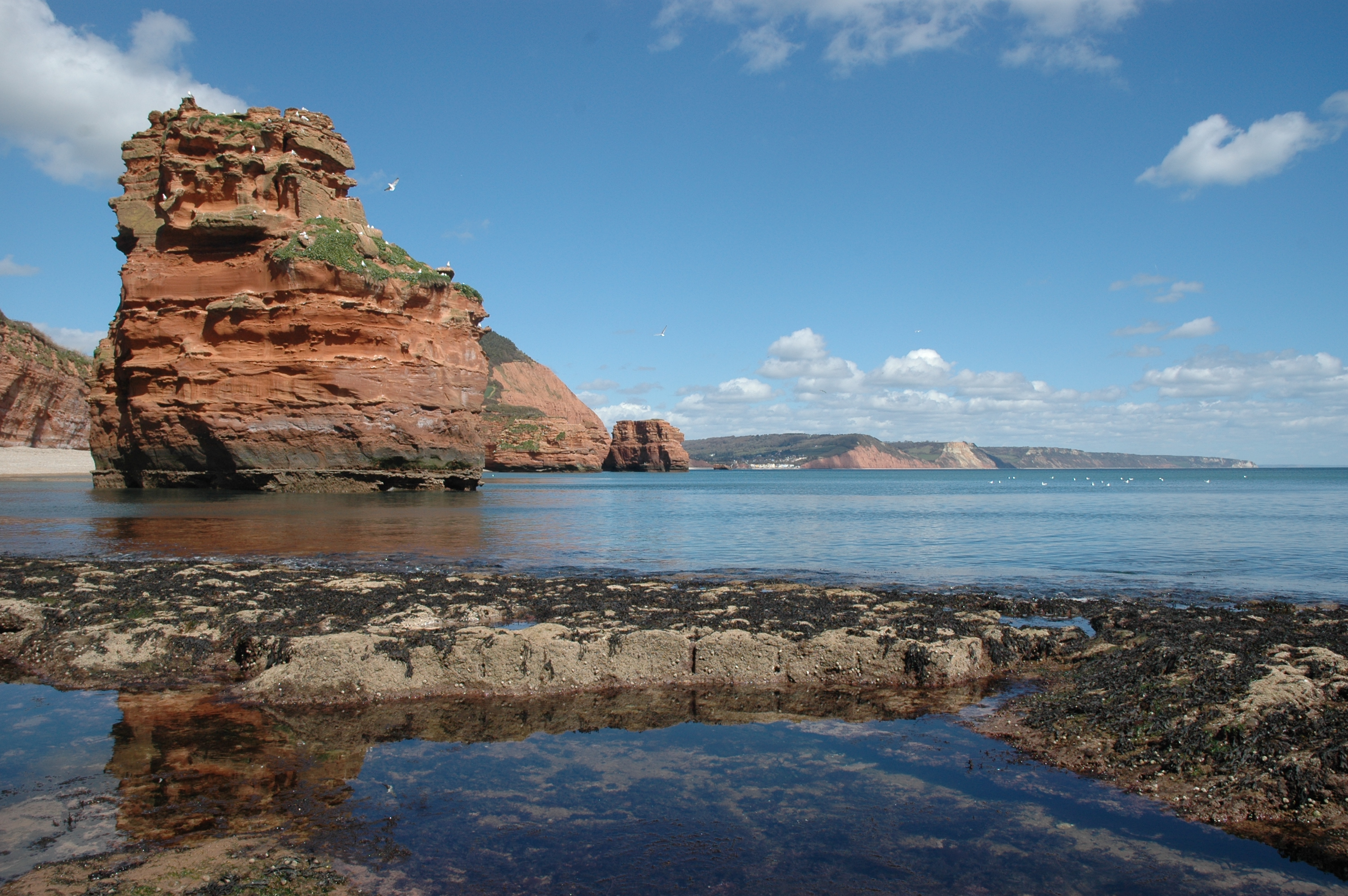
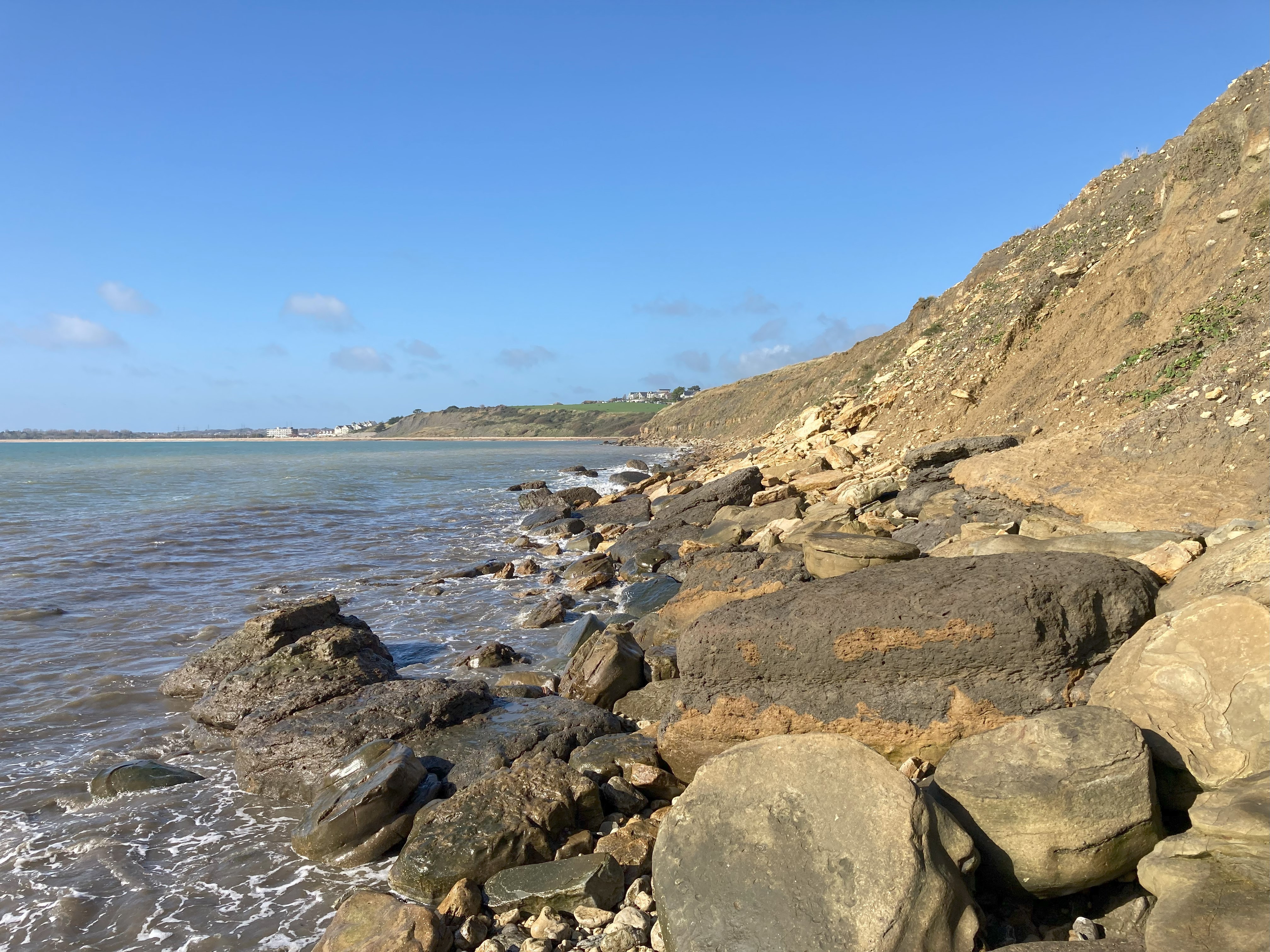
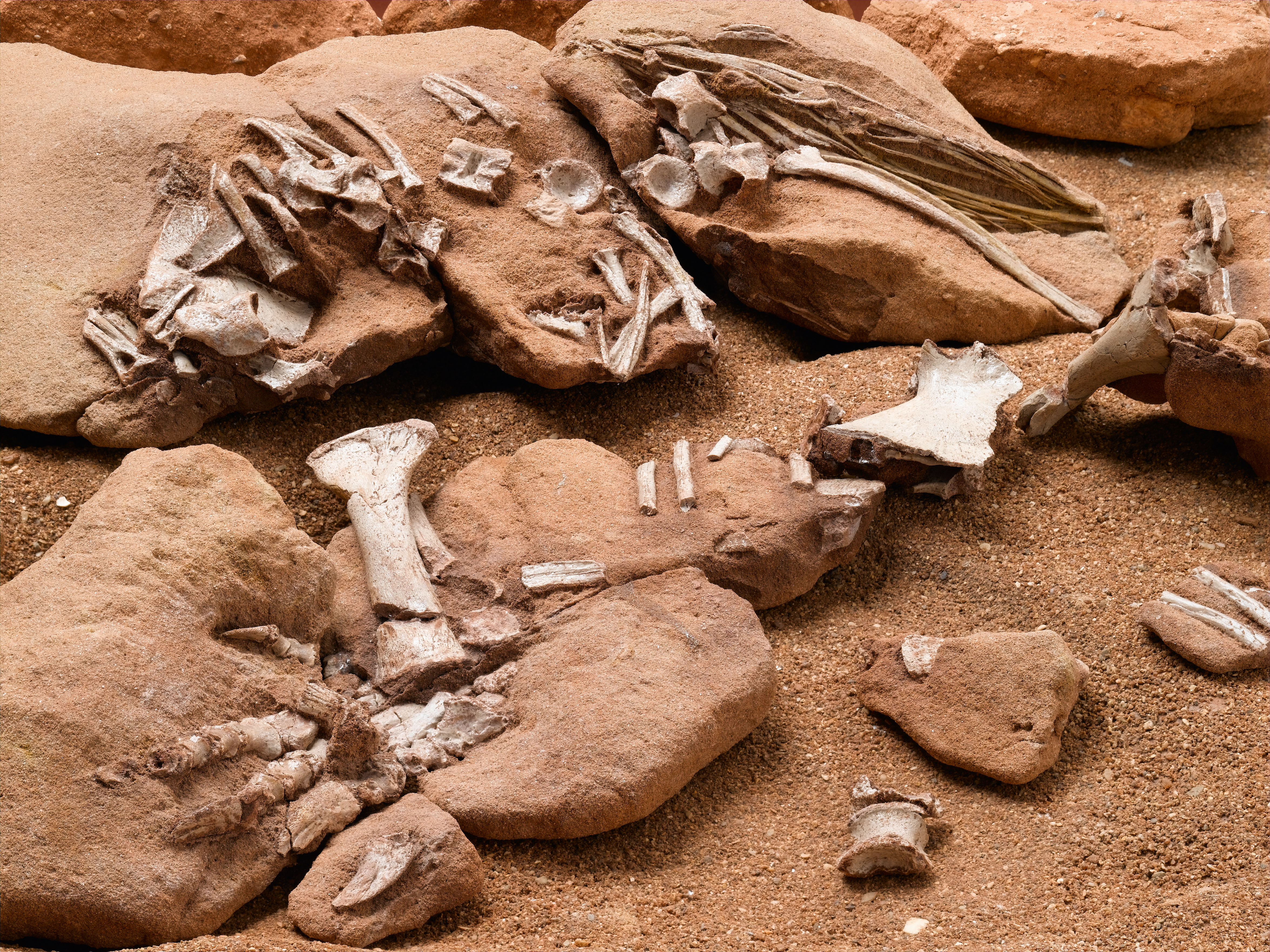
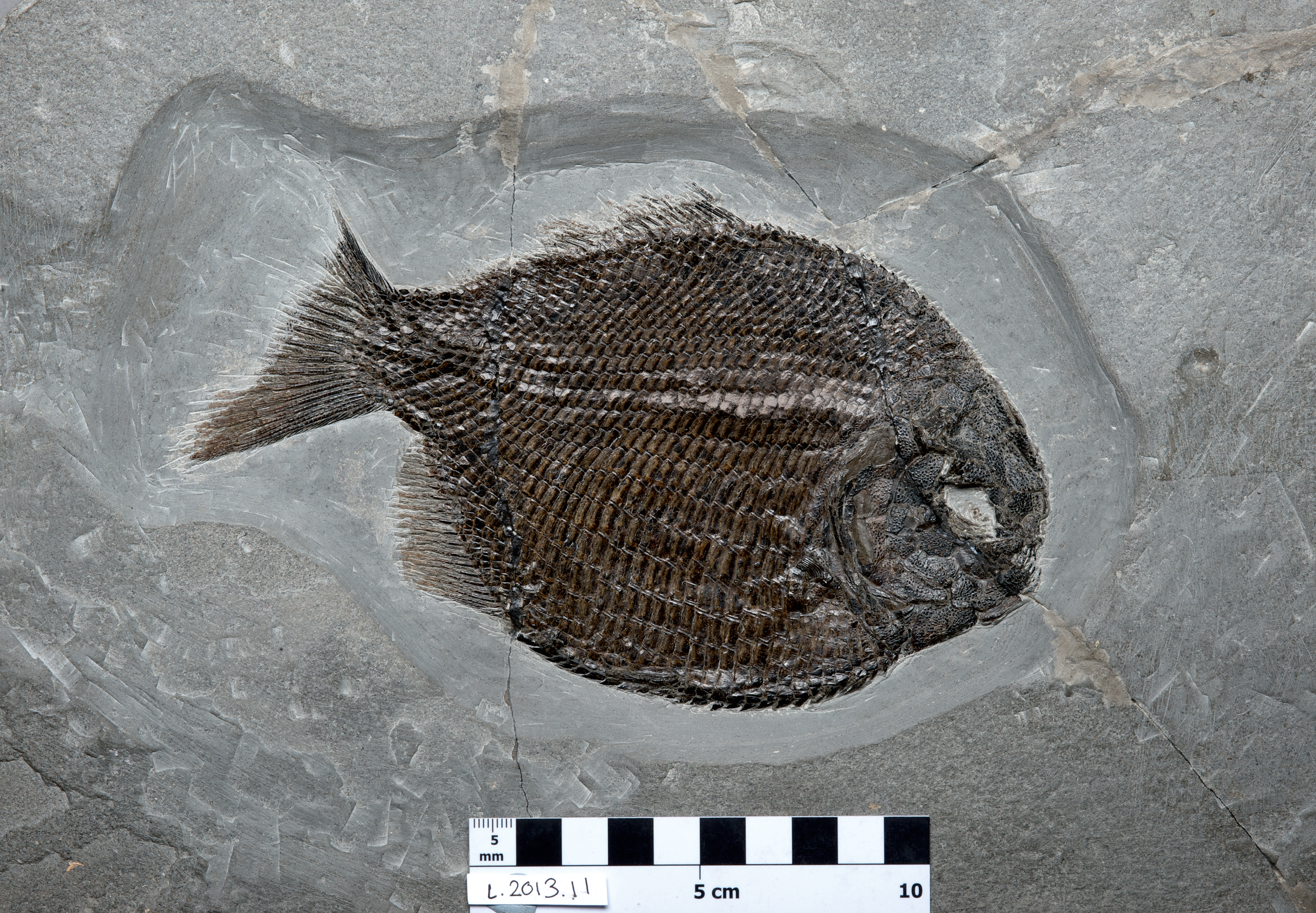
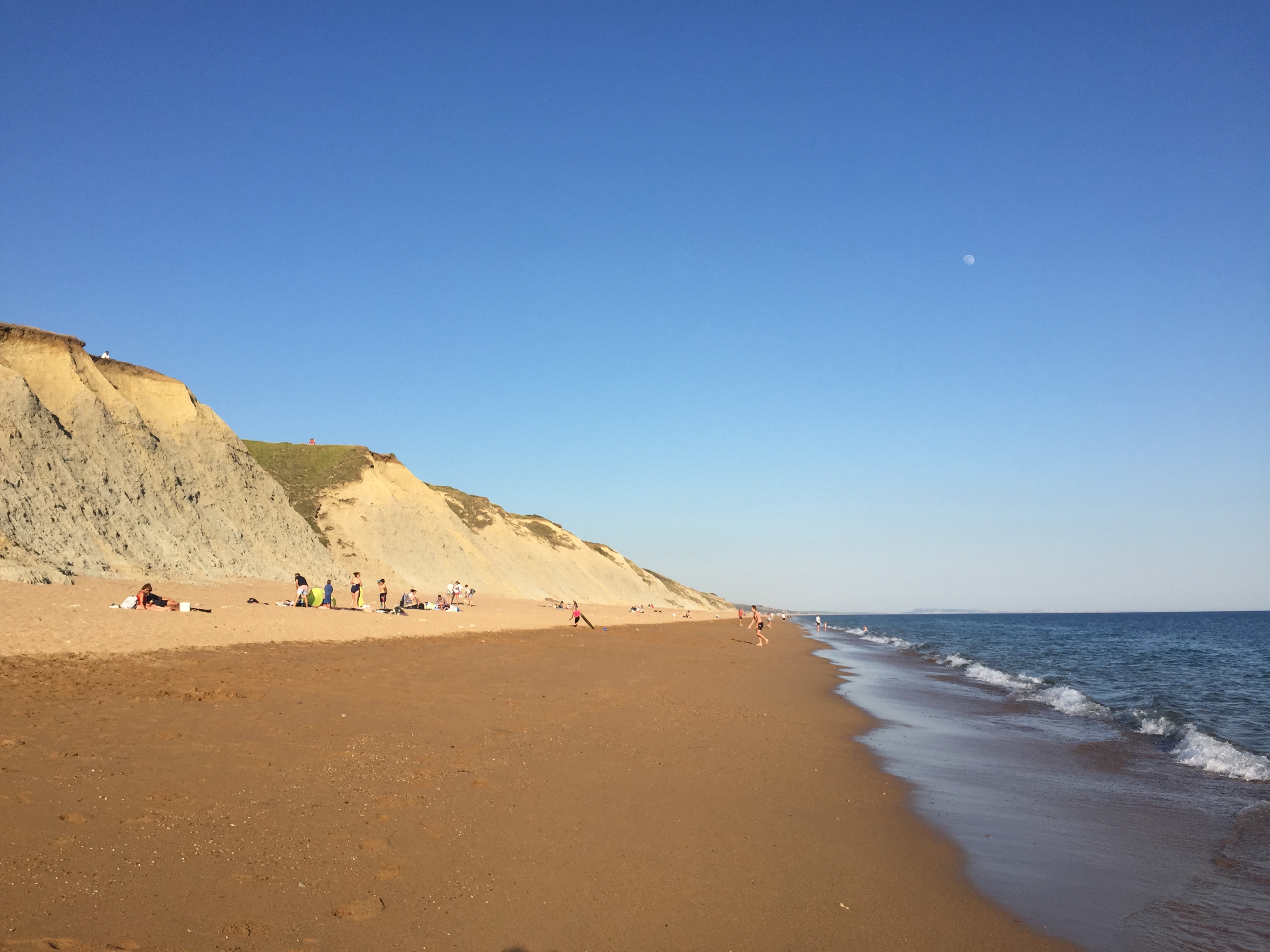
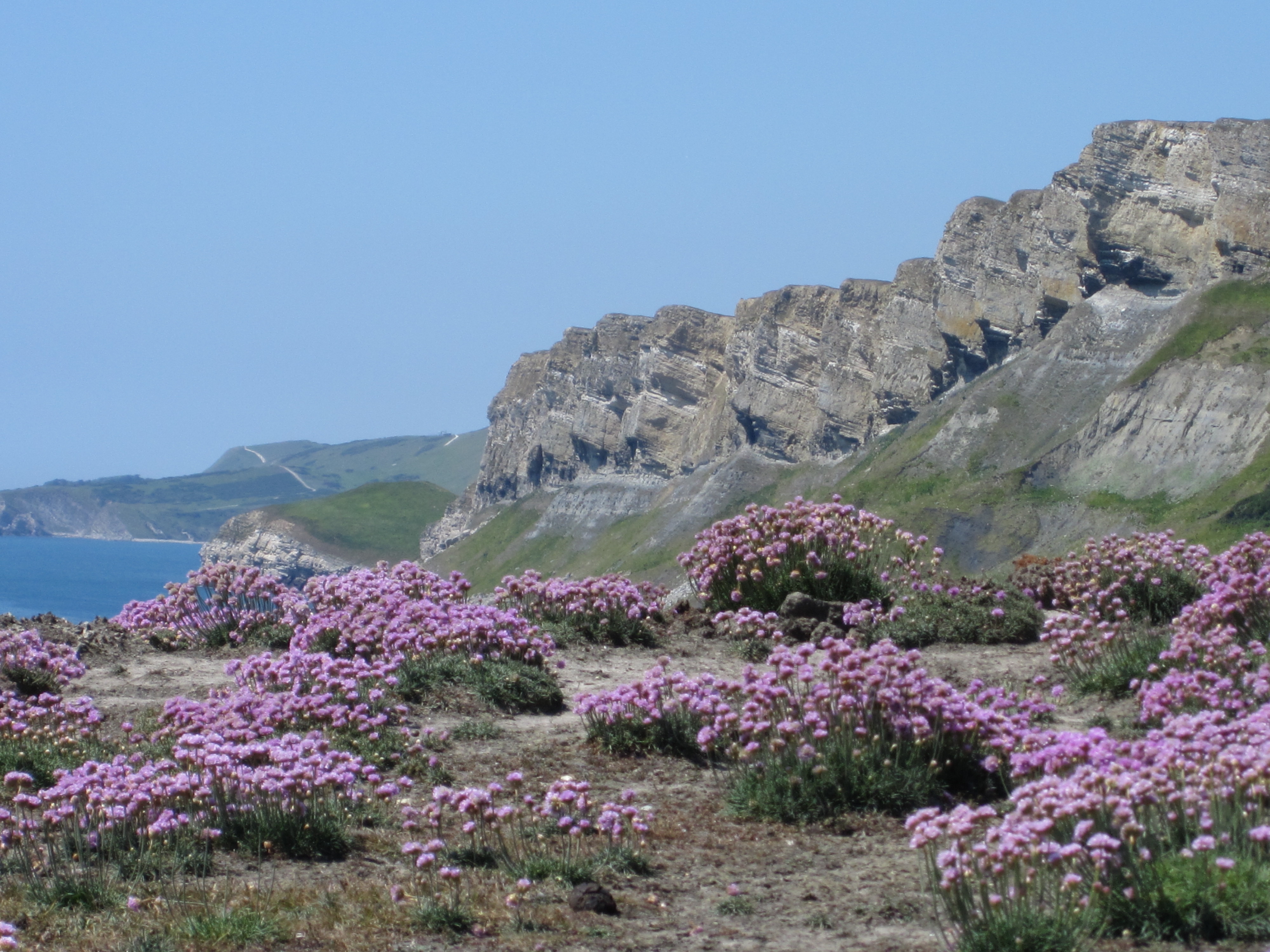
Layers of sandstone, mudstone, and limestone visible in the cliffs and foreshore trace the transformation of environments through time, from deserts, to seas, to lagoons, forests, and rivers. Fossils trapped in those layers provide evidence of the evolution of life, including ancient reptiles, marine invertebrates of all kinds, insects, dinosaurs and even early mammals. It is, in essence, an extraordinary record of the history of planet Earth.
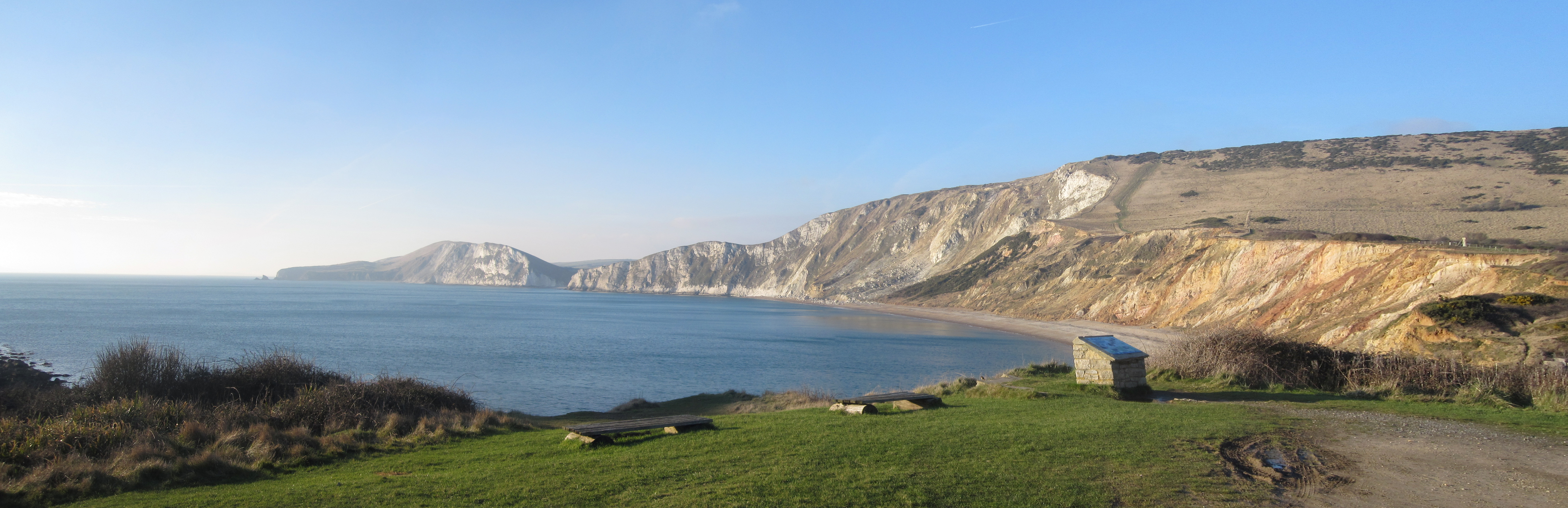
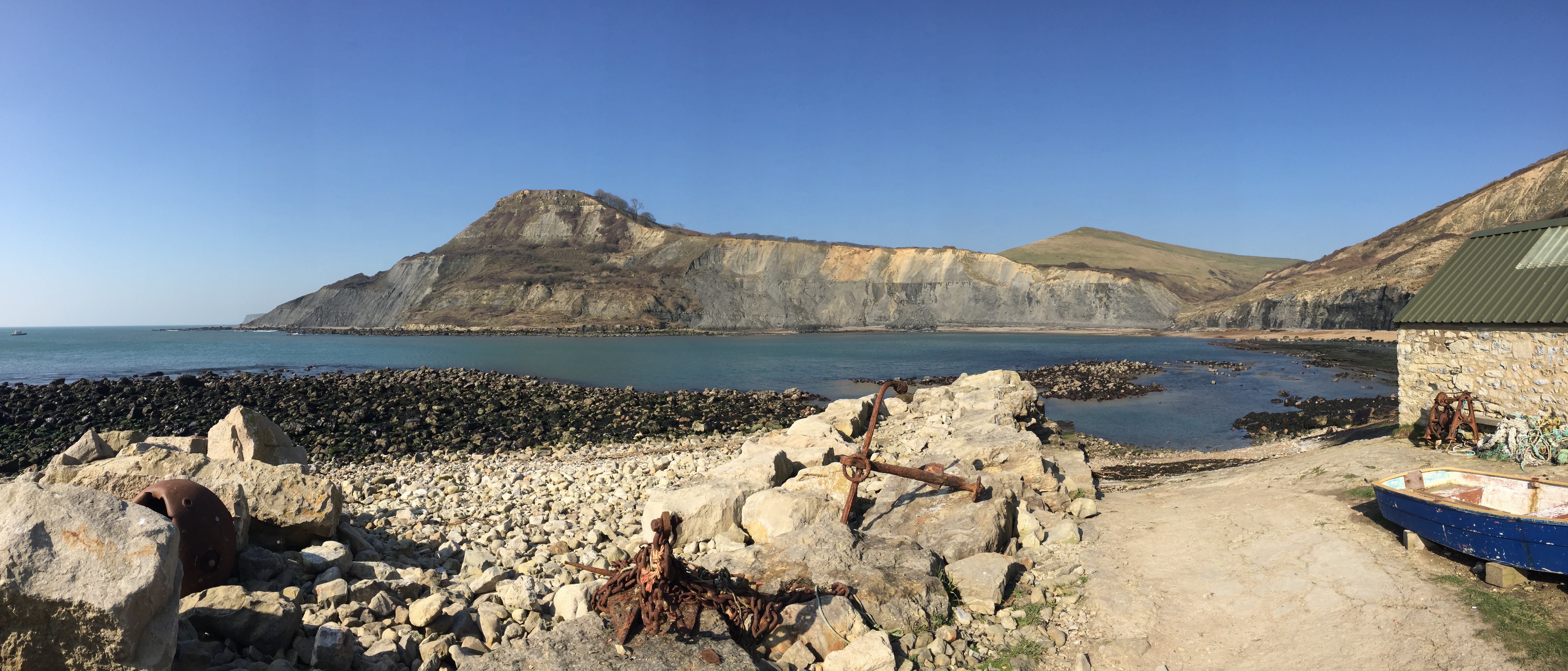
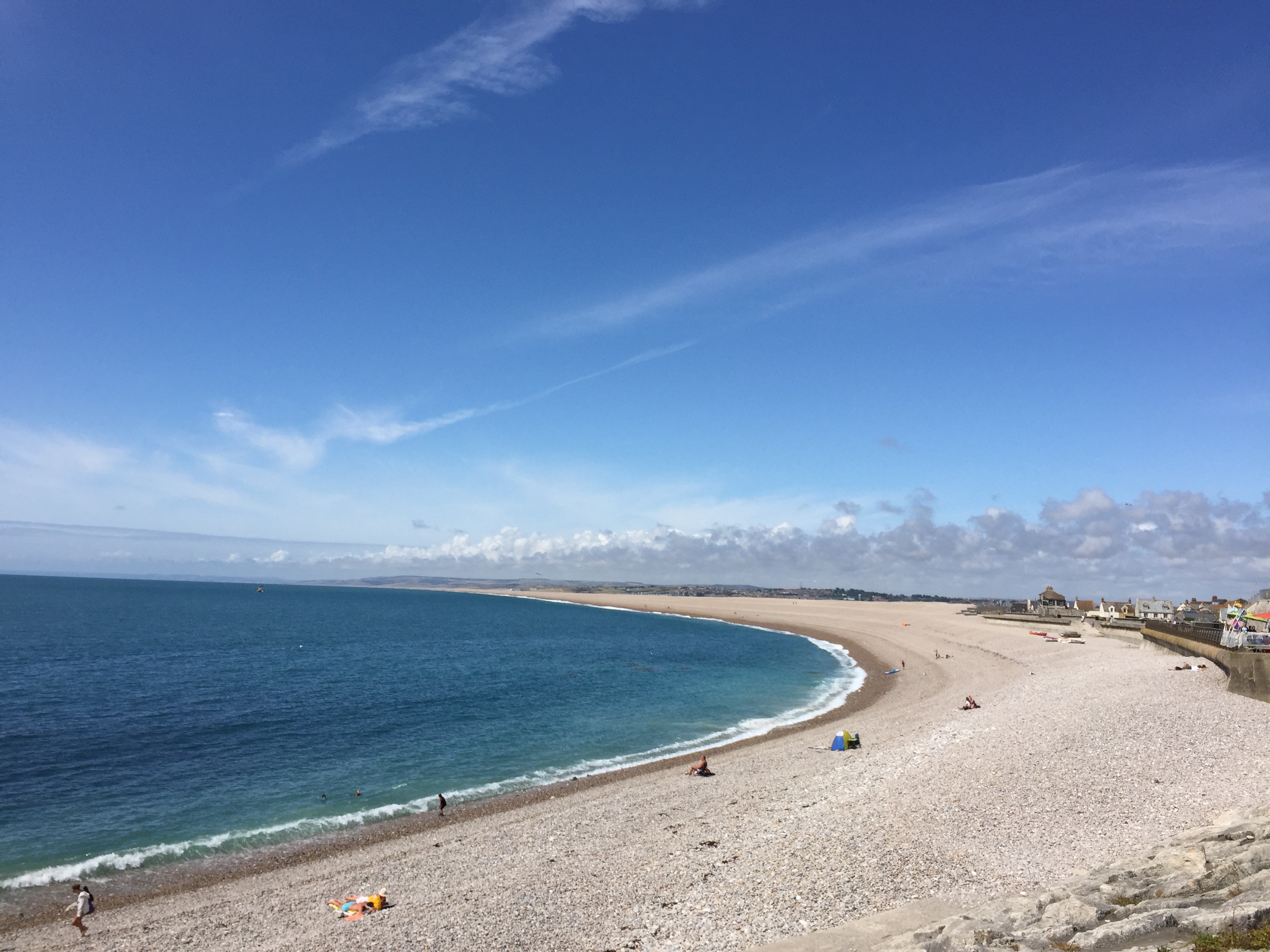
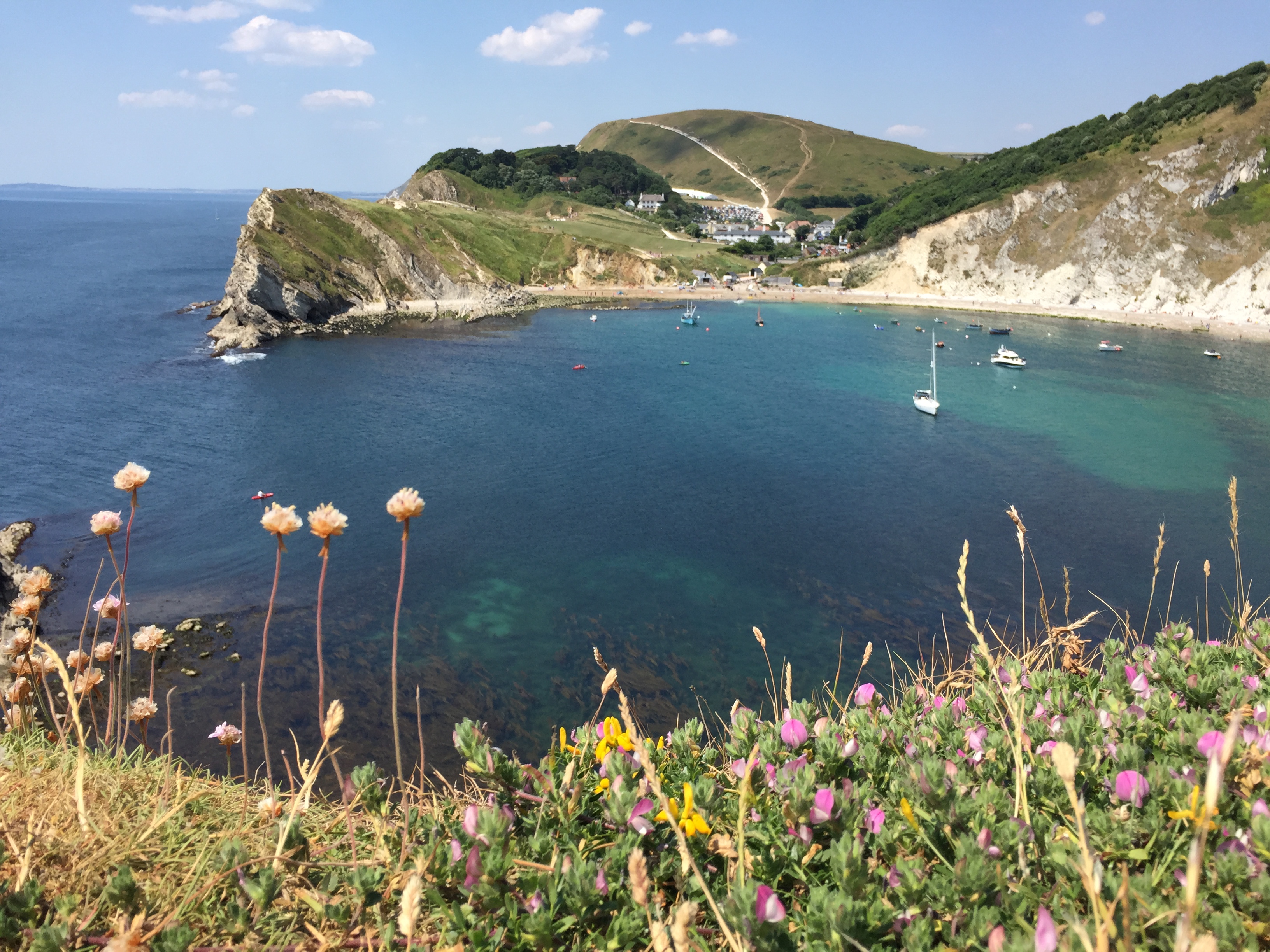
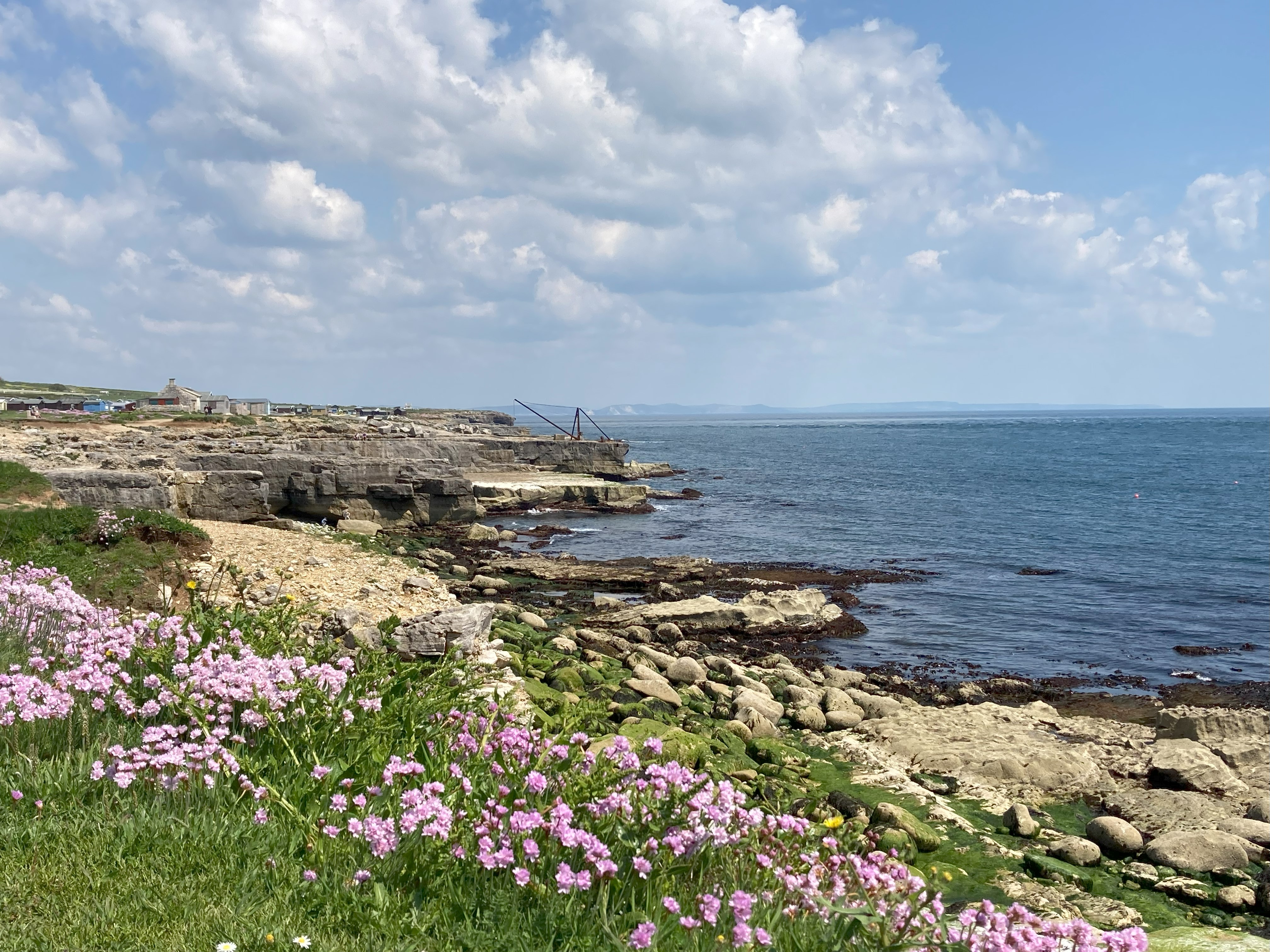
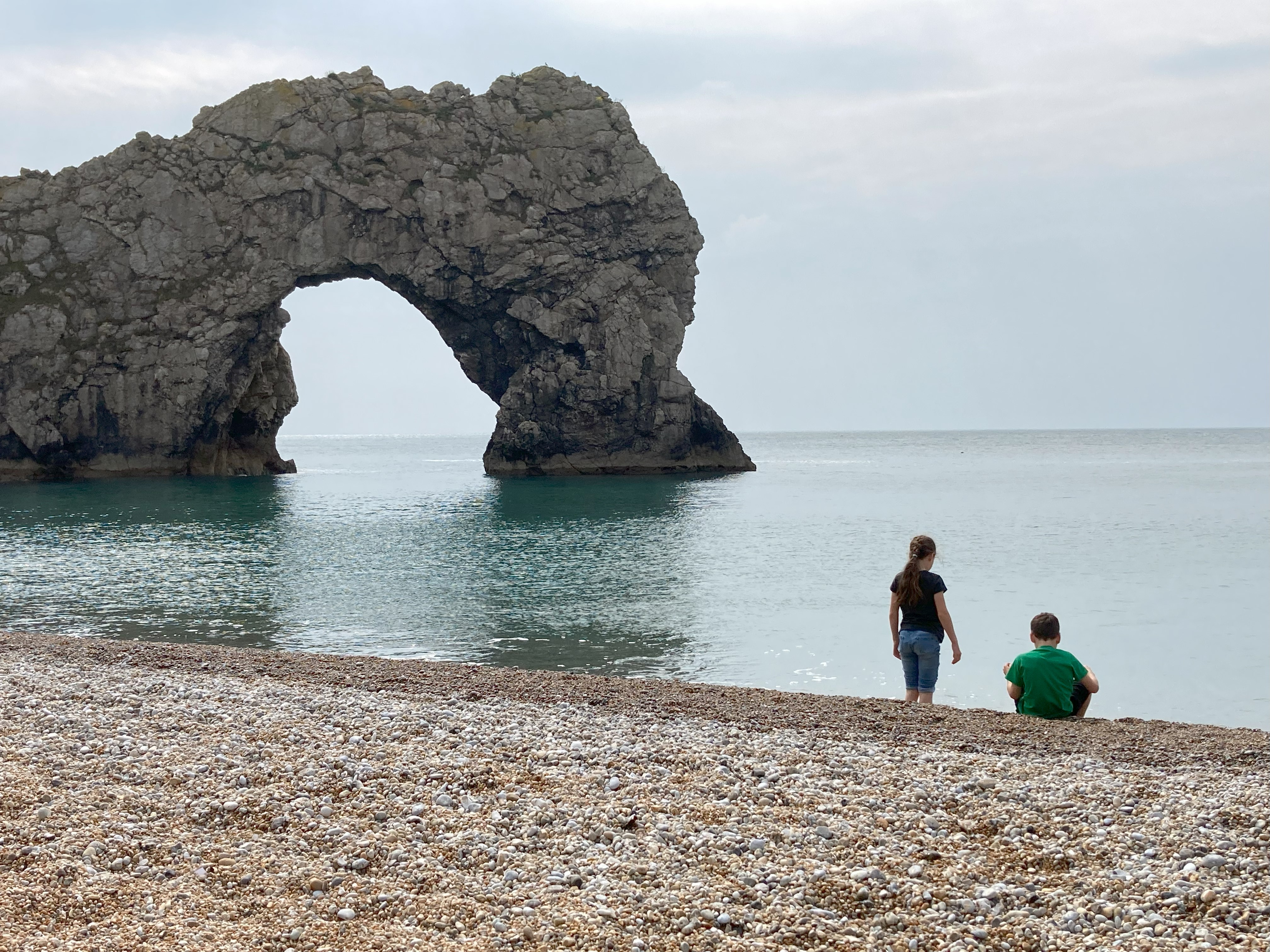
But it’s not just about the deep past. With such a surprising variety of rock types crammed into a relatively small area, the processes that shape the coastline have fashioned all manner of landforms. We have coves, caves, arches, stacks, headlands, bays, cliffs, tumbled coastal slopes, huge beaches, rockfalls, and any number of landslides. The Jurassic Coast has been described as an outdoor laboratory for the study of coastal systems, and thousands of geography students still descend upon the area each year.
Erosion – a dynamic element of the Jurassic Coast
The ongoing dynamic natural processes themselves, the ones that carve the cliffs and cause the landslides, are part of the story too. They are a facet of the coastal geomorphology that underpins the Site’s Outstanding Universal Value, but more than that they are the main driving force in conserving the World Heritage designation.
Erosion not only exposes the rocks and fossils but continually creates and shapes the coastal landscape. In this way it maintains all the features and characteristics that make the Jurassic Coast truly exceptional. It’s worth noting too that without ongoing erosion, the complex and valuable habitats and iconic natural beauty of the coast would fade and disappear as well. Erosion is a funny thing in that way. For most people it is associated with loss, damage, or danger, but for the Dorset and East Devon Coast erosion is generative and vital to its identity.
25 years as a World Heritage Site
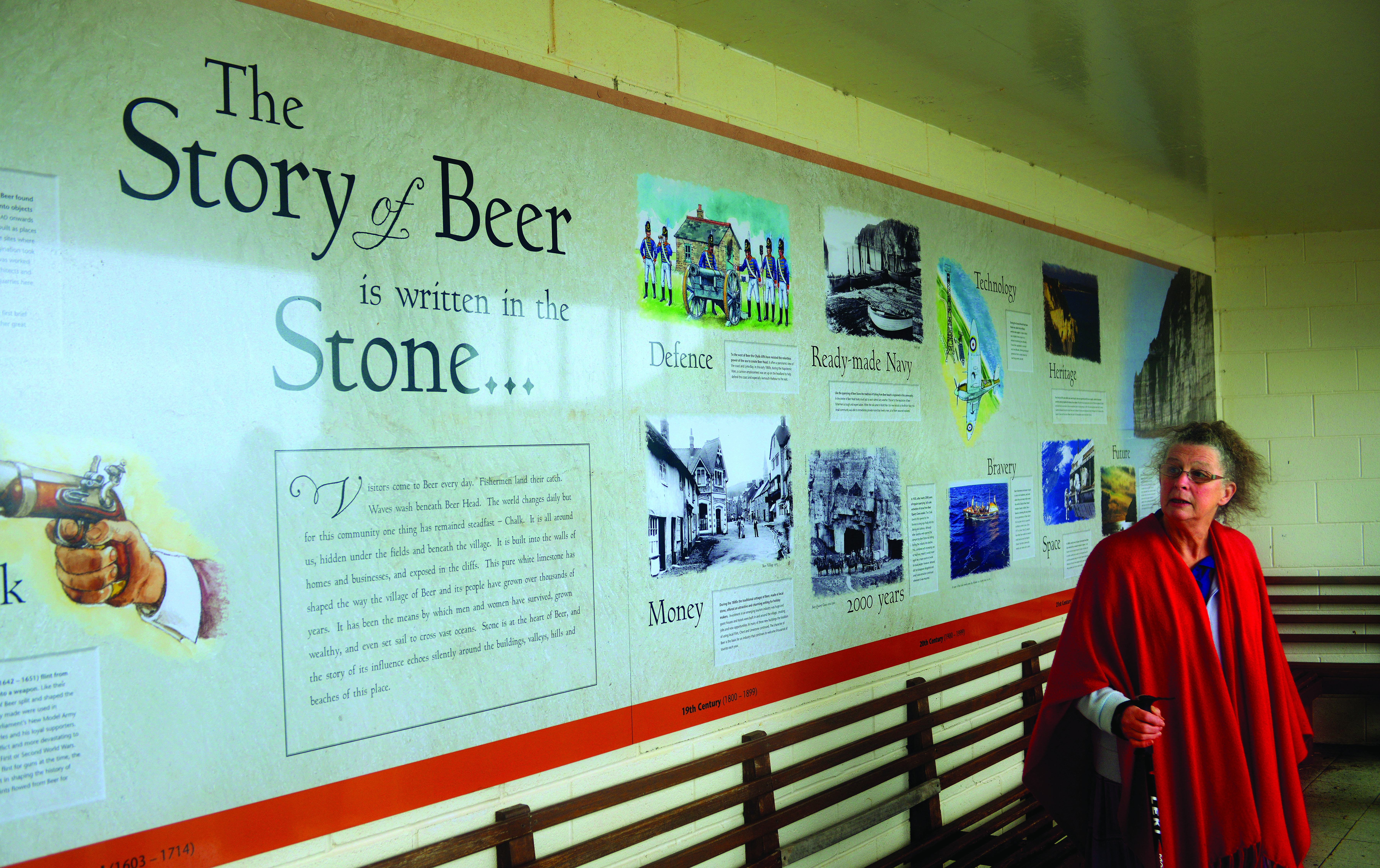
In the last 25 years people and organisations the length of the Jurassic Coast have done huge amounts of work to protect and celebrate its value. From exhibitions and festivals to award winning educational programmes and fossil discoveries, not a year has gone by without something remarkable happening. It would be hopeless to attempt even a highlights list, but almost all of it is linked in some way to the ever-changing nature of the coast itself. Whether it is rockfalls making the news and becoming a focus of research interest, a new species of fossil being discovered, or plans being made to manage coastal change sustainably, the opportunities for engagement, learning and action are a response to the way the coast is always revealing something new.
A natural World Heritage Site protecting geodiversity
Looking after the Jurassic Coast does come with its challenges, however. One potentially unexpected one comes from how society currently thinks about nature itself. The World Heritage designation rests on the coast’s geology, fossils and coastal landforms. It is a natural World Heritage Site. However, increasingly ‘nature’ is equated with wildlife and plants. So where does that leave the extraordinary geological diversity, or ‘geodiversity’ of the Jurassic Coast? If it is not nature, then what is it? The answer is that of course it is nature, but just not alive. The natural world is made up of both living and non-living elements, and the non-living parts are of the same fundamental importance as the living parts.
Climate Change impact on the Jurassic Coast
Climate change is the other key management challenge for the Jurassic Coast, but in a slightly oblique way. Because ongoing erosion is not itself damaging to the geological heritage of the coast, rising sea levels, and increased storms and rainfall are not a straightforward threat World Heritage Site. Instead, the threat comes from how people decide to respond to the impacts of climate change. For coastal communities the threats from climate change and sea level rise are very real, and one answer might be to build more coastal defences, but that kind of engineering could cover rock exposures and limit natural processes. That could damage the World Heritage Site. Finding a balance will be very difficult, but the unavoidable truth is that it is impossible to stop coastal change, we can only delay it. Longer term and sustainable adaptation will be crucial, and it would also be more sympathetic to the Jurassic Coast and most other highly valued aspects of the natural environment.
What is the future for the Jurassic Coast?
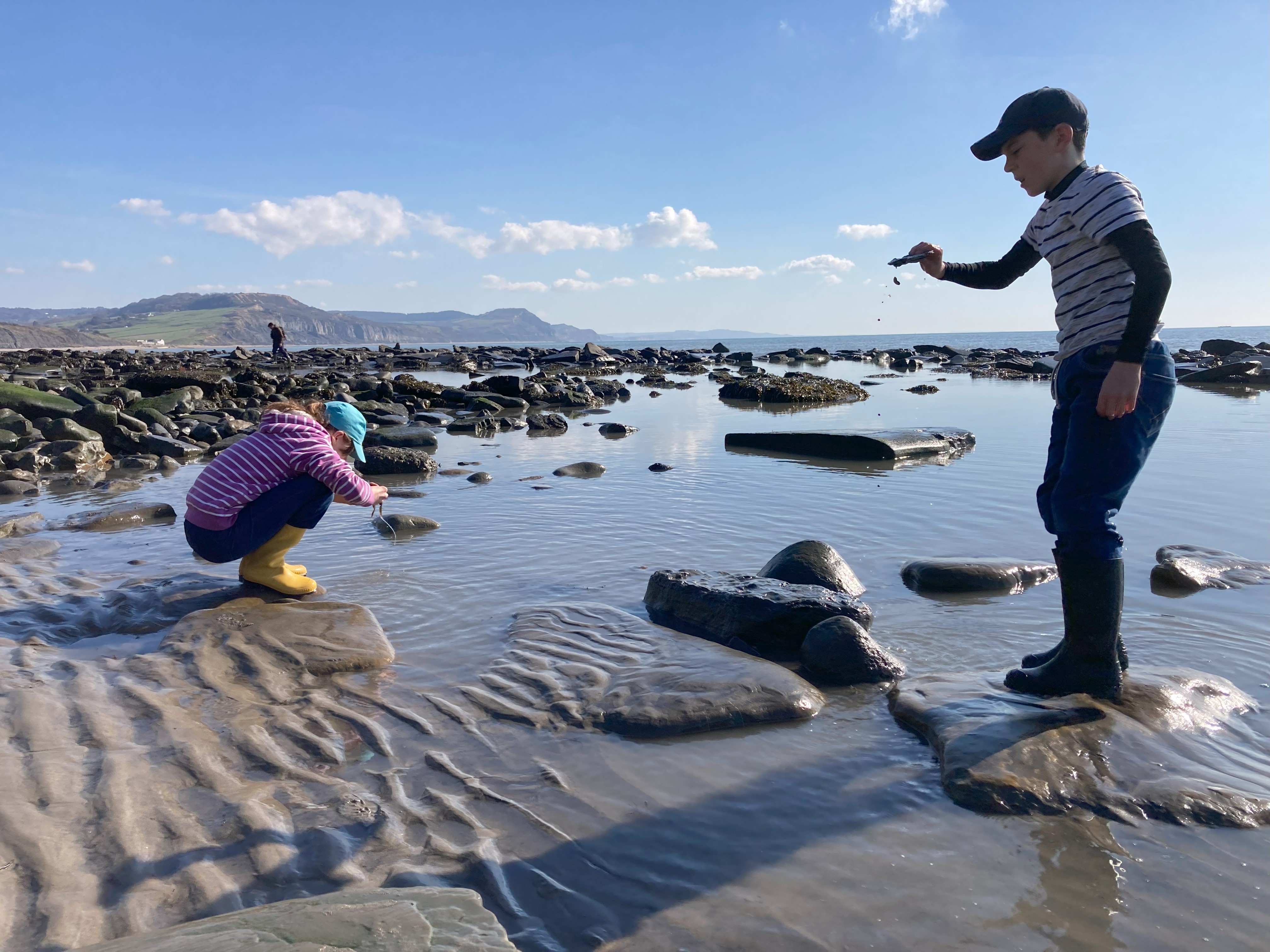
A number of people have asked me this year what the future holds for the Jurassic Coast. It might be easier to answer that by looking again at the past. For at least 200 years people have recognised that the rocks, fossils and coastal landscape of Dorset and East Devon are very special indeed. In a way, World Heritage status is just our current generation’s way of expressing that same sentiment. It means that we can be very confident that in fifty or a hundred years time, people will still want to celebrate this remarkable place, and I am hopeful that the brilliant rocks, the mind-boggling fossils, and the stupendous variety of coastal landforms will still be right at the heart of it all.
Exploring the Jurassic Coast on the South West Coast Path
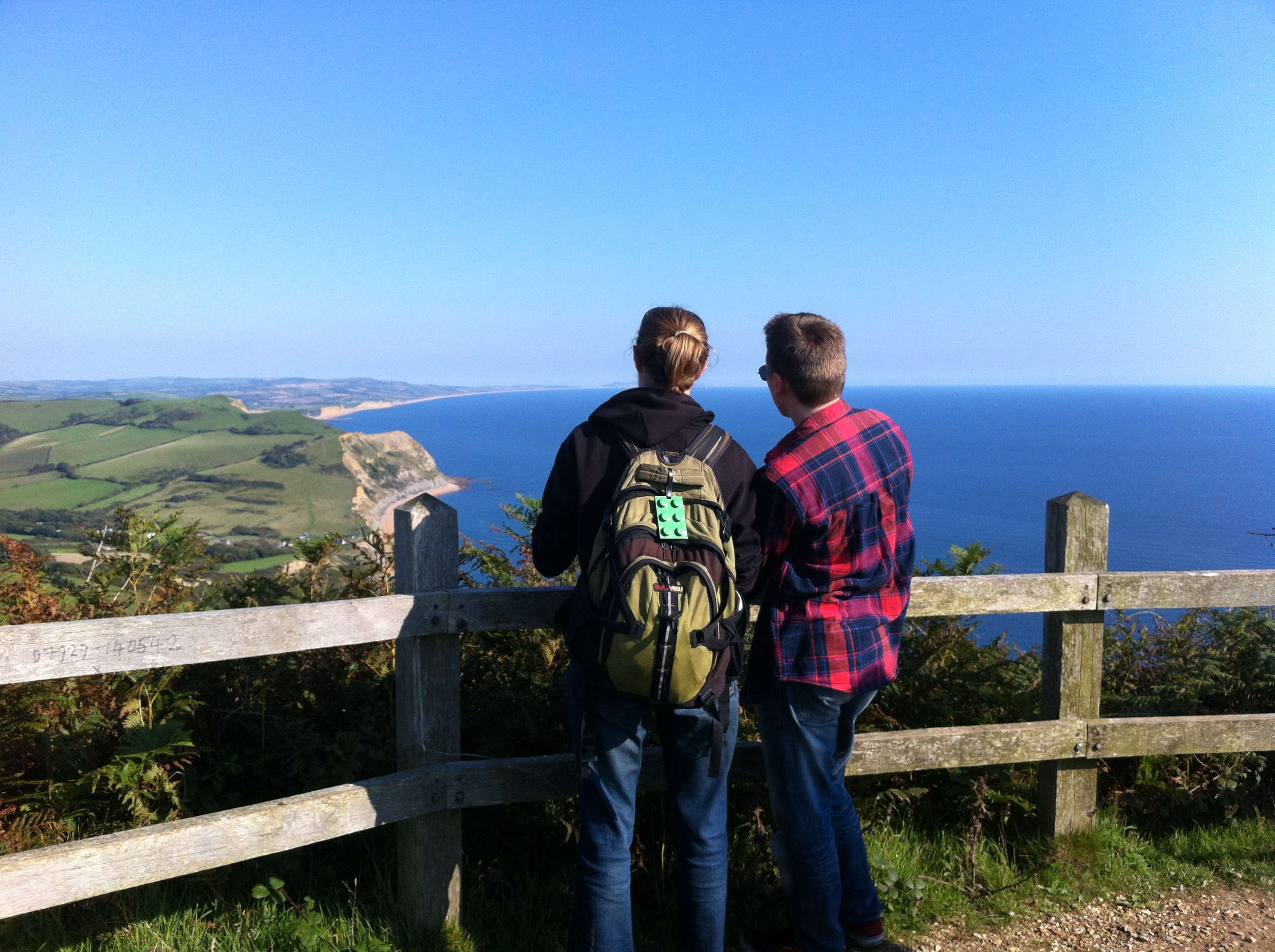
If you want to get out an explore the Jurassic Coast, then the South West Coast Path is one of the very best ways to see it. Not only does it take you through time as you traverse Triassic, Jurassic and Cretaceous geology, you get to actually feel the rocks through the shape and texture of the land – the crunch of pebbles, the sounds of waves, your breath and heartbeat rising as you tackle the slopes and hills carved out over millennia, all the while the landscape changing around you, mile by mile, as the geology shifts and rewrites the rules literally from the ground up. From clay vales to limestone plateaus, post-ice age beaches, and chalk downs, every part of the South West Coast Path along the Jurassic Coast is unique, shaped through time and from the very memory of the Earth. But don’t take my word for it… the only way to be sure is to get out there and see for yourself.
Article written by Sam Scriven
Principal Officer – World Heritage
Dorset Council
For further information on walking the South West Coast Path on the Jurassic Coast go to: The Jurassic Coast
 The South West Coast Path